
Roam the Wild Streets
Gallery of Extinct Animals
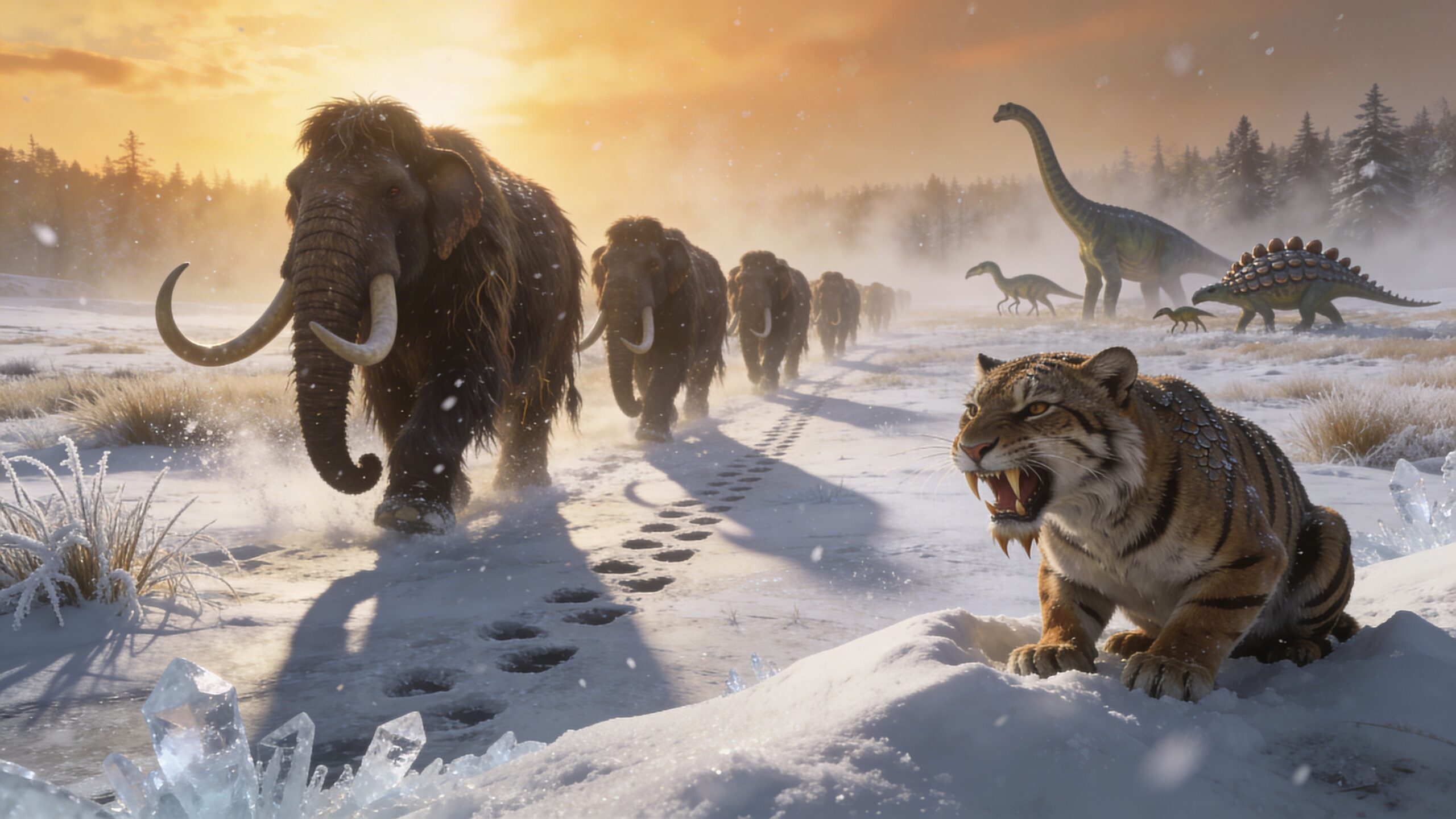
Extinct animals occupied worlds separated by geography and deep time. Dinosaurs, mammoths and saber-toothed cats belong to different branches of animal history, not one prehistoric community. Fossils preserve parts of their bodies and traces of their activity, while reconstructions explore how those animals may have appeared alive. Bones, teeth, tracks and exceptional soft-tissue remains each contribute a different piece of the story.
Read About Extinct Life


Extinct Animal Product Reviews
Explore extinct animal product review subjects, from books and documentaries to fossil replicas, skeletal models, figures, and themed gifts. Individual reviews are not currently listed. Related links lead to extinct animal information, dinosaurs, an image gallery, and other animal review categories.
Extinct Animals
Extinct animals range from fossil dinosaurs to species lost in recorded history. Their remains reveal vanished ecosystems, different causes of extinction and the distinction between a missing population and a lost species.