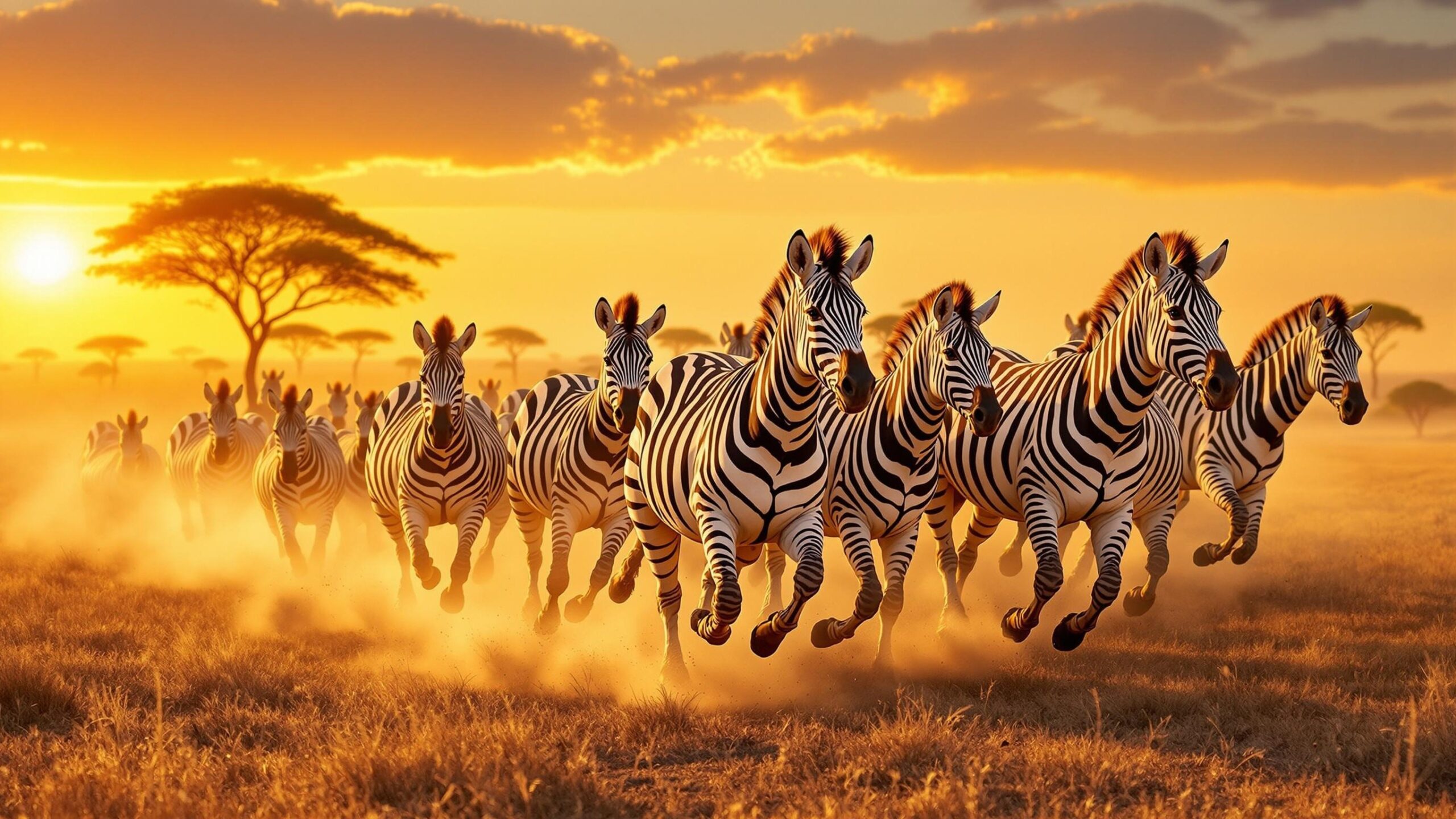
Land Mammals Gallery

Land mammals live in grasslands, forests, deserts and mountains. Zebras feed mainly on grasses, elephants eat grasses, leaves and bark, and big cats hunt other animals. Bears walk on broad paws, while many primates climb using grasping hands and feet. Some species live in herds or family groups; others spend much of their adult lives alone.

Explore Land Mammals

Bears

Bears

Bears range from Arctic seal hunters to tropical insect foragers and bamboo specialists. The eight living species share powerful bodies and prolonged maternal care, yet differ in feeding tools, habitats and seasonal routines. Their conservation needs reflect both these biological differences and the ways people change their landscapes.

Read More
Big Cats

Big Cats

Big cats inhabit Africa, Asia and the Americas, from lion savannas to snow leopard mountains. This broad grouping includes cheetahs and pumas outside Panthera, plus two clouded leopard species. Shared hunting equipment supports contrasting lives, and even Panthera includes a non-roaring member: the snow leopard.

Read More
Elephants

Elephants

Elephants include African savanna, African forest and Asian species, with different habitats and feeding patterns. Their trunks gather food and water, and calves depend on prolonged care. Tusks vary with species, sex and population. Seed dispersal and vegetation disturbance give elephants far-reaching ecological effects.

Read More
Hoofed Mammals

Hoofed Mammals

Hoofed mammals include grazing horses, leaf-browsing giraffes, omnivorous pigs and semiaquatic hippos. Their varied feet and digestive systems support lives in forests, deserts, mountains and grasslands. Some migrate in herds; others live largely alone. Wild species, domestic animals, feral populations and hybrids face different human relationships and conservation concerns.

Read More
Primates

Primates

Primates include humans alongside lemurs, lorises, tarsiers, monkeys and other apes. Their anatomy supports nocturnal hunting, grass plucking and canopy feeding, with differences in vision, digestion and movement. Some forage alone, others form families or larger groups; reproductive schedules range from common twins in Geoffroy’s marmosets to prolonged orangutan dependency.

Read More

Land mammals range from powerful grazers to agile climbers and ground-level hunters. Their differences extend beyond coats: a trunk, a paw, a hoof or a grasping hand reveals another part of the extraordinary variety within this animal group.