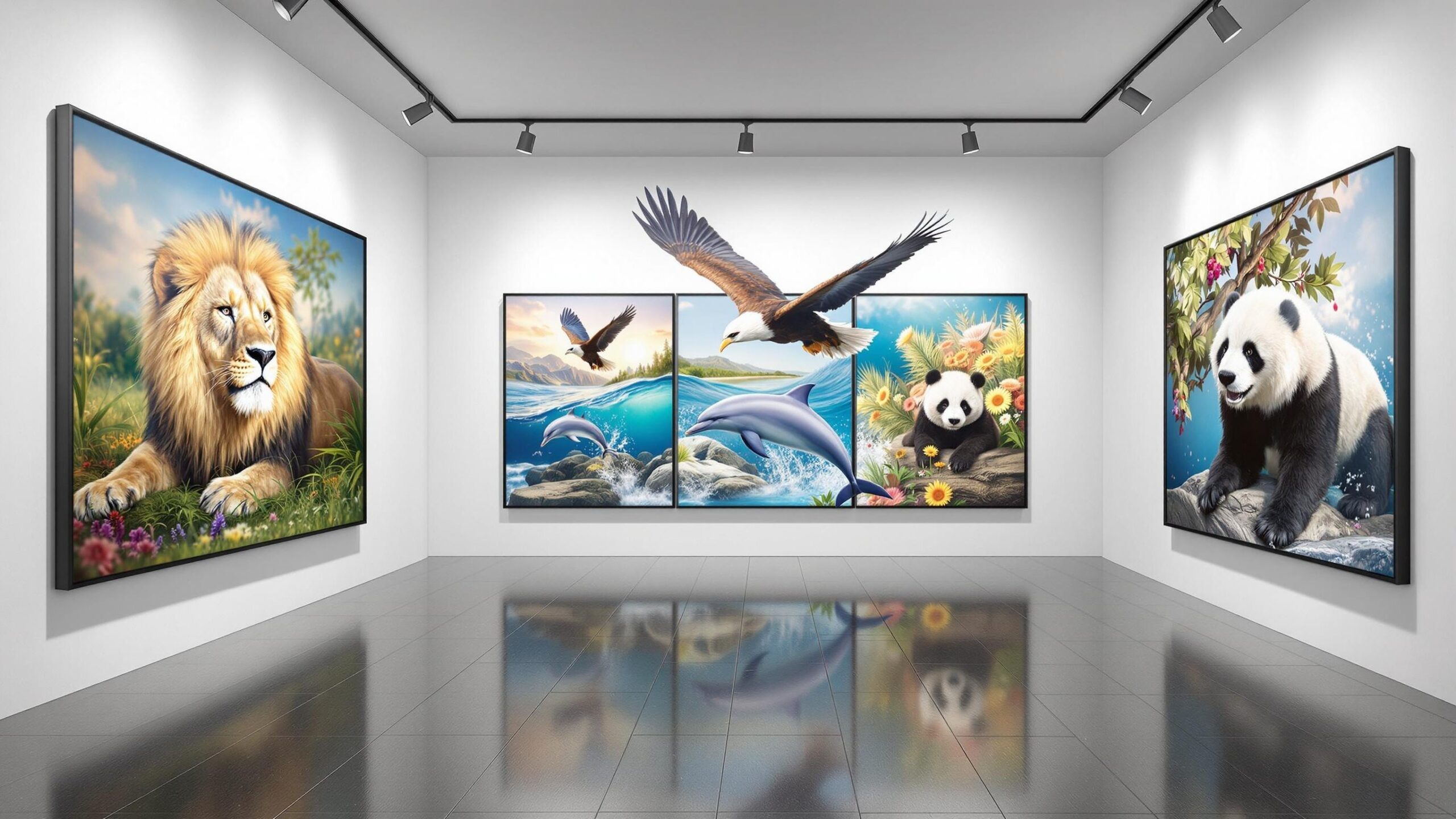
Welcome to Animal Galleries—your front-row ticket to the most breathtaking, awe-inspiring visual celebration of wildlife on the planet! This is where fur, feathers, scales, and splashes come to life in stunning detail, inviting you to see the animal kingdom in ways you’ve never imagined. From majestic lions striding across golden savannahs to microscopic marvels of the insect world, our galleries capture the beauty, diversity, and raw power of nature with every frame. Whether you’re an animal lover, a photography fanatic, or simply someone who’s fascinated by the wonders of the wild, these galleries are designed to ignite your imagination and deepen your connection to the creatures that share our world. Each collection is curated with heart and artistry—spotlighting not just the animals themselves, but the emotions, moments, and environments that define them. So, dive in and explore vivid portraits, epic landscapes, and rare glimpses into wildlife behavior. Let your eyes wander, your mind marvel, and your spirit soar. The wild world is waiting—one gallery at a time. Get ready to see the wild like never before!
1. Animal Galleries is easiest to understand by connecting body shape, movement, habitat, diet, and daily behavior.
2. Field recognition begins with size, outline, posture, markings, and the setting where the animal appears.
3. Habitat details help separate natural behavior from zoo, rescue, farm, or private-care conditions.
4. Diet, teeth, flight, limbs, or feeding posture reveal how the animal fits into its food web.
5. Conservation context is strongest when it connects threats to the animal’s real range and ecology.
1. Animal Galleries belongs to Animalia and is described through anatomy, reproduction, behavior, and habitat.
2. Classification helps readers compare it with relatives that share similar body plans or ecological roles.
3. The most useful taxonomy details are the ones that explain a visible or behavioral difference.
4. Related pages can clarify where this animal sits among close relatives, broader groups, and lookalikes.
5. Common names can vary, so scientific identity and physical traits keep the profile steady.
1. Movement often reveals clues that still images hide, including flight style, gait, posture, or escape behavior.
2. Young animals can differ from adults in size, color, pattern, diet, habitat use, or risk from predators.
3. Seasonal changes can affect activity, breeding, migration, coat condition, food availability, or social behavior.
4. Tracks, feeding marks, roosts, nests, calls, or scent cues can reveal presence even when the animal is hard to see.
5. The surrounding habitat usually explains why the animal looks and behaves the way it does.
Q: What is the fastest way to recognize Animal Galleries? A: Start with body outline, size, markings, movement, and habitat, then compare close relatives.
Q: What does Animal Galleries eat? A: Diet depends on the species or group, but feeding anatomy and habitat usually reveal the main strategy.
Q: Is Animal Galleries important to its ecosystem? A: Yes. Every animal affects food webs, habitat structure, competition, nutrient movement, or predator-prey relationships.
Q: Can Animal Galleries be kept by people? A: Care depends on law, welfare needs, space, diet, social behavior, and expert veterinary oversight.
Q: Why compare Animal Galleries with nearby pages? A: Comparison helps separate shared traits from details that make the animal distinct.