
The Eastern Newt, scientifically known as Notophthalmus viridescens, is one of North America’s most fascinating amphibians, not because of its size but because of its complex and highly unusual life cycle. Found throughout eastern regions of the United States and parts of Canada, this small salamander has become a quiet icon of woodland ponds, wetlands, and forest ecosystems. Its presence often goes unnoticed, yet it plays a meaningful role in maintaining ecological balance. What makes the Eastern Newt especially intriguing is how dramatically it changes over the course of its life, both in appearance and behavior. Unlike many amphibians that follow a straightforward path from larva to adult, the Eastern Newt undergoes multiple transformations that feel almost like separate lives. Each stage serves a unique purpose, allowing the animal to adapt to different environments and survive various challenges. This adaptability is one reason the species has remained widespread and relatively resilient. Despite its modest size, the Eastern Newt tells a story of survival, flexibility, and quiet persistence in the natural world.
A: A small amphibian with a three-stage life cycle found in eastern North America.
A: No, their toxins are mild and primarily deter predators.
A: The color warns predators that they are toxic.
A: In ponds, lakes, wetlands, and nearby forests.
A: Insects, worms, and small aquatic organisms.
A: Yes, they can regrow limbs and some tissues.
A: Often 10 to 15 years in the wild.
A: No, they have both aquatic and terrestrial stages.
A: Yes, but they depend on healthy habitats.
A: They help maintain balance in ecosystems and indicate environmental health.
The Three Lives of a Single Creature
Few animals experience such dramatic life transitions as the Eastern Newt, which passes through three distinct stages: aquatic larva, terrestrial juvenile, and aquatic adult. The journey begins in water, where larvae hatch with feathery external gills and a streamlined body designed for swimming. At this stage, they resemble tiny fish more than salamanders, and they rely on aquatic vegetation and shelter to avoid predators. As they grow, they feed on small invertebrates and begin preparing for a major transformation.
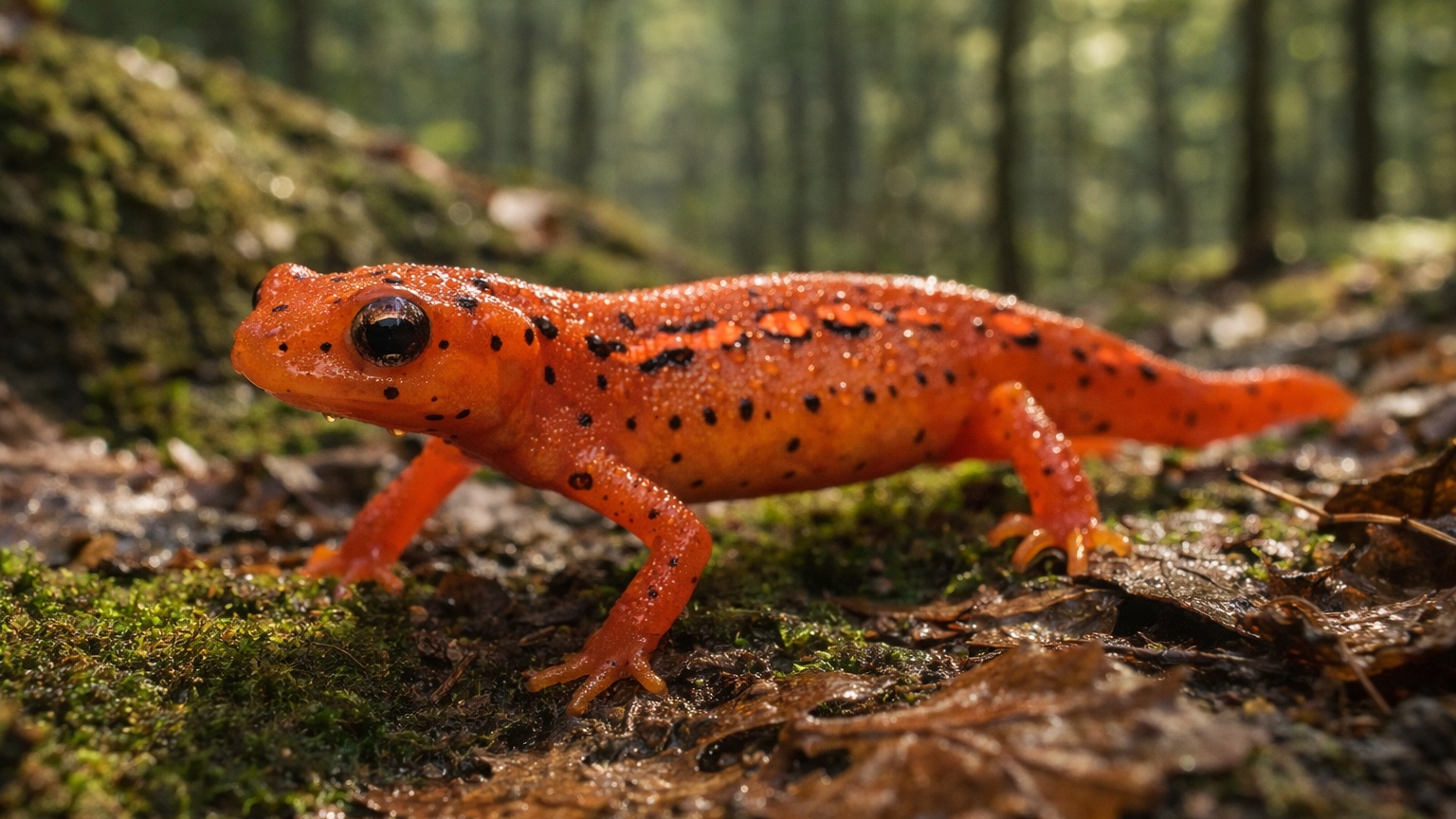
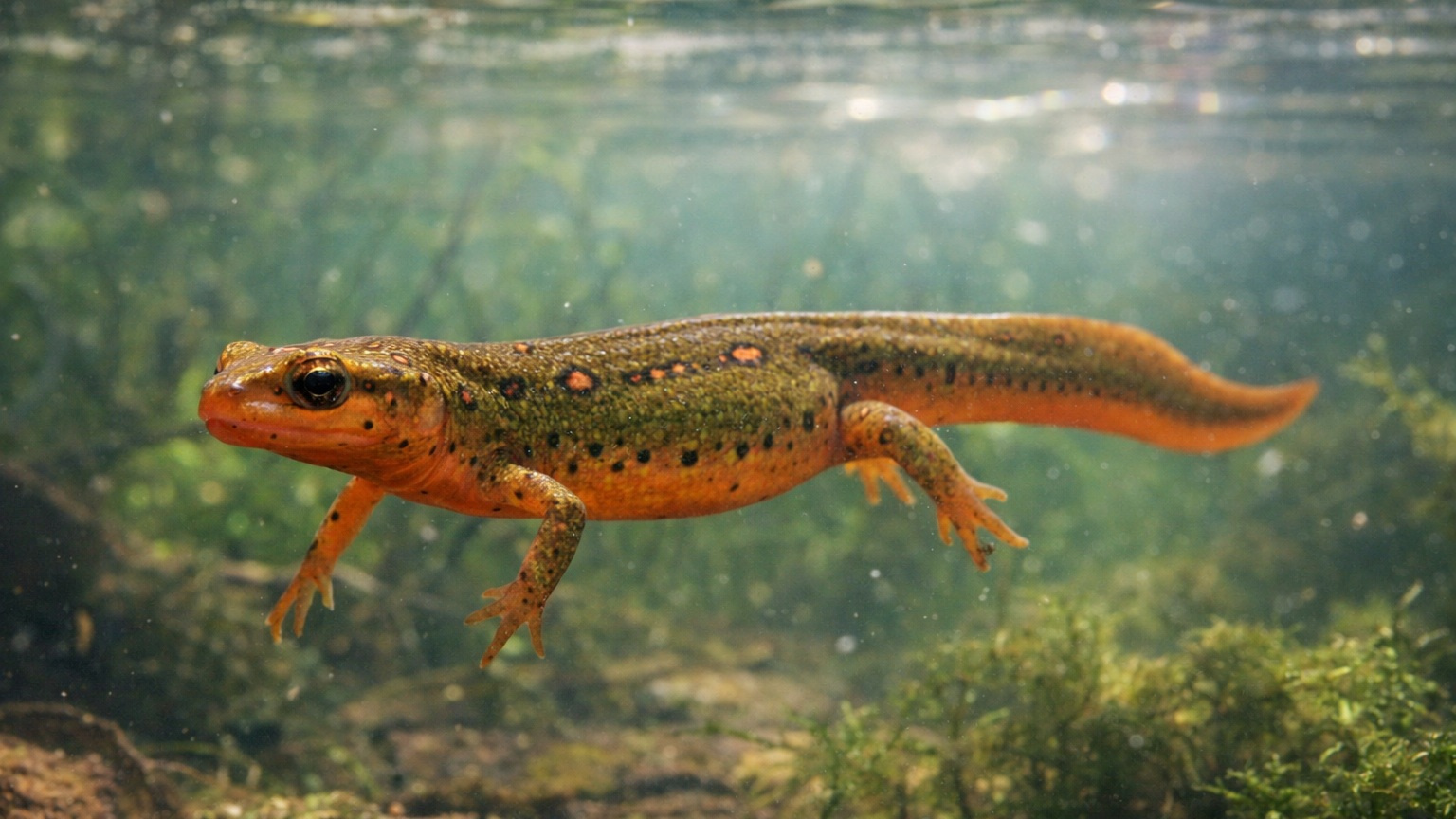
The second stage, known as the red eft phase, is perhaps the most recognizable. During this period, the newt leaves the water and becomes a bright orange or reddish color, often dotted with black-bordered spots. This stage can last several years, during which the newt lives on land, exploring forest floors and moist habitats. Eventually, the eft returns to water and transforms again into an adult, adopting a more subdued olive-green coloration and a flattened tail suited for swimming. Each stage is not just a physical change but a shift in lifestyle, diet, and behavior.
Where Eastern Newts Call Home
Eastern Newts are widely distributed across the eastern half of North America, thriving in a variety of habitats that include ponds, lakes, marshes, and slow-moving streams. They prefer environments with abundant vegetation, as plants provide both food sources and protection from predators. Forested areas near water are particularly important during the eft stage, as these juveniles rely on damp conditions to keep their skin moist. Seasonal changes often influence where newts can be found, with wetter conditions encouraging movement and activity. The adaptability of the Eastern Newt allows it to occupy both aquatic and terrestrial environments successfully. This dual lifestyle means it can take advantage of different resources while avoiding overcrowding in a single habitat. However, clean water is essential for their survival, especially during the larval and adult stages. Even slight changes in water quality can affect their health, making them useful indicators of environmental conditions in their ecosystems.
Coloration That Tells a Story
One of the most striking features of the Eastern Newt is its coloration, which changes dramatically throughout its life. The bright red or orange hue of the eft stage is not just visually appealing but serves as a warning to potential predators. This coloration signals that the newt is toxic, discouraging animals from attempting to eat it. The toxin, produced in its skin, is not deadly to most predators but is unpleasant enough to provide effective protection.
As the newt matures into adulthood, its coloration becomes more subdued, shifting to shades of green or brown that blend seamlessly with aquatic environments. This camouflage helps the adult avoid detection while hunting or resting in shallow waters. The contrast between the bold eft stage and the subtle adult form highlights the newt’s ability to adapt its appearance to different environments. These changes are not random but are finely tuned survival strategies shaped by evolution.
Diet and Feeding Habits
Eastern Newts are opportunistic feeders, meaning they consume a wide variety of small prey depending on their life stage and environment. Larvae primarily feed on tiny aquatic organisms such as plankton and insect larvae, using their small mouths to capture food in the water. As they grow, their diet expands to include larger invertebrates, providing the nutrients needed for development. This gradual shift in diet reflects their changing physical capabilities and habitat. During the eft stage, newts hunt on land, feeding on insects, worms, and other small creatures found in moist forest environments. Their slow, deliberate movements help them approach prey without detection. As adults, they return to the water and resume an aquatic diet, often consuming small crustaceans, insect larvae, and other organisms found in ponds and streams. This flexibility in feeding behavior allows the Eastern Newt to thrive in diverse conditions and maintain a steady energy supply throughout its life.
Behavior and Daily Life
Eastern Newts are generally solitary animals, though they may share habitats with others of their species without direct interaction. Their behavior is often influenced by environmental conditions, with moisture playing a key role in determining activity levels. During dry periods, newts may seek shelter under logs, rocks, or leaf litter to prevent dehydration. In wetter conditions, they become more active, exploring their surroundings in search of food and suitable habitat.
Despite their small size, Eastern Newts are surprisingly resilient and capable of navigating complex environments. The eft stage, in particular, is known for its wandering behavior, with individuals sometimes traveling significant distances across land. This movement helps them disperse to new habitats, reducing competition and increasing genetic diversity within populations. Their quiet, unassuming lifestyle may go unnoticed, but it is finely tuned to the rhythms of their environment.
Reproduction and Life Cycle Continuation
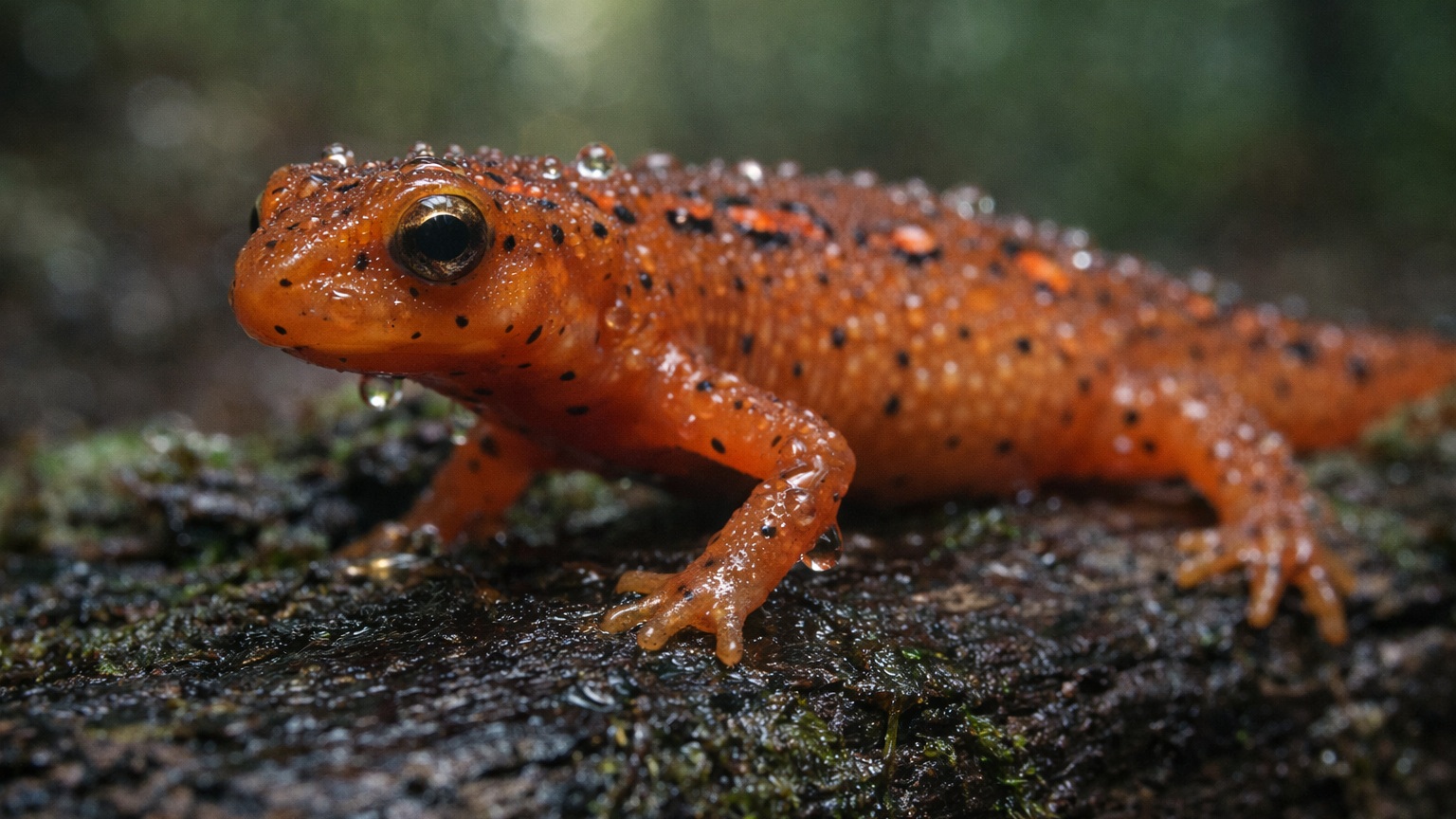
Reproduction in Eastern Newts typically occurs in aquatic environments, where adults gather during breeding seasons. Males perform subtle courtship behaviors, often involving gentle nudges and displays to attract females. Once mating occurs, females lay eggs individually on aquatic plants, ensuring that each egg is protected and well-positioned for development. This careful placement increases the chances of survival for the next generation. The eggs hatch into larvae, beginning the cycle anew. This process highlights the importance of stable aquatic habitats, as both eggs and larvae are sensitive to environmental changes. The extended life cycle, which can span several years, allows Eastern Newts to adapt to varying conditions and maintain stable populations over time. Their reproductive strategy emphasizes quality and survival rather than sheer quantity.
Defense Mechanisms and Survival Strategies
The Eastern Newt relies on a combination of chemical and behavioral defenses to avoid predation. Its toxic skin is one of its most effective tools, deterring many potential predators before an attack even begins. The bright coloration of the eft stage serves as a clear warning, reducing the likelihood of being targeted. This strategy, known as aposematism, is common among animals that possess chemical defenses.
In addition to toxicity, Eastern Newts use their environment to stay safe. They often remain hidden among vegetation or debris, minimizing exposure to threats. Their slow movements and ability to remain still for extended periods also help them avoid detection. While they may not appear particularly fast or aggressive, their survival strategies are highly effective in the ecosystems they inhabit.
The Role of Eastern Newts in Ecosystems
Eastern Newts play an important role in the ecosystems they inhabit, acting as both predators and prey. By feeding on insects and other small organisms, they help regulate populations and maintain ecological balance. At the same time, they serve as a food source for larger animals, including birds, fish, and mammals. This dual role places them at a key point in the food web. Their sensitivity to environmental changes also makes them valuable indicators of ecosystem health. Declines in newt populations can signal problems such as pollution, habitat loss, or changes in water quality. By observing these patterns, scientists and conservationists can gain insights into broader environmental issues. The presence of Eastern Newts often reflects a healthy, functioning ecosystem.
Quiet Conservation Considerations
While Eastern Newts are not currently among the most endangered species, they still face challenges that can affect their populations over time. Habitat loss, pollution, and climate-related changes can all impact the environments they depend on. Wetlands, in particular, are vulnerable to human activity, and the loss of these habitats can reduce available breeding and living spaces.
Conservation efforts for Eastern Newts often focus on protecting habitats and maintaining water quality rather than direct intervention. Preserving natural landscapes and reducing pollution can go a long way in supporting their populations. By maintaining the environments they rely on, it is possible to ensure that these small but significant amphibians continue to thrive without requiring dramatic conservation measures.
A Subtle but Extraordinary Amphibian
The Eastern Newt may not command attention like larger or more colorful animals, but its life story is one of the most remarkable in the amphibian world. From its aquatic beginnings to its bright terrestrial phase and eventual return to water, it embodies adaptability and resilience. Each stage of its life offers a glimpse into the complexity of natural systems and the ways in which organisms evolve to meet challenges. For general readers, the Eastern Newt provides an accessible introduction to the wonders of amphibian biology and ecology. Its presence in familiar landscapes makes it a relatable and engaging subject, while its unique characteristics offer plenty of opportunities for discovery. In the quiet corners of ponds and forests, this small amphibian continues to thrive, reminding us that even the most unassuming creatures can hold extraordinary stories.
Animal Product Reviews
Dive into Animal Streets’ Animal Product Reviews — your guide to the best gear, gifts, books, and gadgets inspired by the animal kingdom. From land-roaming lions to ocean-gliding whales, from household pets to prehistoric giants, we explore top-rated products for enthusiasts, educators, and animal lovers alike. Whether you’re shopping for toys, decor, field gear, or fun collectibles, we’ve sniffed out the best so you can discover it all in one wild place!