
Lions: Social Big Cats Of Open Country
Lions are large cats with a public image almost as loud as their roar, but the real animal is more interesting than the legend. A lion is a social predator shaped by open country, cooperative living, powerful bodies, and the constant balance between prey, territory, and human pressure.
How To Recognize A Lion
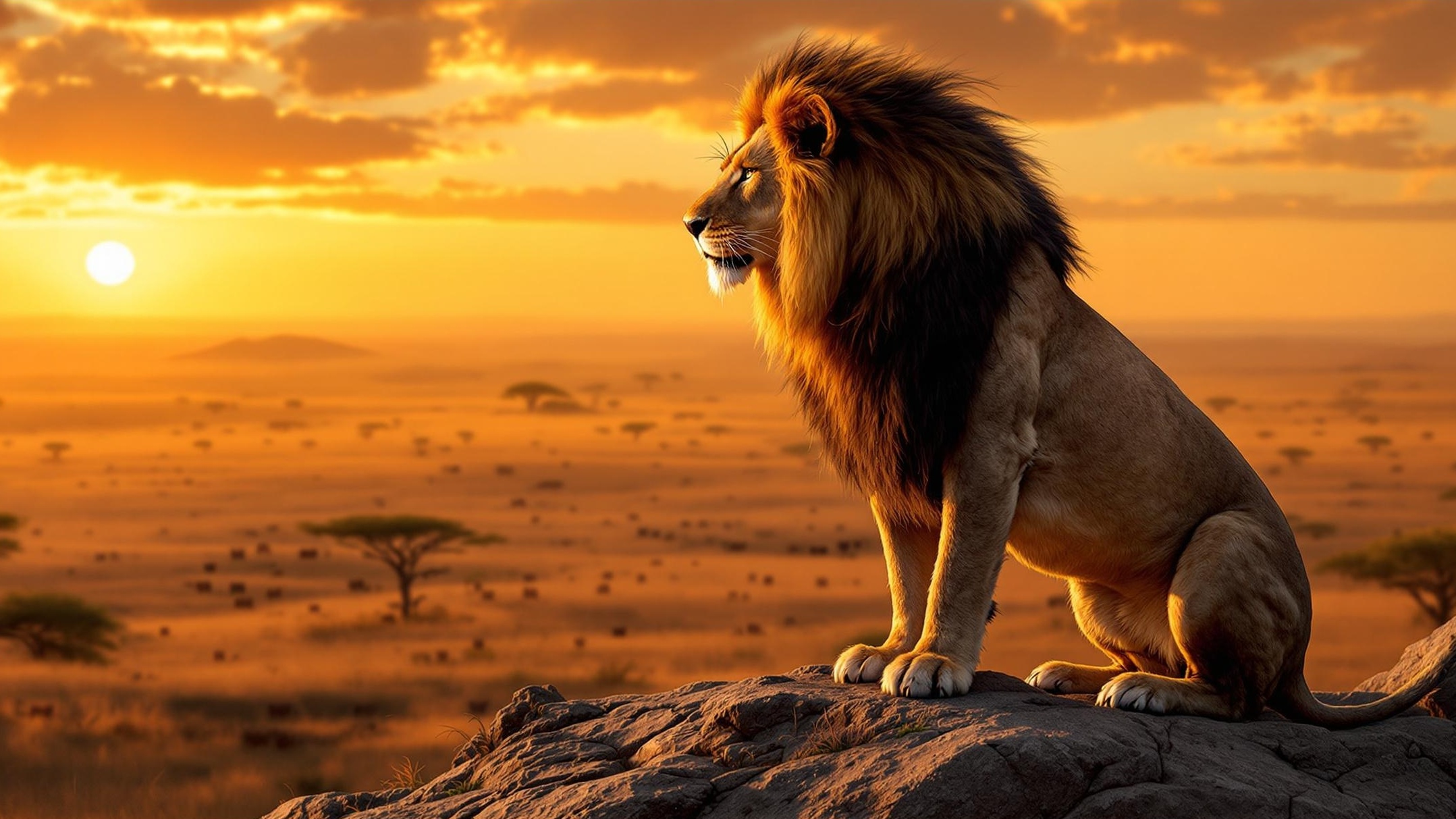
A lion is a powerfully built cat with a broad head, tawny coat, muscular shoulders, and a tail ending in a dark tuft. Adult males are usually larger than females and often carry a mane around the head, neck, and chest. That mane is not identical in every lion; it can vary in size, color, and fullness.
Lions are sometimes described as “king of the jungle,” but that phrase can mislead readers. Their classic habitat is more open: savannas, grasslands, brush, and open woodland where prey animals can feed and lions can stalk with cover.
Habitat And Range
Modern wild lions are mostly associated with sub-Saharan Africa, with an important Asiatic lion population in India. They need large areas with prey, water, cover for hunting and denning, and enough separation from livestock conflict. San Diego Zoo notes that prime lion habitat includes open woodland, thick grassland, and brush habitat.
Protected areas are essential, but lions do not understand park borders. Movement between prides and between protected landscapes can be limited by roads, farms, fences, settlement, and conflict with people.
Prides And Social Life
Lions stand out among cats because they often live in prides. A pride usually includes related females, their cubs, and a small number of adult males. Females may remain with relatives for much of their lives, while males often leave, form coalitions, and compete for access to prides.
This social life shapes hunting, cub care, territory defense, and communication. Roaring, scent marking, rubbing, grooming, and resting together all help maintain the pride’s presence and relationships.
Diet And Hunting
Lions are apex predators, but they are also practical carnivores. They hunt antelope, zebra, wildebeest, buffalo, and other mammals when available, and they may also scavenge or take kills from other predators. Hunting often happens at night, dusk, or dawn, when cooler temperatures and low light favor a stalking predator.
Lionesses frequently do much of the hunting, though males can be powerful hunters too, especially when taking large prey or defending a carcass. A lion’s success depends not only on speed, but on approach, cover, timing, teamwork, and prey condition.
Cubs And Reproduction
Lion cubs are born small and dependent. Mothers hide young cubs at first, then gradually bring them into pride life. Cubs nurse, play, learn social rules, and eventually practice the movements that become adult hunting behavior.
Cub survival can be difficult. Food shortages, disease, rival males, hyenas, and pride disruption can all affect young lions. Stable prides and healthy prey populations give cubs a better chance.
Conservation
The IUCN Red List assesses the lion as Vulnerable. The major threats include habitat loss, prey decline, and killing related to protecting people or livestock. The global label can hide sharp regional differences: some better-managed populations have held steadier, while many others have declined.
Useful lion conservation is not only about drawing a park boundary. It also includes prey recovery, livestock protection, local benefits from wildlife, anti-poaching work, and practical ways for people and lions to share landscapes with less danger on both sides.
Similar Big Cats
Lions are most likely to be compared with tigers, leopards, jaguars, and cougars. Tigers are usually solitary and striped. Leopards and jaguars are rosette-marked ambush cats. Cougars are not in Panthera and cannot roar in the same way. Lions are best separated by their social pride structure, tufted tail, tawny coat, and, in many adult males, the mane.
Quick Facts About Lions
- Scientific name: Panthera leo.
- Family: Felidae.
- Habitat: Grassland, savanna, open woodland, brush, and protected reserves.
- Diet: Mainly medium to large mammals; also scavenges.
- Social unit: Pride, often centered on related females.
- Conservation status: Vulnerable globally on the IUCN Red List.
- Main threats: Habitat loss, prey depletion, and conflict-related killing.
Sources
- IUCN Red List. Panthera leo.
- San Diego Zoo Animals & Plants. Lion.
- San Diego Zoo Wildlife Alliance. African Lion.
- IUCN Cat Specialist Group. Living Species – Lion.