
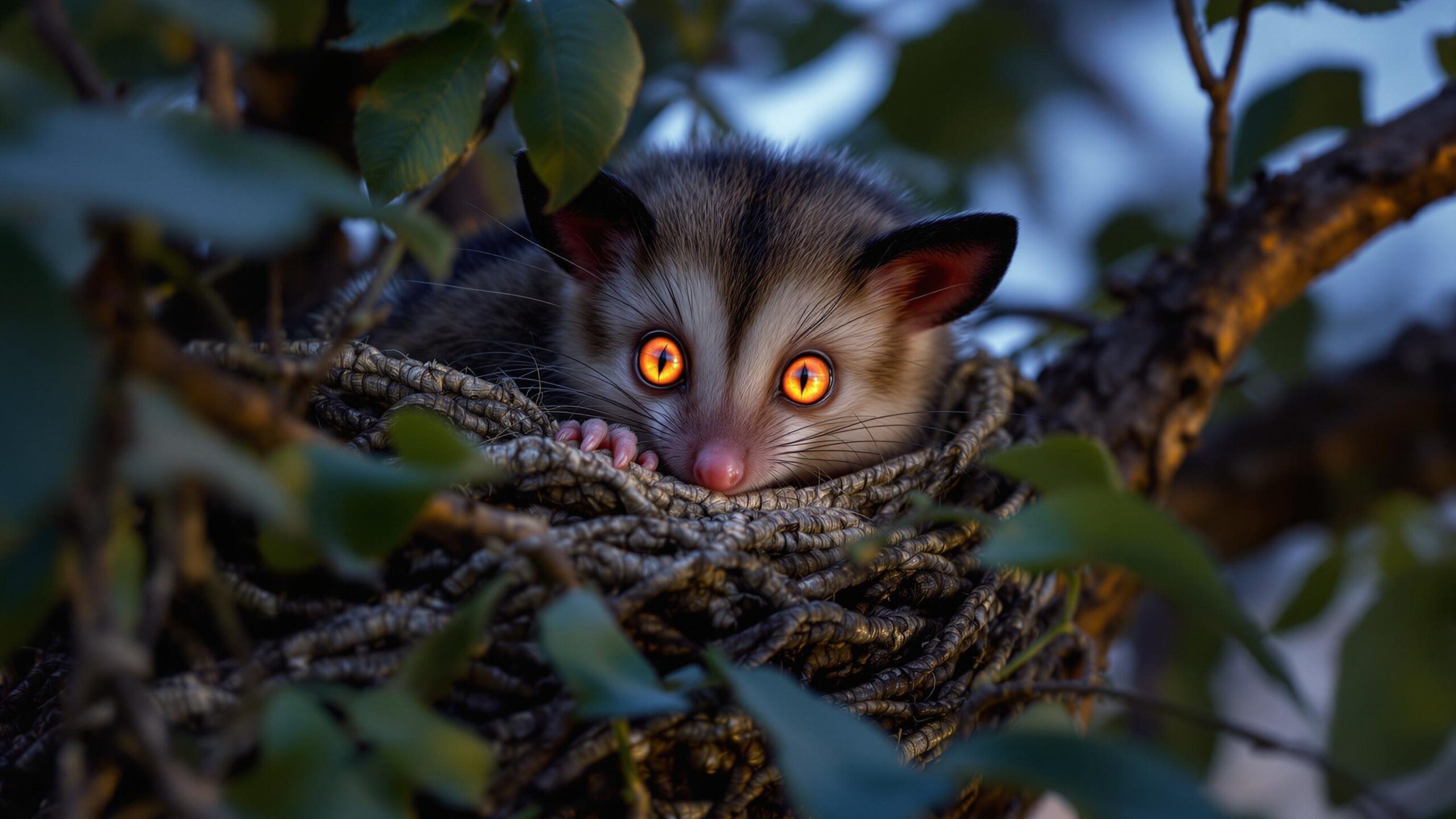
Possums: The Nocturnal Navigators of Forest Canopies and Backyard Shadows
As dusk falls over forests, gardens, and suburban rooftops, a new cast of creatures silently takes the stage. Among the most agile and adaptable are the possums—furry, wide-eyed marsupials that glide, climb, and scamper under cover of darkness. Known for their tree-dwelling agility and omnivorous curiosity, possums occupy a fascinating niche across Australia, New Guinea, and nearby islands. These animals are not just masters of nightfall; they are critical components of the ecosystems they inhabit. Though sometimes confused with the opossums of North America, true possums belong to an entirely different branch of the marsupial family tree—one rooted firmly in the Southern Hemisphere. This in-depth article explores the category of possums, diving into their evolutionary roots, biological traits, and ecological roles. It also introduces the major sub-categories within the possum family, each with its own adaptations, behaviors, and importance. From the gliding sugar glider to the elusive striped possum, these creatures remind us that the night is very much alive—and worth exploring.
Taxonomy And Identity
Though sometimes confused with the opossums of North America, true possums belong to an entirely different branch of the marsupial family tree—one rooted firmly in the Southern Hemisphere. It also introduces the major sub-categories within the possum family, each with its own adaptations, behaviors, and importance. In addition to this ecological role, their social behavior and strong family bonds offer a fascinating glimpse into the complexity of marsupial life.
Sugar gliders are nocturnal and social, often living in small family groups. Possums is best understood through its anatomy, habitat, diet, behavior, and place in its ecosystem. Possums is best understood through its anatomy, habitat, diet, behavior, and place in its ecosystem.
Identification And Appearance
Among the most agile and adaptable are the possums—furry, wide-eyed marsupials that glide, climb, and scamper under cover of darkness. From the gliding sugar glider to the elusive striped possum, these creatures remind us that the night is very much alive—and worth exploring. Body form, markings, movement, and habitat work together to separate this animal from close relatives and lookalikes.
Anatomy And Adaptations
Among the most agile and adaptable are the possums—furry, wide-eyed marsupials that glide, climb, and scamper under cover of darkness. It also introduces the major sub-categories within the possum family, each with its own adaptations, behaviors, and importance. The nocturnal visitor is the Brushtail Possum, known scientifically as Trichosurus vulpecula, and it’s one of the most familiar and adaptable marsupials across the continent.
Most possums are skilled climbers, equipped with strong prehensile tails, grasping hands and feet, and sharp claws. Their ability to adapt has allowed them to coexist with humans in cities, gardens, and national parks alike. Body form, markings, movement, and habitat work together to separate this animal from close relatives and lookalikes.
Range And Wild Habitat
Known for its slow movements, large eyes, and woolly fur, the cuscus is a remarkable marsupial native to northern Australia, Papua New Guinea, and surrounding islands. There are over 70 species of possums, and they range widely in size, habitat, and behavior. Each individual maintains a home range that it marks with scent glands located on its chest.
In New Zealand, where they were introduced in the 19th century for the fur trade, they have become an invasive pest, severely impacting native bird populations and vegetation. Their wide range across eastern and southern Australia, including in urban parks and gardens, makes them relatively familiar to city dwellers who spot them during nighttime walks or hear the soft rustling of leaves overhead. As they move through flowering plants, their fur collects and spreads pollen, supporting the reproduction of native flora.
Wild Diet And Feeding
Most are omnivores, feeding on fruit, leaves, flowers, nectar, insects, and small animals. Their varied diet helps them thrive in both wild and urban environments. They help pollinate plants by transferring pollen as they feed on nectar and flowers.
Their omnivorous diet and nesting flexibility have allowed them to live alongside people, often leading to both amusement and frustration. In the wild, brushtails prefer eucalyptus forests, where they feed on leaves, fruits, bark, and small animals. Despite their resilience, brushtail possums face threats in rural areas due to habitat clearing, vehicle strikes, and predation by foxes and cats.
Behavior
It also introduces the major sub-categories within the possum family, each with its own adaptations, behaviors, and importance. The nocturnal visitor is the Brushtail Possum, known scientifically as Trichosurus vulpecula, and it’s one of the most familiar and adaptable marsupials across the continent. Behavior is easiest to understand when daily movement, social contact, communication, and risk avoidance are considered together.
Reproduction And Life Cycle
Their nesting habits, which often involve taking over tree hollows, also influence the competition for cavities among birds and other mammals. Their omnivorous diet and nesting flexibility have allowed them to live alongside people, often leading to both amusement and frustration. Smaller and more delicately built than its brushtail cousin, the ringtail is named for its long, curled tail, which it uses like a fifth limb to grip branches and carry nesting materials.
They live in groups, often consisting of a monogamous pair and their offspring, and they sleep in communal nests made from leaves and twigs, called dreys. As they move through flowering plants, their fur collects and spreads pollen, supporting the reproduction of native flora. They are particularly dependent on mature forests with plenty of large trees and hollows for nesting.
Ecology And Role In The Environment
These animals are not just masters of nightfall; they are critical components of the ecosystems they inhabit. This in-depth article explores the category of possums, diving into their evolutionary roots, biological traits, and ecological roles. Possums play a number of ecological roles.
They help pollinate plants by transferring pollen as they feed on nectar and flowers. They also help control insect populations and disperse seeds, contributing to forest regeneration. In New Zealand, where they were introduced in the 19th century for the fur trade, they have become an invasive pest, severely impacting native bird populations and vegetation.
Conservation Status And Threats
They also help control insect populations and disperse seeds, contributing to forest regeneration. In New Zealand, where they were introduced in the 19th century for the fur trade, they have become an invasive pest, severely impacting native bird populations and vegetation. Conservation efforts focus on preserving their native habitat and educating the public about the importance of protecting natural gliding corridors.
While not currently considered threatened, striped possums face pressures from deforestation and climate change, which impact the delicate rainforest systems they depend on. They pollinate plants, disperse seeds, regulate insect populations, and provide prey for predators like owls, pythons, and quolls. Others, like the greater glider or northern populations of sugar gliders, face habitat loss and declining numbers.
Human Relationship
Their ability to adapt has allowed them to coexist with humans in cities, gardens, and national parks alike. Their nesting habits, which often involve taking over tree hollows, also influence the competition for cavities among birds and other mammals. Their omnivorous diet and nesting flexibility have allowed them to live alongside people, often leading to both amusement and frustration.
In New Zealand, where they were introduced in the 19th century for the fur trade, they have become an invasive pest, severely impacting native bird populations and vegetation. Its daily life is shaped by where it moves, what it eats, how it avoids danger, and how it interacts with other animals. Its daily life is shaped by where it moves, what it eats, how it avoids danger, and how it interacts with other animals.
Captive Care
Possums is best treated as a wild animal whose needs depend on large habitat space, natural diet, social conditions, and specialist veterinary knowledge. Public education, rescue, rehabilitation, or accredited conservation work may be relevant in some cases, but casual private care is not an appropriate frame. The safest human role is to support habitat protection, responsible viewing, and professional wildlife care when intervention is truly needed.
Wild And Captive Variation
They are territorial and communicate with a variety of growls, hisses, and grunts. Its daily life is shaped by where it moves, what it eats, how it avoids danger, and how it interacts with other animals. Its daily life is shaped by where it moves, what it eats, how it avoids danger, and how it interacts with other animals.
Similar Species
Though sometimes confused with the opossums of North America, true possums belong to an entirely different branch of the marsupial family tree—one rooted firmly in the Southern Hemisphere. Unlike brushtails, they produce a special kind of feces during the day that they re-ingest at night to extract additional nutrients—an adaptation similar to that seen in rabbits. With thick, woolly fur and an impressive wingspan enabled by its large patagium, the greater glider glides silently through the treetops, often mistaken for a ghostly shadow.
Though sometimes confused with the opossums of North America, true possums belong to an entirely different branch of the marsupial family tree—one rooted firmly in the Southern Hemisphere. Unlike brushtails, they produce a special kind of feces during the day that they re-ingest at night to extract additional nutrients—an adaptation similar to that seen in rabbits. Its daily life is shaped by where it moves, what it eats, how it avoids danger, and how it interacts with other animals.
Common Misconceptions
With thick, woolly fur and an impressive wingspan enabled by its large patagium, the greater glider glides silently through the treetops, often mistaken for a ghostly shadow. Its daily life is shaped by where it moves, what it eats, how it avoids danger, and how it interacts with other animals. Its daily life is shaped by where it moves, what it eats, how it avoids danger, and how it interacts with other animals.
FAQ
How can someone identify a Possums?
Among the most agile and adaptable are the possums—furry, wide-eyed marsupials that glide, climb, and scamper under cover of darkness. From the gliding sugar glider to the elusive striped possum, these creatures remind us that the night is very much alive—and worth exploring. Among the most agile and adaptable are the possums—furry, wide-eyed marsupials that glide, climb, and scamper under cover of darkness.
How does the Possums behave?
It also introduces the major sub-categories within the possum family, each with its own adaptations, behaviors, and importance. The nocturnal visitor is the Brushtail Possum, known scientifically as Trichosurus vulpecula, and it’s one of the most familiar and adaptable marsupials across the continent. Its daily life is shaped by where it moves, what it eats, how it avoids danger, and how it interacts with other animals.
Sources
- https://animalstreets.com/mammals/land-mammals/marsupials/possums/ Organization: animalstreets.com Source type: Live page or linked source URL: https://animalstreets.com/mammals/land-mammals/marsupials/possums/ Information verified: Used for current-page extraction and source discovery; independent fact verification may still be required. Date checked: 2026-08-27 Reliability notes: Current page / internal source; use for audit context, not independent verification
- https://animalstreets.com/mammals-product-reviews/land-mammals-product-reviews/ Organization: animalstreets.com Source type: Live page or linked source URL: https://animalstreets.com/mammals-product-reviews/land-mammals-product-reviews/ Information verified: Used for current-page extraction and source discovery; independent fact verification may still be required. Date checked: 2026-08-27 Reliability notes: Current page / internal source; use for audit context, not independent verification
- https://animalstreets.com/mammals/land-mammals/marsupials/possums/brushtail-possum/ Organization: animalstreets.com Source type: Live page or linked source URL: https://animalstreets.com/mammals/land-mammals/marsupials/possums/brushtail-possum/ Information verified: Used for current-page extraction and source discovery; independent fact verification may still be required. Date checked: 2026-08-27 Reliability notes: Current page / internal source; use for audit context, not independent verification
- https://animalstreets.com/mammals/land-mammals/marsupials/possums/cuscus/ Organization: animalstreets.com Source type: Live page or linked source URL: https://animalstreets.com/mammals/land-mammals/marsupials/possums/cuscus/ Information verified: Used for current-page extraction and source discovery; independent fact verification may still be required. Date checked: 2026-08-27 Reliability notes: Current page / internal source; use for audit context, not independent verification
- https://animalstreets.com/mammals/land-mammals/marsupials/possums/ringtail-possum/ Organization: animalstreets.com Source type: Live page or linked source URL: https://animalstreets.com/mammals/land-mammals/marsupials/possums/ringtail-possum/ Information verified: Used for current-page extraction and source discovery; independent fact verification may still be required. Date checked: 2026-08-27 Reliability notes: Current page / internal source; use for audit context, not independent verification
- https://animalstreets.com/animal-product-reviews/ Organization: animalstreets.com Source type: Live page or linked source URL: https://animalstreets.com/animal-product-reviews/ Information verified: Used for current-page extraction and source discovery; independent fact verification may still be required. Date checked: 2026-08-27 Reliability notes: Current page / internal source; use for audit context, not independent verification