Monkeys At a Glance
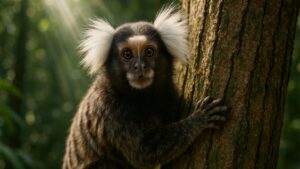
Monkeys organizes howler monkeys, capuchins, tamarins, spider monkeys, marmosets, macaques, baboons, colobus monkeys, vervets, patas monkeys, proboscis monkeys, and mandrills. The overview explains why this parent page exists, which linked profiles belong under it, and what readers need to notice before choosing a narrower profile.
The linked profiles are Baboon, Capuchin, Colobus Monkey, Howler Monkey, Macaque, Mandrill, Marmoset, Patas Monkey, Proboscis Monkey, Spider Monkey, Tamarin, Vervet Monkey. Those links are not filler. They are the smaller doors that let the reader move from this overview into exact animals, regional forms, or habitat-based groups without losing the thread.
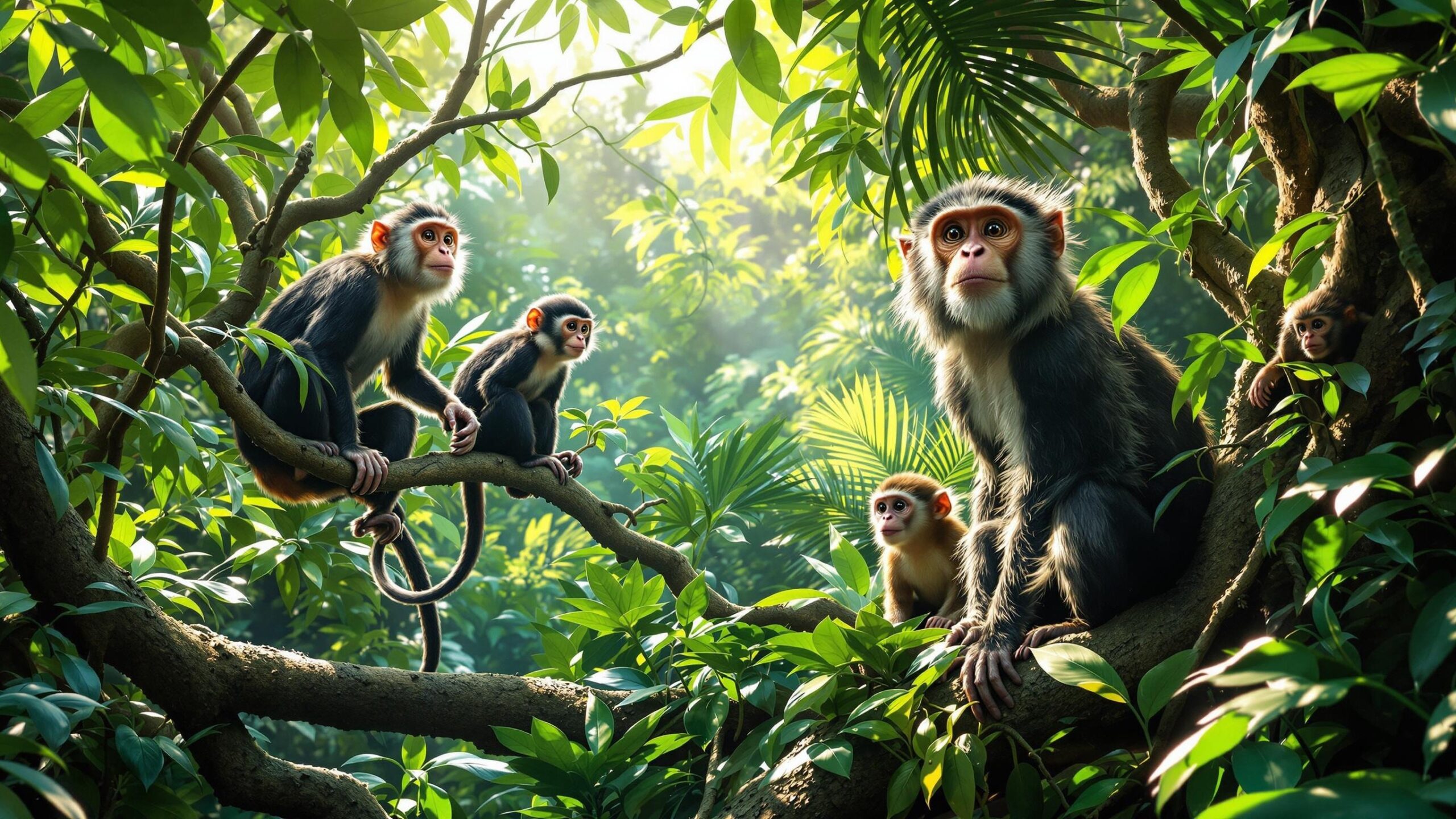
Monkeys needs to center tails, social groups, calls, hands, forest layers, ground use, and Old World versus New World variety.
What Makes This Page Distinct
A parent page can become bland when it talks only in safe generalities. For Monkeys, the useful distinction is the broad monkey branch shaped by tails, social groups, hands, vocal calls, forest layers, savannas, and regional diversity. That phrase gives the article a job: hold the wide view, but keep returning to the details that make this page different from its neighbors.
Monkeys are not one animal type. New World and Old World monkeys differ in tails, noses, habitats, movement, and social systems, and some monkey pages are closer to ground life than canopy life. That caution belongs near the top because several of these parent pages sit close together in the taxonomy. If the wording does not separate them, a reader can move from one page to another and feel as if nothing changed.
The direct children are diverse, so the page can compare canopy specialists, ground-running monkeys, leaf eaters, loud callers, and tool-using or problem-solving monkeys.
Habitat Gives the Page Its Shape
The habitat frame for Monkeys includes rainforest canopy, river forests, mangroves, savannas, rocky cliffs, tropical islands, forest edges, temples, city edges, grasslands, and mixed woodland. Those places are not background scenery. They decide what food is available, how animals move, how people encounter them, and which conservation problems become most visible.
A better parent page treats habitat as a working system. Forest cover, water access, reefs, wetlands, mountains, den sites, fields, or open ocean all change the article’s logic. When the habitat changes, the animal story changes with it.
Human contact includes crop raiding, pet trade, feeding by tourists, city edges, disease, and habitat loss.
Movement and Daily Clues
Movement cues include climbing, leaping, brachiating in some groups, running on the ground, grooming, calling, carrying infants, foraging in troops, using tails for balance or grasping in some New World monkeys. These are the details a reader can picture: how the animal crosses a slope, swims through water, climbs, digs, walks, feeds, shelters, or keeps young close. Movement also helps separate close pages that otherwise share a name or family.
Daily behavior is especially important for pages that are often confused with nearby topics. A bear page is not only a bear page if one animal climbs trees and another follows salmon streams. A fish page is not only a water page if one branch is organized by bone and another by cartilage. A frog page is not only an amphibian page if the linked profiles include canopy callers, burrowers, poison species, and odd reproductive strategies.
Monkey biology is more useful than mischievous or human-like stereotypes.
Food, Season, and Pressure
The feeding frame includes fruit, leaves, insects, seeds, flowers, gum, nectar, roots, small animals, crops, and foods shaped by teeth, hands, group size, and habitat. Food is one of the fastest ways to make the page feel alive because it explains where the animal goes, when it becomes visible, why it may travel, and how conflict or conservation issues develop.
Season matters too. Many groups change with rainfall, mast crops, breeding periods, migration windows, cold months, hot months, water level, or prey availability. A parent article does not need every calendar detail, but it can make clear that animal lives are not static.
Pressure follows the same pattern. Habitat loss, roads, farms, fisheries, climate shifts, disease, pollution, poaching, tourism, trade, or food conditioning may matter more on one page than another. Strong wording names the relevant pressure instead of dropping the same conservation sentence everywhere.
How To Read the Linked Profiles
The linked profiles under Monkeys are Baboon, Capuchin, Colobus Monkey, Howler Monkey, Macaque, Mandrill, Marmoset, Patas Monkey, Proboscis Monkey, Spider Monkey, Tamarin, Vervet Monkey. Read them as examples of the larger pattern, not as interchangeable labels. Each one adds range, identification, behavior, or conservation detail that the parent page only introduces.
This structure is especially useful when similar names sit near each other. American Black Bears and Asian Black Bears need different frames. African Elephants and Asian Elephants need different frames. Fish and Bony Fish need different frames. Frogs and Toads and Other Frogs & Toads need different frames. The fix is not to make the pages louder; it is to make each page more exact.
A good profile path answers a simple question: “Which page comes next, and why?” If the overview answers that question, the page has done its job.
Identification Without Overpromising
Parent pages can give readers practical clues without pretending to be field guides. For Monkeys, useful clues come from habitat, body form, movement, feeding style, range, and the profile names. Those clues help readers orient themselves before they look for exact measurements, scientific names, or regional details.
The wording needs more than one-trick identification. Color alone can mislead. Size alone can mislead. A common name can hide unrelated habits or regional variation. The stronger approach is to layer clues: where the animal lives, how it moves, what it eats, when it appears, and which close page gives the narrower answer.
That layered approach also makes the article less repetitive. Instead of saying every group “shares broad patterns,” the page can show the pattern through visible details.
Human Context
People are part of many Monkeys stories. That may mean agriculture, roads, aquariums, fisheries, tourism, protected areas, conflict, cultural history, or ordinary backyard encounters. The strongest human context stays plain: what brings people and animals together, what goes wrong, and what helps reduce harm.
The right tone is practical rather than dramatic. A parent page can keep animals from becoming villains, pets, symbols, or scenery. It can explain the contact points that matter: unsecured food, fragmented corridors, harvest pressure, habitat conversion, polluted water, blocked migration, or confusion between similar animals.
When the human context is specific, the page immediately sounds less manufactured. A crop-raiding elephant, a food-conditioned black bear, a frog affected by disease, or a fish shaped by aquarium demand each asks for different language.
Why This Overview Matters
The point of Monkeys is orientation. The reader leaves with a clearer sense of the page’s scope, the linked profiles below it, and the animal clues that separate it from neighboring parent pages. That is different from stuffing every fact into one article.
This overview also protects the linked profiles from doing too much work. If the parent page explains the map, the linked profiles can focus on the narrower animal stories: exact range, distinctive anatomy, conservation status, behavior, and close comparisons.
For Animal Streets, that makes the taxonomy feel useful instead of mechanical. A reader can arrive at a broad page, understand the page’s angle, and choose the next profile with confidence.
What To Notice Next
The next useful step is to carry one or two concrete questions into the linked profiles. For Monkeys, a reader might ask how the habitat changes, how the animal finds food, what body clues matter most, and where human pressure becomes part of the story. Those questions keep the reading active instead of turning the page into a static list.
A second question is scale. Some linked profiles describe a continent-wide branch, while others describe a regional form, a species group, an aquarium context, or a special habitat. The parent page makes that scale visible so readers do not expect every link below it to do the same kind of work.
A third question is what not to assume. Do not assume every bear behaves like a brown bear, every elephant uses the same habitat, every frog has the same breeding pattern, or every fish belongs in the same anatomical bucket. The more carefully the reader avoids those shortcuts, the more useful the page becomes.
That is also how these rewrites reduce sameness. The page keeps returning to the animal’s own setting, pressure points, and profile structure. The result feels less like a template and more like a guide written for this specific part of the site.
For a final check, read the page title beside the main habitat and feeding clues. If those details could belong just as easily to a nearby parent page, the wording is too loose. If they point back to Monkeys and make the profile links feel like a natural next step, the overview is doing useful work.
That standard matters on a large animal site. Readers may open several related pages in one visit, and repeated language becomes obvious fast. Specific wording keeps the site cleaner, helps search engines see real topical separation, and gives visitors a better reason to keep reading.
The result is practical, not fancy: clear distinctions, natural language, and enough animal-specific detail to reward the click.
Monkeys Details That Keep the Page Specific
Monkeys are broad enough that the page needs organizing clues. Tail use, nose shape, forest layer, diet, group size, and region all help readers separate one monkey profile from another.
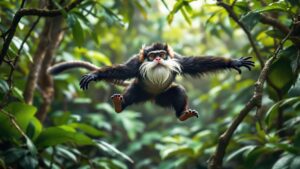
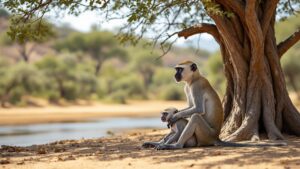
Movement varies dramatically. Spider monkeys swing through canopy, baboons walk on the ground, patas monkeys run through open country, colobus monkeys leap between trees, and proboscis monkeys connect rivers, mangroves, and swimming ability.
Social life gives the page sound and texture. Howler monkeys call across forests, macaques can form complex troops near people, tamarins and marmosets use small-body strategies, and mandrills bring large, colorful social groups into the mix.
Human contact needs balance. Some monkeys raid crops or live near temples and cities; others decline because forests disappear, infants are taken for trade, or people feed them in unsafe tourist settings. Each profile carries a different version of that contact.
The reader leaves ready to compare monkeys by region, tail, movement, diet, social group, human contact, and the direct profiles below.
Reader Takeaway
Read Monkeys as a guide to the section’s shape. Start with the habitat, movement, feeding, and caution points on this page. Then move into the linked profiles for the exact animals and local details.
The most important habit is to notice what changes. Does the habitat narrow? Does the diet shift? Does the range move from continent-wide to island-specific? Does human pressure become more direct? Those changes are the reason the parent page exists.
When this overview is doing its job, it does not sound like any other page. It sounds like Monkeys: the broad monkey branch shaped by tails, social groups, hands, vocal calls, forest layers, savannas, and regional diversity, connected to Baboon, Capuchin, Colobus Monkey, Howler Monkey, Macaque, Mandrill, Marmoset, Patas Monkey, Proboscis Monkey, Spider Monkey, Tamarin, Vervet Monkey, and grounded in the real details that make the group worth reading.