
Bug-Eating Mammals

Bug-Eating Mammals

Bug-Eating Mammals: Nature’s Insect Control Specialists

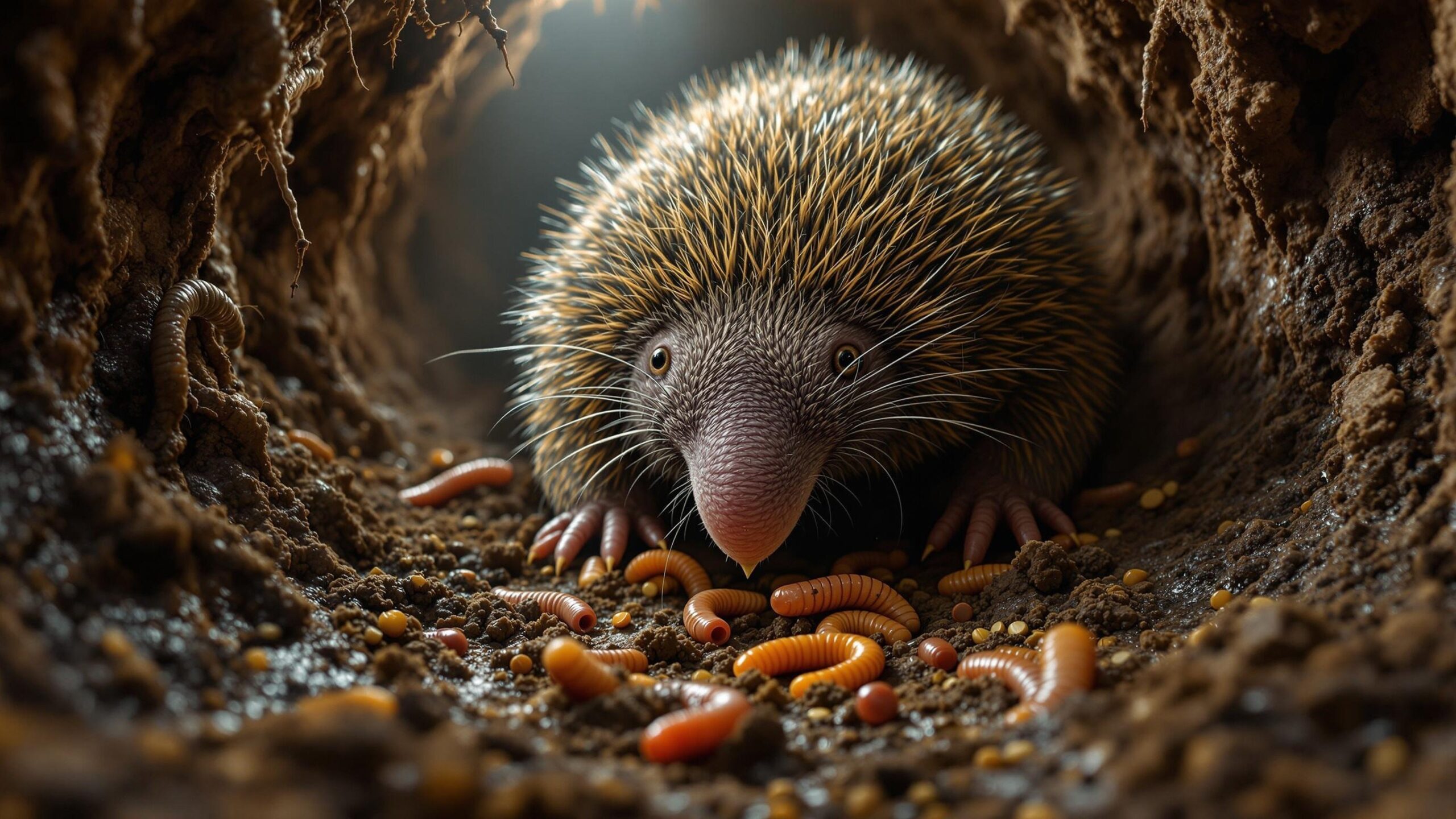
Hidden beneath forest floors, rustling in leaf litter, scurrying across open plains, or emerging under cover of night, bug-eating mammals—or insectivores—form one of the most fascinating and ecologically vital groups in the animal kingdom.  Though they are small and often unseen, their influence on ecosystems is monumental.  These mammals specialize in devouring insects and other invertebrates, playing critical roles in soil health, population control of pest species, and the recycling of organic matter.  Grouped primarily under the former order Insectivora (now broken into several distinct groups), these mammals exhibit extraordinary adaptations for life on the hunt—sharp claws, keen noses, ultra-sensitive whiskers, and specialized teeth perfect for crunching through exoskeletons.  They occupy diverse habitats across the globe and are often among the first indicators of environmental change, due to their sensitivity to toxins and habitat disruption.  This article explores the major categories of bug-eating mammals, highlighting their unique traits, iconic species, behaviors, and the essential ecological roles they perform—from the mysterious moles of the underground to the lightning-fast shrews and armored anteaters of the tropics.

Quick Facts

  • Common name: Bug-Eating Mammals
  • Identity: Grouped primarily under the former order Insectivora (now broken into several distinct groups), these mammals exhibit.
  • Native range: Bug-Eating Mammals names can vary by region, so the body and behavior clues keep the page steady.
  • Wild habitat: Bug-Eating Mammals: Nature’s Insect Control Specialists Hidden beneath forest floors, rustling in leaf litter,.
  • Wild diet: Bug-Eating Mammals: Nature’s Insect Control Specialists Hidden beneath forest floors, rustling in leaf litter,.
  • Behavior: This article explores the major categories of bug-eating mammals, highlighting their unique traits, iconic species,.
  • Reproduction: Bug-Eating Mammals feeding signs can appear as tracks, bite marks, grazing patches, shed parts, pellets, nests, or disturbed sediment.
  • Conservation: These mammals specialize in devouring insects and other invertebrates, playing critical roles in soil health,.

Taxonomy And Identity

Grouped primarily under the former order Insectivora (now broken into several distinct groups), these mammals exhibit. extraordinary adaptations for life on the hunt—sharp claws, keen noses, ultra-sensitive whiskers, and specialized. teeth perfect for crunching through exoskeletons.

Bug-Eating Mammals class context: Mammalia, with exact lower ranks depending on the species or subgroup being discussed. Belonging to the family Tenrecidae, these small creatures are native primarily to Madagascar, with a few species found on the African mainland. Shrews belong to the family Soricidae and are found throughout Eurasia, Africa, and the Americas.

Identification And Appearance

Bug-Eating Mammals behavior often explains the body: posture, limbs, mouthparts, fins, wings, shell, or skin all point toward daily survival. Bug-Eating Mammals traits to watch include warm blood, hair or fur, milk, social behavior, and land habitat. Bug-Eating Mammals names can vary by region, so the body and behavior clues keep the page steady.

Bug-Eating Mammals color can change with age, light, season, sex, stress, molt, water depth, or viewing angle. Bug-Eating Mammals defenses can be quiet: camouflage, stillness, speed, armor, venom, group behavior, hiding, or warning colors. With their bony plates, burrowing prowess, and peculiar charm, armadillos are often overlooked in favor of flashier or more familiar animals.

Anatomy And Adaptations

Grouped primarily under the former order Insectivora (now broken into several distinct groups), these mammals exhibit. extraordinary adaptations for life on the hunt—sharp claws, keen noses, ultra-sensitive whiskers, and specialized. teeth perfect for crunching through exoskeletons.

Bug-Eating Mammals defenses can be quiet: camouflage, stillness, speed, armor, venom, group behavior, hiding, or warning colors. With sharp, spike-like teeth and ultra-sensitive snouts, shrews are relentless hunters, darting through leaf litter in. search of beetles, ants, worms, and larvae.

Range And Wild Habitat

Bug-Eating Mammals names can vary by region, so the body and behavior clues keep the page steady. Age, season, lighting, region, and posture can all change the first impression. Yet these unique mammals, which range from the size of a teacup to that of a medium dog, represent an Read More ».

Hedgehogs The Charming World of Hedgehogs: Nature’s Prickly Wanderers In the quiet of twilight, a rustling in the. undergrowth signals the arrival of a curious creature. Belonging to the family Tenrecidae, these small creatures are native primarily to Madagascar, with a few species found on the African mainland.

Wild Diet And Feeding

Bug-Eating Mammals: Nature’s Insect Control Specialists Hidden beneath forest floors, rustling in leaf litter,. scurrying across open plains, or emerging under cover of night, bug-eating mammals—or insectivores—form one of the. most fascinating and ecologically vital groups in the animal kingdom.

Bug-Eating Mammals life stages may shift appearance, diet, danger level, or location, so young animals can require a slower reading. These tiny insectivores may not command the awe of lions or the elegance of eagles, Read More » Tenrecs An Unlikely. Mammalian Mosaic Tenrecs are some of the most fascinating, peculiar, and diverse mammals you’ve probably never heard.

Behavior

This article explores the major categories of bug-eating mammals, highlighting their unique traits, iconic species,. behaviors, and the essential ecological roles they perform—from the mysterious moles of the underground to the. lightning-fast shrews and armored anteaters of the tropics. + The Deep Dive: Bug-Eating Mammals 1.

Bug-Eating Mammals behavior often explains the body: posture, limbs, mouthparts, fins, wings, shell, or skin all point toward daily survival. Bug-Eating Mammals traits to watch include warm blood, hair or fur, milk, social behavior, and land habitat. Bug-Eating Mammals names can vary by region, so the body and behavior clues keep the page steady.

Reproduction And Life Cycle

Bug-Eating Mammals feeding signs can appear as tracks, bite marks, grazing patches, shed parts, pellets, nests, or disturbed sediment. Bug-Eating Mammals may be more active at dawn, dusk, night, rainy periods, breeding season, migration windows, or changing tides. With sharp, spike-like teeth and ultra-sensitive snouts, shrews are relentless hunters, darting through leaf litter in.

search of beetles, ants, worms, and larvae. The giant anteater roams grasslands and forests, tearing open nests with its claws and flicking its tongue up to 150 times per minute. That context gives the profile more value than a short definition because it explains how Bug-Eating Mammals lives in the real world.

Ecology And Role In The Environment

Bug-Eating Mammals: Nature’s Insect Control Specialists Hidden beneath forest floors, rustling in leaf litter,. scurrying across open plains, or emerging under cover of night, bug-eating mammals—or insectivores—form one of the. most fascinating and ecologically vital groups in the animal kingdom.

Though they are small and often unseen, their influence on ecosystems is monumental. This article explores the major categories of bug-eating mammals, highlighting their unique traits, iconic species,. behaviors, and the essential ecological roles they perform—from the mysterious moles of the underground to the.

Conservation Status And Threats

These mammals specialize in devouring insects and other invertebrates, playing critical roles in soil health,. population control of pest species, and the recycling of organic matter. Despite their elusive nature, moles play a vital role in soil ecology, aerating the earth and controlling insect populations.

Shrews are essential in regulating insect populations and help maintain the delicate balance of forest floor ecosystems. When threatened, they roll into a tight, spiny ball to deter predators. Hedgehogs play a valuable role in pest control, reducing the populations of harmful insects in gardens and farmland.

Human Relationship

Grouped primarily under the former order Insectivora (now broken into several distinct groups), these mammals exhibit. extraordinary adaptations for life on the hunt—sharp claws, keen noses, ultra-sensitive whiskers, and specialized. teeth perfect for crunching through exoskeletons.

Bug-Eating Mammals feeding style helps separate grazers, hunters, filter feeders, browsers, scavengers, ambush predators, and opportunists. Bug-Eating Mammals life stages may shift appearance, diet, danger level, or location, so young animals can require a slower reading. Bug-Eating Mammals feeding signs can appear as tracks, bite marks, grazing patches, shed parts, pellets, nests, or disturbed sediment.

Wild And Captive Variation

Bug-Eating Mammals may be more active at dawn, dusk, night, rainy periods, breeding season, migration windows, or changing tides. In fact, these animals have evolved a stunning variety Read More » Shrews: The Metabolic Marvels of the Underbrush. Shrews are among the smallest mammals on Earth, but their metabolisms operate at breakneck speed.

Similar Species

These tiny insectivores may not command the awe of lions or the elegance of eagles, Read More » Tenrecs An Unlikely. Mammalian Mosaic Tenrecs are some of the most fascinating, peculiar, and diverse mammals you’ve probably never heard. of.

At first glance, a tenrec might be mistaken for a hedgehog, a shrew, an otter, or even a mole. The lesser hedgehog tenrec, for example, has spines similar to a hedgehog and is a common pet in some parts of the world. That context gives the profile more value than a short definition because it explains how Bug-Eating Mammals lives in the real world.

Common Misconceptions

At first glance, a tenrec might be mistaken for a hedgehog, a shrew, an otter, or even a mole. That context gives the profile more value than a short definition because it explains how Bug-Eating Mammals lives in the real world. That context gives the profile more value than a short definition because it explains how Bug-Eating Mammals lives in the real world.

At first glance, a tenrec might be mistaken for a hedgehog, a shrew, an otter, or even a mole. That context gives the profile more value than a short definition because it explains how Bug-Eating Mammals lives in the real world. That context gives the profile more value than a short definition because it explains how Bug-Eating Mammals lives in the real world.

FAQ

What is a Bug-Eating Mammals?

Bug-Eating Mammals: Nature’s Insect Control Specialists Hidden beneath forest floors, rustling in leaf litter,. scurrying across open plains, or emerging under cover of night, bug-eating mammals—or insectivores—form one of the. most fascinating and ecologically vital groups in the animal kingdom.

Where does the Bug-Eating Mammals live in the wild?

Bug-Eating Mammals names can vary by region, so the body and behavior clues keep the page steady. Age, season, lighting, region, and posture can all change the first impression. Yet these unique mammals, which range from the size of a teacup to that of a medium dog, represent an Read More ».

How can someone identify a Bug-Eating Mammals?

Bug-Eating Mammals: Nature’s Insect Control Specialists Hidden beneath forest floors, rustling in leaf litter,. scurrying across open plains, or emerging under cover of night, bug-eating mammals—or insectivores—form one of the. most fascinating and ecologically vital groups in the animal kingdom.

What does the Bug-Eating Mammals eat?

Bug-Eating Mammals: Nature’s Insect Control Specialists Hidden beneath forest floors, rustling in leaf litter,. scurrying across open plains, or emerging under cover of night, bug-eating mammals—or insectivores—form one of the. most fascinating and ecologically vital groups in the animal kingdom.

How does the Bug-Eating Mammals behave?

Bug-Eating Mammals: Nature’s Insect Control Specialists Hidden beneath forest floors, rustling in leaf litter,. scurrying across open plains, or emerging under cover of night, bug-eating mammals—or insectivores—form one of the. most fascinating and ecologically vital groups in the animal kingdom.

How does the Bug-Eating Mammals reproduce?

Bug-Eating Mammals: Nature’s Insect Control Specialists Hidden beneath forest floors, rustling in leaf litter,. scurrying across open plains, or emerging under cover of night, bug-eating mammals—or insectivores—form one of the. most fascinating and ecologically vital groups in the animal kingdom.

Sources