
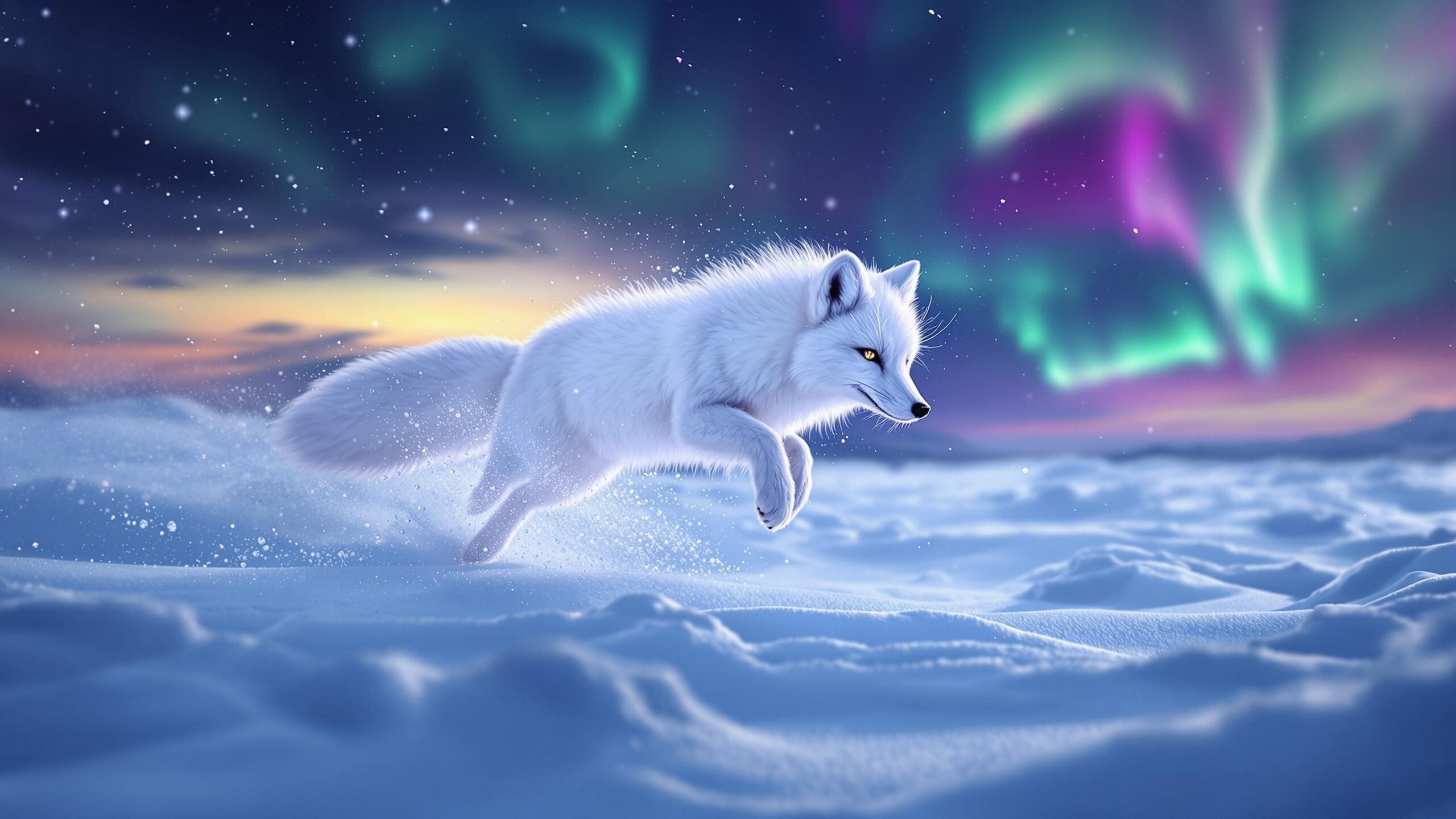
Foxes: The Clever Shadows of the Wild That Dance Between Worlds
At twilight, when the sky softens and the forest hushes, a flicker of red moves between the trees. It pauses—ears twitching, eyes gleaming, and then vanishes like a wisp of smoke. This fleeting presence is the fox: clever, quiet, and endlessly adaptable. Known as tricksters in myth, survivors in nature, and icons in human culture, foxes embody a unique balance of cunning and curiosity, solitude and strategy. Whether slinking through Arctic snowdrifts, trotting along suburban fences, or basking under desert moons, foxes remind us that wildness often hides in plain sight.
Foxes belong to the family Canidae, which includes wolves, coyotes, jackals, and domestic dogs. Unlike their larger cousins, foxes are generally small, solitary, and stealthy. They’ve evolved in nearly every type of habitat on Earth—from icy tundras to steamy rainforests—and in doing so, have become one of the most widespread and resilient carnivores. To understand foxes is to explore a wide tapestry of species, behaviors, and ecological roles that stretch across continents and centuries.
Taxonomy And Identity
Foxes belong to the family Canidae, which includes wolves, coyotes, jackals, and domestic dogs. With its pale, silky coat, large eyes, and elusive behavior, this lesser-known member of the fox family prowls the vast, arid steppes and semi-deserts of Central Asia. Despite its subtle beauty and ecological importance, this fox remains one of the lesser-known members of the dog family.
Living in small family groups, fennec foxes are more social than many of their kin. Bengal foxes often live in pairs or small family groups and use complex burrow systems for shelter and breeding. Foxes is best understood through its anatomy, habitat, diet, behavior, and place in its ecosystem.
Identification And Appearance
Known as tricksters in myth, survivors in nature, and icons in human culture, foxes embody a unique balance of cunning and curiosity, solitude and strategy. Whether slinking through Arctic snowdrifts, trotting along suburban fences, or basking under desert moons, foxes remind us that wildness often hides in plain sight. The Arctic fox (Vulpes lagopus), with its thick fur, nimble movements, and snow-colored coat, is one of the Arctic’s most iconic and resilient inhabitants.
Known as tricksters in myth, survivors in nature, and icons in human culture, foxes embody a unique balance of cunning and curiosity, solitude and strategy. Whether slinking through Arctic snowdrifts, trotting along suburban fences, or basking under desert moons, foxes remind us that wildness often hides in plain sight. Body form, markings, movement, and habitat work together to separate this animal from close relatives and lookalikes.
Anatomy And Adaptations
This fleeting presence is the fox: clever, quiet, and endlessly adaptable. With its bushy, black-tipped tail, slender frame, and keen intellect, the Bengal Fox is a quintessential symbol of adaptability and survival. With its oversized ears, delicate frame, and nocturnal habits, the Fennec Fox (Vulpes zerda) is both a marvel of desert adaptation and a creature that seems plucked from a storybook.
With its grizzled coat, sharp eyes, and remarkable climbing ability, the Gray Fox (Urocyon cinereoargenteus) stands apart as a master of both forest floor and treetop. Body form, markings, movement, and habitat work together to separate this animal from close relatives and lookalikes. Body form, markings, movement, and habitat work together to separate this animal from close relatives and lookalikes.
Range And Wild Habitat
Known scientifically as Vulpes pallida, this elegant creature is as mysterious as the region it inhabits. Their size ranges from the tiny fennec fox, weighing under 4 pounds, to the larger red fox, which can reach up to 30 pounds. This dietary flexibility allows them to survive in a wide range of environments, including those altered by humans.
They communicate through a range of vocalizations—from yips and barks to eerie screams—and use scent marking to establish territory. Whether slinking through Arctic snowdrifts, trotting along suburban fences, or basking under desert moons, foxes remind us that wildness often hides in plain sight. They’ve evolved in nearly every type of habitat on Earth—from icy tundras to steamy rainforests—and in doing so, have become one of the most widespread and resilient carnivores.
Wild Diet And Feeding
They’ve evolved in nearly every type of habitat on Earth—from icy tundras to steamy rainforests—and in doing so, have become one of the most widespread and resilient carnivores. Foxes cache food, modify dens, change hunting techniques based on prey behavior, and even learn to navigate urban landscapes with uncanny intelligence. Arctic foxes are built for cold: compact bodies, small ears, and dense fur minimize heat loss.
When prey is scarce, they follow polar bears to scavenge leftovers, or hunt sea birds, fish, and even insects. These foxes also exhibit nomadic behavior, traveling vast distances across ice and tundra to follow food sources, making them some of the most wide-ranging animals on the planet. Weighing under 4 pounds, the fennec fox is dwarfed by its signature feature: oversized ears that radiate heat and detect the faintest desert noises.
Behavior
Unlike their larger cousins, foxes are generally small, solitary, and stealthy. To understand foxes is to explore a wide tapestry of species, behaviors, and ecological roles that stretch across continents and centuries. With its pale, silky coat, large eyes, and elusive behavior, this lesser-known member of the fox family prowls the vast, arid steppes and semi-deserts of Central Asia.
Unlike their larger cousins, foxes are generally small, solitary, and stealthy. To understand foxes is to explore a wide tapestry of species, behaviors, and ecological roles that stretch across continents and centuries. Behavior is easiest to understand when daily movement, social contact, communication, and risk avoidance are considered together.
Reproduction And Life Cycle
Foxes are omnivorous, eating everything from small mammals, birds, and insects to fruits, berries, eggs, and carrion. During mating season, pairs may form long-term bonds, and parents share in raising pups. During breeding season, the sharp bark of a male and the shriek-like scream of a vixen pierce the night.
Bengal foxes often live in pairs or small family groups and use complex burrow systems for shelter and breeding. Its daily life is shaped by where it moves, what it eats, how it avoids danger, and how it interacts with other animals. Its daily life is shaped by where it moves, what it eats, how it avoids danger, and how it interacts with other animals.
Ecology And Role In The Environment
To understand foxes is to explore a wide tapestry of species, behaviors, and ecological roles that stretch across continents and centuries. Despite its subtle beauty and ecological importance, this fox remains one of the lesser-known members of the dog family. Foxes cache food, modify dens, change hunting techniques based on prey behavior, and even learn to navigate urban landscapes with uncanny intelligence.
When prey is scarce, they follow polar bears to scavenge leftovers, or hunt sea birds, fish, and even insects. When threatened, it will not only flee but climb into branches to rest or escape predators. This arboreal habit allows gray foxes to hunt squirrels and birds in trees, giving them a dietary niche that reduces competition with ground-based predators.
Conservation Status And Threats
When threatened, it will not only flee but climb into branches to rest or escape predators. Their populations have declined due to habitat loss and fragmentation, especially in agricultural areas, but conservation efforts have helped some groups rebound. As India’s rural and suburban spaces expand, Bengal foxes are increasingly adapting to edge environments, though they face growing pressures from habitat loss, hunting, and competition with feral dogs.
Small and secretive, this fox is a relic of ancient ecosystems and a conservation priority. As mesopredators, they regulate populations of rodents, insects, and other small animals, indirectly benefiting plant communities and reducing disease risk. Yet they’re also vulnerable to ecosystem shifts themselves.
Human Relationship
Known as tricksters in myth, survivors in nature, and icons in human culture, foxes embody a unique balance of cunning and curiosity, solitude and strategy. This dietary flexibility allows them to survive in a wide range of environments, including those altered by humans. Foxes cache food, modify dens, change hunting techniques based on prey behavior, and even learn to navigate urban landscapes with uncanny intelligence.
Socially, most foxes are solitary hunters, but they live complex lives. Its daily life is shaped by where it moves, what it eats, how it avoids danger, and how it interacts with other animals. Its daily life is shaped by where it moves, what it eats, how it avoids danger, and how it interacts with other animals.
Captive Care
Red foxes typically raise litters of 4 to 6 kits, with both parents and sometimes older siblings contributing to care and teaching. These foxes are primarily crepuscular, active at dawn and dusk, when temperatures are manageable and prey is abundant. The Corsac fox ( Vulpes corsac ) of Central Asia’s steppes is adapted to extreme temperature swings and open landscapes.
Wild And Captive Variation
Foxes belong to the family Canidae, which includes wolves, coyotes, jackals, and domestic dogs. During breeding season, the sharp bark of a male and the shriek-like scream of a vixen pierce the night. Bengal foxes often live in pairs or small family groups and use complex burrow systems for shelter and breeding.
Similar Species
Unlike their larger cousins, foxes are generally small, solitary, and stealthy. Unlike the showier red fox, gray foxes are subtle and quiet—more a whisper than a shout in the forest, but no less essential to the balance of their ecosystems. These foxes are similar in size and behavior, with tan or buff-colored coats and large ears that help with thermoregulation and prey detection.
Unlike its red or Arctic cousins, the Bengal fox is more localized, and its behavior reflects a deep adaptation to the monsoon-driven rhythms of South Asia. Unlike most foxes, it sometimes forms large communal groups in winter and migrates across vast distances in response to prey availability. Its daily life is shaped by where it moves, what it eats, how it avoids danger, and how it interacts with other animals.
Common Misconceptions
Known as tricksters in myth, survivors in nature, and icons in human culture, foxes embody a unique balance of cunning and curiosity, solitude and strategy. Their graceful, cat-like movement across the dunes adds to their mythic aura—a creature seemingly sculpted from the desert wind. These myths reflect the real-world intelligence and flexibility of foxes.
Known as tricksters in myth, survivors in nature, and icons in human culture, foxes embody a unique…. Its daily life is shaped by where it moves, what it eats, how it avoids danger, and how it interacts with other animals. Its daily life is shaped by where it moves, what it eats, how it avoids danger, and how it interacts with other animals.
FAQ
Sources
- https://animalstreets.com/mammals/land-mammals/wild-canids/fox/ Organization: animalstreets.com Source type: Live page or linked source URL: https://animalstreets.com/mammals/land-mammals/wild-canids/fox/ Information verified: Used for current-page extraction and source discovery; independent fact verification may still be required. Date checked: 2026-08-27 Reliability notes: Current page / internal source; use for audit context, not independent verification
- https://animalstreets.com/mammals-product-reviews/land-mammals-product-reviews/ Organization: animalstreets.com Source type: Live page or linked source URL: https://animalstreets.com/mammals-product-reviews/land-mammals-product-reviews/ Information verified: Used for current-page extraction and source discovery; independent fact verification may still be required. Date checked: 2026-08-27 Reliability notes: Current page / internal source; use for audit context, not independent verification
- https://animalstreets.com/mammals/land-mammals/wild-canids/fox/arctic-fox/ Organization: animalstreets.com Source type: Live page or linked source URL: https://animalstreets.com/mammals/land-mammals/wild-canids/fox/arctic-fox/ Information verified: Used for current-page extraction and source discovery; independent fact verification may still be required. Date checked: 2026-08-27 Reliability notes: Current page / internal source; use for audit context, not independent verification
- https://animalstreets.com/mammals/land-mammals/wild-canids/fox/bengal-fox/ Organization: animalstreets.com Source type: Live page or linked source URL: https://animalstreets.com/mammals/land-mammals/wild-canids/fox/bengal-fox/ Information verified: Used for current-page extraction and source discovery; independent fact verification may still be required. Date checked: 2026-08-27 Reliability notes: Current page / internal source; use for audit context, not independent verification
- https://animalstreets.com/mammals/land-mammals/wild-canids/fox/blanfords-fox/ Organization: animalstreets.com Source type: Live page or linked source URL: https://animalstreets.com/mammals/land-mammals/wild-canids/fox/blanfords-fox/ Information verified: Used for current-page extraction and source discovery; independent fact verification may still be required. Date checked: 2026-08-27 Reliability notes: Current page / internal source; use for audit context, not independent verification
- https://animalstreets.com/mammals/land-mammals/wild-canids/fox/corsac-fox/ Organization: animalstreets.com Source type: Live page or linked source URL: https://animalstreets.com/mammals/land-mammals/wild-canids/fox/corsac-fox/ Information verified: Used for current-page extraction and source discovery; independent fact verification may still be required. Date checked: 2026-08-27 Reliability notes: Current page / internal source; use for audit context, not independent verification
- https://animalstreets.com/mammals/land-mammals/wild-canids/fox/fennec-fox/ Organization: animalstreets.com Source type: Live page or linked source URL: https://animalstreets.com/mammals/land-mammals/wild-canids/fox/fennec-fox/ Information verified: Used for current-page extraction and source discovery; independent fact verification may still be required. Date checked: 2026-08-27 Reliability notes: Current page / internal source; use for audit context, not independent verification
- https://animalstreets.com/mammals/land-mammals/wild-canids/fox/gray-fox/ Organization: animalstreets.com Source type: Live page or linked source URL: https://animalstreets.com/mammals/land-mammals/wild-canids/fox/gray-fox/ Information verified: Used for current-page extraction and source discovery; independent fact verification may still be required. Date checked: 2026-08-27 Reliability notes: Current page / internal source; use for audit context, not independent verification