
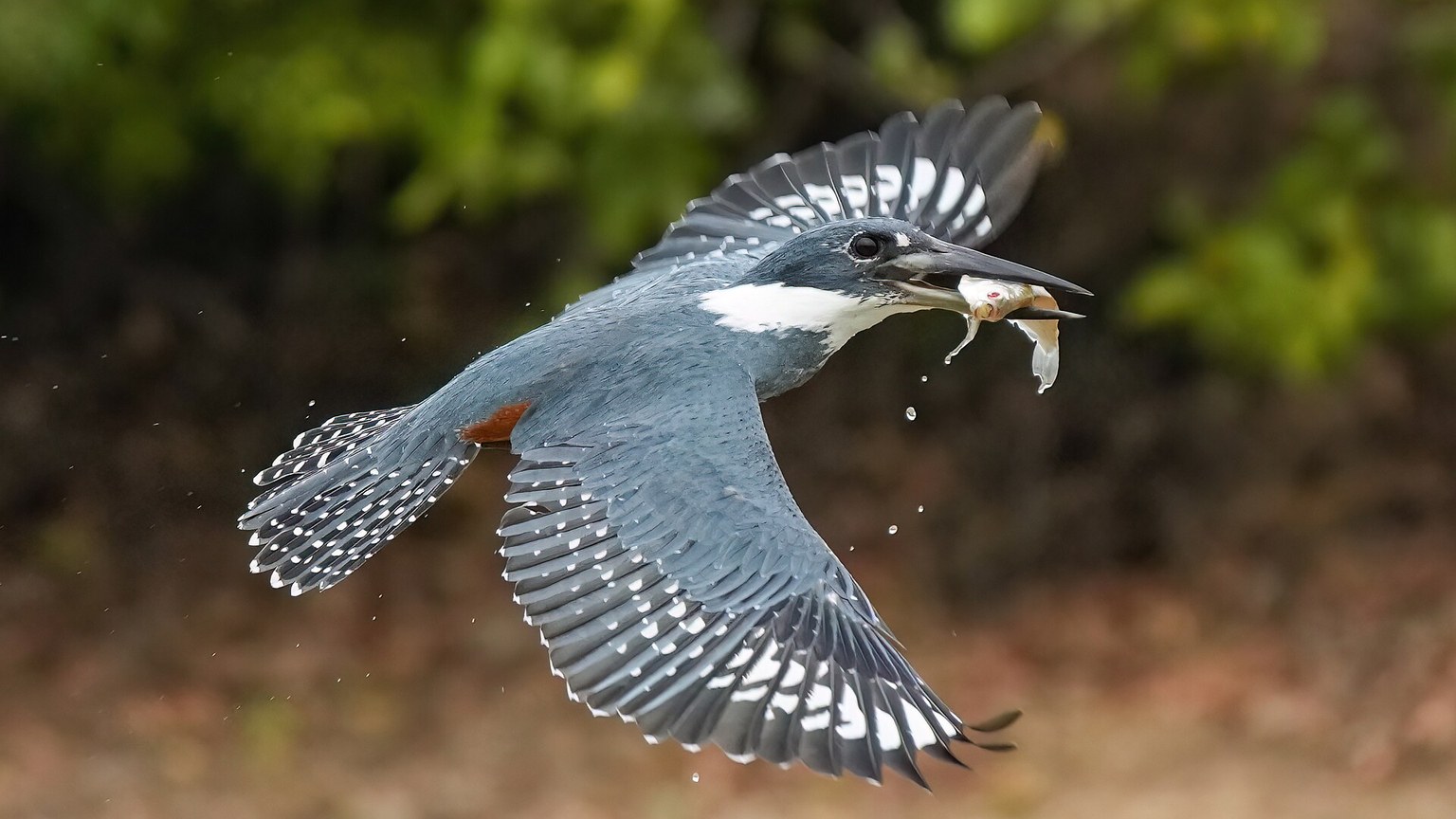
Flying Fish: A Focused Fish Explainer
Flying Fish belongs on Animal Streets because it gives readers a specific way to understand fish diversity: surface fish with enlarged fins that glide above waves to escape fast predators. This guide focuses on the clues that make the animal recognizable, including habitat, body structure, feeding behavior, comparison points, and the visual details that make a useful wildlife or aquarium image.
Taxonomy And Identity
The most memorable cue is gliding escape, which gives the animal a specific place in the Fish taxonomy. The taxonomy branch is useful when it sharpens the difference created by gliding escape. Those details give the page a clear reason to exist beside the surrounding taxonomy pages.
It also gives the surrounding Fish taxonomy a more useful rhythm, because every child page teaches a different habit of observation. Comparison is where the page earns its place in the taxonomy. It has turned a name in the Fish taxonomy into a living animal with a distinct structure and story.
Identification And Appearance
Flying Fish is best introduced as surface fish with enlarged fins that glide above waves to escape fast predators. Body form and behavior line up here: bursts from the water, spreads its fins, and skims in a gliding arc before reentry. The visible anatomy matters because streamlined body, long pectoral fins, forked tail, and a lower tail lobe that helps launch from water supports the way this fish uses warm open seas, current edges, offshore surface layers, and blue-water predator lanes.
The useful takeaway is how surface fish with enlarged fins that glide above waves to escape fast predators turns into a recognizable living animal. Body form, markings, movement, and habitat work together to separate this animal from close relatives and lookalikes. Body form, markings, movement, and habitat work together to separate this animal from close relatives and lookalikes.
Anatomy And Adaptations
Flying Fish is best introduced as surface fish with enlarged fins that glide above waves to escape fast predators. The name is only the doorway; the stronger explanation is unlike reef fish, flying fish are built for the air-water boundary rather than shelter among structures. The useful takeaway is how surface fish with enlarged fins that glide above waves to escape fast predators turns into a recognizable living animal.
For Flying Fish, water is meaningful because warm open seas, current edges, offshore surface layers, and blue-water predator lanes shape feeding access and shelter. Habitat clues separate this topic from neighbors because unlike reef fish, flying fish are built for the air-water boundary rather than shelter among structures. The strongest place note links warm open seas, current edges, offshore surface layers, and blue-water predator lanes to bursts from the water, spreads its fins, and skims in a gliding arc before reentry.
Range And Wild Habitat
Color is secondary to the feeding evidence found in gliding escape and body position. That is especially important on Animal Streets, where the Fish category includes reef animals, aquarium strains, deep- water predators, and open-ocean travelers. For some pages that means tank size and water quality; for others it means reef condition, open-ocean threats, or the difficulty of studying animals that live far from ordinary view.
From land-roaming lions to ocean-gliding whales, from household pets to prehistoric giants, we explore top-rated products for enthusiasts, educators, and animal lovers alike. The visible anatomy matters because streamlined body, long pectoral fins, forked tail, and a lower tail lobe that helps launch from water supports the way this fish uses warm open seas, current edges, offshore surface layers, and blue-water predator lanes. The name is only the doorway; the stronger explanation is unlike reef fish, flying fish are built for the air-water boundary rather than shelter among structures.
Wild Diet And Feeding
The mouth clue belongs beside streamlined body, long pectoral fins, forked tail, and a lower tail lobe that helps launch from water because anatomy explains food access. Food availability also shapes the practical context: surface lights, boats, and predator-prey pressure shape how people usually notice them. Similar-looking fish can differ sharply when one picks at plankton and small surface organisms while staying alert to predators below and another feeds differently.
Food availability also shapes the practical context: surface lights, boats, and predator-prey pressure shape how people usually notice them. Similar-looking fish can differ sharply when one picks at plankton and small surface organisms while staying alert to predators below and another feeds differently. A mouth is not just a facial detail; it is a tool shaped by prey size, approach speed, water position, and the type of habitat the fish uses most often.
Behavior
Body form and behavior line up here: bursts from the water, spreads its fins, and skims in a gliding arc before reentry. The animal’s normal behavior is specific: bursts from the water, spreads its fins, and skims in a gliding arc before reentry. Behavior explains feeding here because bursts from the water, spreads its fins, and skims in a gliding arc before reentry.
The life-stage takeaway is to read Flying Fish through anatomy, setting, and behavior together. Place, depth, cover, and water movement are not decorative details here; they are part of the evidence that supports the identification and the behavior described on the page. Behavior is easiest to understand when daily movement, social contact, communication, and risk avoidance are considered together.
Reproduction And Life Cycle
Those traits are more reliable than a quick color note because color can change with light, age, stress, breeding, strain, or camera angle. Its daily life is shaped by where it moves, what it eats, how it avoids danger, and how it interacts with other animals. Its daily life is shaped by where it moves, what it eats, how it avoids danger, and how it interacts with other animals.
Ecology And Role In The Environment
Flying Fish is best introduced as surface fish with enlarged fins that glide above waves to escape fast predators. A good first look connects the fish to warm open seas, current edges, offshore surface layers, and blue-water predator lanes rather than treating it as a floating portrait. The visible anatomy matters because streamlined body, long pectoral fins, forked tail, and a lower tail lobe that helps launch from water supports the way this fish uses warm open seas, current edges, offshore surface layers, and blue-water predator lanes.
The useful takeaway is how surface fish with enlarged fins that glide above waves to escape fast predators turns into a recognizable living animal. Natural context centers on warm open seas, current edges, offshore surface layers, and blue-water predator lanes. For Flying Fish, water is meaningful because warm open seas, current edges, offshore surface layers, and blue-water predator lanes shape feeding access and shelter.
Conservation Status And Threats
Flying Fish is best introduced as surface fish with enlarged fins that glide above waves to escape fast predators. A good first look connects the fish to warm open seas, current edges, offshore surface layers, and blue-water predator lanes rather than treating it as a floating portrait. Body form and behavior line up here: bursts from the water, spreads its fins, and skims in a gliding arc before reentry.
The visible anatomy matters because streamlined body, long pectoral fins, forked tail, and a lower tail lobe that helps launch from water supports the way this fish uses warm open seas, current edges, offshore surface layers, and blue-water predator lanes. The useful takeaway is how surface fish with enlarged fins that glide above waves to escape fast predators turns into a recognizable living animal. Natural context centers on warm open seas, current edges, offshore surface layers, and blue-water predator lanes.
Human Relationship
Food availability also shapes the practical context: surface lights, boats, and predator-prey pressure shape how people usually notice them. They shape what the fish can eat, where it can rest, how it avoids danger, and what kind of movement is practical. That is especially important on Animal Streets, where the Fish category includes reef animals, aquarium strains, deep- water predators, and open-ocean travelers.
Food availability also shapes the practical context: surface lights, boats, and predator-prey pressure shape how people usually notice them. They shape what the fish can eat, where it can rest, how it avoids danger, and what kind of movement is practical. Its daily life is shaped by where it moves, what it eats, how it avoids danger, and how it interacts with other animals.
Captive Care
Compare carefully: unlike reef fish, flying fish are built for the air-water boundary rather than shelter among structures. A student may need classification context, an animal lover may want recognition clues, an aquarist or angler may care about practical meaning, and a casual visitor may simply want to understand why the fish looks the way it does. That is especially important on Animal Streets, where the Fish category includes reef animals, aquarium strains, deep- water predators, and open-ocean travelers.
Wild And Captive Variation
Similar Species
The name is only the doorway; the stronger explanation is unlike reef fish, flying fish are built for the air-water boundary rather than shelter among structures. Habitat clues separate this topic from neighbors because unlike reef fish, flying fish are built for the air-water boundary rather than shelter among structures. Compare carefully: unlike reef fish, flying fish are built for the air-water boundary rather than shelter among structures.
Similar-looking fish can differ sharply when one picks at plankton and small surface organisms while staying alert to predators below and another feeds differently. The setting can also prevent mistaken comparisons. Its daily life is shaped by where it moves, what it eats, how it avoids danger, and how it interacts with other animals.
Common Misconceptions
The setting can also prevent mistaken comparisons. Its daily life is shaped by where it moves, what it eats, how it avoids danger, and how it interacts with other animals. Its daily life is shaped by where it moves, what it eats, how it avoids danger, and how it interacts with other animals.
FAQ
Additional Natural History Notes
Flying Fish is best interpreted through habitat, seasonal food supply, movement, social behavior, breeding timing, and the pressures created by predators, competitors, and people. Coat color, limb shape, ears, teeth, and body size connect to how the animal travels, finds food, avoids danger, and raises young. Wild behavior also differs from observations made in parks, zoos, farms, rescue settings, or neighborhoods, where space, diet, risk, and human influence can change daily activity.
A complete account also benefits from scale and season. Many animals change their movements, calls, feeding choices, or visibility as weather, water, prey, nesting sites, or shelter change through the year. Those rhythms can make the same species look secretive in one setting and bold in another. By connecting anatomy, habitat, and seasonal behavior, the animal becomes easier to understand as a living part of its ecosystem rather than a list of isolated facts.
Regional history adds another layer. Islands, mountains, deserts, forests, rivers, and grasslands can isolate populations long enough for small differences in size, color, diet, or behavior to matter. Local names, field reports, museum records, and modern genetic work often fit together slowly, especially when the animal is rare, nocturnal, migratory, or difficult to observe. The strongest interpretation treats those clues as part of one natural history rather than separate trivia.