
Grunt: A Clear Animal Streets Guide
Grunt belongs on Animal Streets because it gives readers a specific way to understand fish diversity: reef and coastal schooling fish named for sounds made by grinding teeth and amplifying the vibration. This guide focuses on the clues that make the animal recognizable, including habitat, body structure, feeding behavior, comparison points, and the visual details that make a useful wildlife or aquarium image.
A: They can make grunting sounds by grinding teeth and using the swim bladder as a resonator.
A: Many species form schools, especially around reefs and ledges.
A: Several feed more actively at night away from daytime shelter.
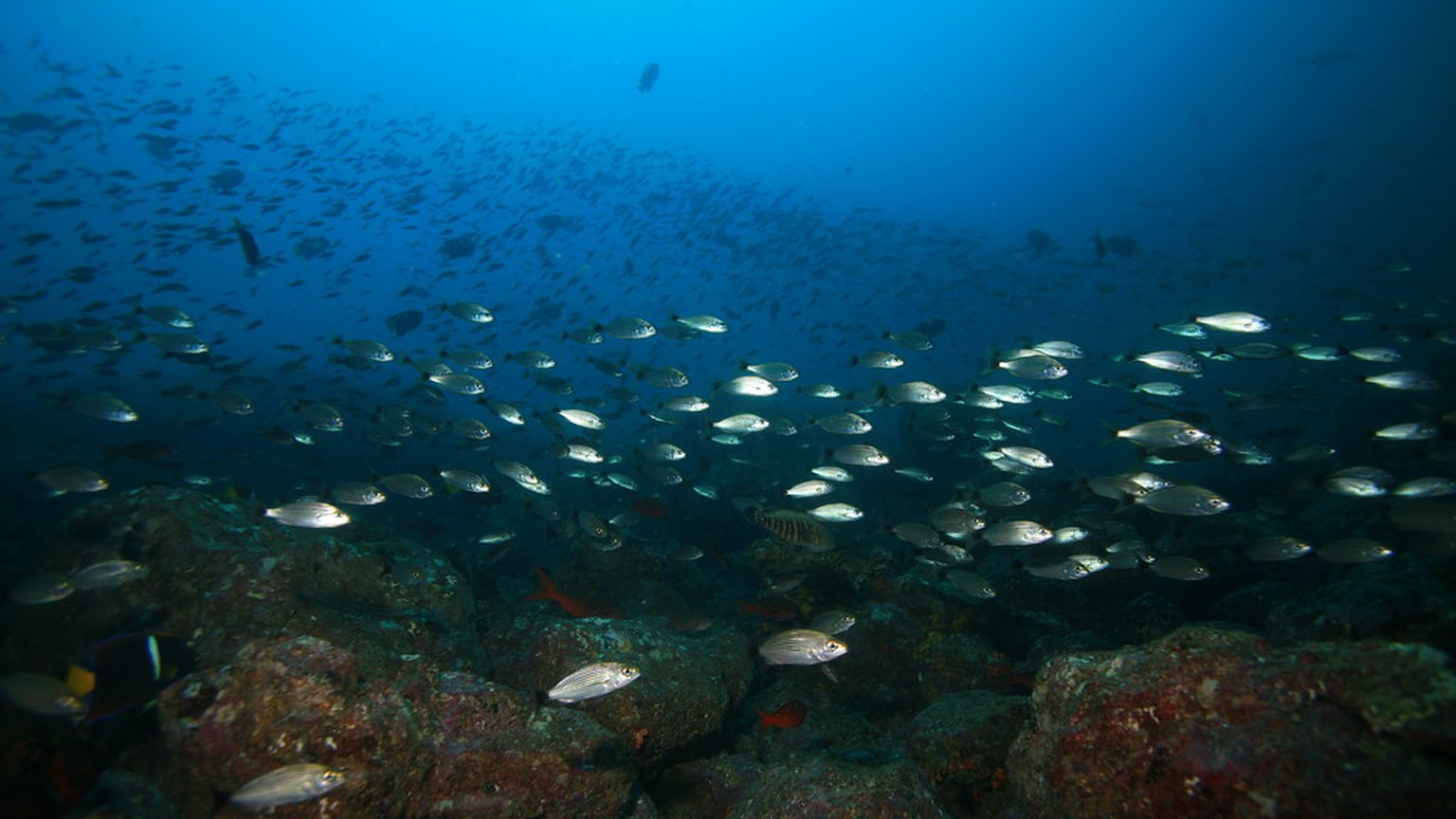
A: Show a natural reef-school context with the head, tail fork, and stripe pattern clear.
A: Sound-making schooler.
A: Because reef edges, mangrove channels, seagrass margins, ledges, and warm coastal schools shape how the fish moves, feeds, hides, and is observed.
A: They should avoid identifying Grunt from color alone.
A: Forages on small crustaceans, worms, mollusks, and bottom prey, often more actively at night.
A: Unlike snappers, many grunts have smaller mouths and a softer schooling impression.
A: Reef health, mangrove nurseries, and species-level identification matter for readers and anglers.
How to Read This Fish
Grunt needs a page that starts with the animal itself, not with a recycled Fish overview. Its identity is reef and coastal schooling fish named for sounds made by grinding teeth and amplifying the vibration. That means the first useful question is what a reader can actually see: the body plan, the mouth, the fin shape, and the way the animal holds itself in water. Those details give the page a clear reason to exist beside the surrounding taxonomy pages. They also keep the reader from treating every fish article as the same outline with a different name at the top.
The strongest memory hook is sound-making schooler. It should guide the reader without turning the article into a single-trait description. A careful explainer keeps the famous clue in view, then connects it to habitat, feeding, behavior, and human context so the page feels specific rather than interchangeable. For Grunt, the most useful explanation is the one that shows how the visible body and the normal setting work together.
This kind of article has to serve several readers at once. A student may need classification context, an animal lover may want recognition clues, an aquarist or angler may care about practical meaning, and a casual visitor may simply want to understand why the fish looks the way it does. The page works best when all of those paths lead back to reef and coastal schooling fish named for sounds made by grinding teeth and amplifying the vibration.
A reader should be able to point to the animal and explain the connection in plain language: sound-making schooler is not trivia, it is a clue to how Grunt lives. That makes the page more durable than a quick identification caption. It also gives the surrounding Fish taxonomy a more useful rhythm, because every child page teaches a different habit of observation.
Habitat and Movement
Reef edges, mangrove channels, seagrass margins, ledges, and warm coastal schools are not just background settings for Grunt. They shape what the fish can eat, where it can rest, how it avoids danger, and what kind of movement is practical. When an article names the setting and explains its function, the animal becomes easier to understand from a photograph or a short field description. The same body can feel confusing in a blank image but obvious once the habitat is named.
The body matches that setting: laterally compressed body, forked tail, small mouth, and often striped or yellow-toned markings. Those traits are more reliable than a quick color note because color can change with light, age, stress, breeding, strain, or camera angle. A reader who learns the structural clues can compare this fish with nearby pages without guessing. That is especially important on Animal Streets, where the Fish category includes reef animals, aquarium strains, deep-water predators, and open-ocean travelers.
Movement also belongs in the habitat section. Schools by day, shifts feeding grounds after dark, and uses reefs as cover. That sentence gives the page a behavioral center, and it keeps the article from drifting into generic lines about swimming, hiding, or feeding. The point is not merely that Grunt lives in water; the point is that its water has structure, pressure, cover, current, or surface space that changes what the animal can do.
A habitat paragraph should give the reader a mental scene that is biologically useful. For Grunt, that scene includes reef edges, mangrove channels, seagrass margins, ledges, and warm coastal schools. Once that scene is in place, details such as sound-making schooler make more sense because they are no longer isolated facts.
The setting can also prevent mistaken comparisons. If Grunt is shown away from reef edges, mangrove channels, seagrass margins, ledges, and warm coastal schools, the reader loses part of the explanation. Place, depth, cover, and water movement are not decorative details here; they are part of the evidence that supports the identification and the behavior described on the page.
Feeding Behavior
Feeding gives Grunt much of its shape. It forages on small crustaceans, worms, mollusks, and bottom prey, often more actively at night. A mouth is not just a facial detail; it is a tool shaped by prey size, approach speed, water position, and the type of habitat the fish uses most often. The body is easier to remember when the reader can picture the feeding moment.
Readers should be able to connect food to motion. Some fish graze, some ambush, some school through prey, some pick carefully from surfaces, and some patrol a small territory. For this page, the feeding explanation should always circle back to the visible anatomy that makes the strategy possible. In Grunt, the feeding story is inseparable from laterally compressed body, forked tail, small mouth, and often striped or yellow-toned markings.
Food also affects how the fish is photographed and observed. A feeding animal may hover, angle its body, patrol a boundary, hold near cover, or rise toward the surface. Those small posture clues are often more useful than a dramatic image because they reveal what the animal is built to do. The article should make those clues easy to notice without overwhelming the reader.
The page should avoid a generic diet list. A list of prey names is weaker than an explanation of how Grunt reaches, crushes, grazes, snaps, waits for, or tracks that food. For this article, the key feeding phrase is simple: forages on small crustaceans, worms, mollusks, and bottom prey, often more actively at night. Everything else should help that phrase feel observable.
The feeding section should stay close to observable details. A reader may not see Grunt eat, but they can often infer the likely feeding style from mouth direction, head shape, fin control, and body speed. That is why the line about how it forages on small crustaceans, worms, mollusks, and bottom prey, often more actively at night belongs near the center of the article instead of being tucked away as a stray fact.
What Sets It Apart
Unlike snappers, many grunts have smaller mouths and a softer schooling impression. That comparison matters because many Fish pages share a broad category label. A saltwater, aquarium, or deep-sea tag can orient the reader, but it cannot replace the details that separate one animal from the next. Comparison is where the page earns its place in the taxonomy.
The best comparison points are body depth, mouth position, tail form, habitat, and the animal's normal job in its environment. A page becomes more useful when it says what not to assume. It should help someone move from a general impression to a more careful reading of the fish. For Grunt, the comparison should keep returning to sound-making schooler.
This also protects the dropdown boxes from repetition. The same labels can appear across the site, but the examples under those labels need to come from the animal's own biology. A repeated label such as habitat, behavior, or comparison is acceptable only when the facts beneath it are clearly tied to Grunt.
Nearby Fish pages should feel connected, not cloned. The reader can learn a transferable habit from one page and still meet a different animal on the next page. That balance is the reason this rewrite emphasizes the specific combination of reef edges, mangrove channels, seagrass margins, ledges, and warm coastal schools, laterally compressed body, forked tail, small mouth, and often striped or yellow-toned markings, and forages on small crustaceans, worms, mollusks, and bottom prey, often more actively at night.
This comparison work is especially important for a large taxonomy site. If two pages both say only that a fish lives in water, has fins, and eats small animals, the reader learns almost nothing. If this page keeps returning to unlike snappers, many grunts have smaller mouths and a softer schooling impression, it gives the visitor a sharper reason to continue through the Fish branch.
Care and Conservation Notes
The human context for Grunt should be handled with the same precision as the biology. Reef health, mangrove nurseries, and species-level identification matter for readers and anglers. That may involve aquarium care, observation ethics, harvest pressure, habitat loss, bycatch, or the limits of deep-sea knowledge, depending on the animal. The article should be practical without turning into a care sheet, fishing guide, or alarmist warning.
A strong article does not need to overload the reader with warnings. It simply names the point where human attention changes the story. For some pages that means tank size and water quality; for others it means reef condition, open-ocean threats, or the difficulty of studying animals that live far from ordinary view. The useful tone is steady, specific, and connected to the animal's biology.
This section is also where myths can be quietly corrected. Grunt may be famous for one look, one behavior, or one aquarium reputation, but a good explainer keeps the full animal in view. The reader should leave with a cleaner understanding of what matters and what is only a shortcut.
Human context should not overpower the animal, but it should make the article responsible. The practical note for this topic is reef health, mangrove nurseries, and species-level identification matter for readers and anglers. That sentence gives the page a real-world anchor while still letting the biology carry the explanation.
Image Clues That Help
Images should support recognition rather than decorate the page. For Grunt, useful visuals should show a natural reef-school context with the head, tail fork, and stripe pattern clear. That gives the reader something practical to inspect: not just a beautiful animal, but an image that teaches body shape, habitat, and behavior. A strong image choice can do as much explanatory work as a paragraph.
The final reader takeaway should be concrete. If someone remembers sound-making schooler, understands the habitat, and can explain how the animal feeds, the page has done its job. It has turned a name in the Fish taxonomy into a living animal with a distinct structure and story. That is the standard the dropdown boxes and article body should meet together.
The repaired version of this page should therefore feel less like a template and more like a focused animal note. The labels can remain consistent for usability, but the substance beneath them should point back to Grunt at every turn. When the reader moves on to another Fish article, this one should still have its own shape in memory.
The best final image test is simple: would the photo still teach something if the caption disappeared? For Grunt, the answer depends on whether the viewer can see show a natural reef-school context with the head, tail fork, and stripe pattern clear. When the visuals, dropdowns, and prose all support that same recognition path, the page feels intentional.
Animal Product Reviews
Dive into Animal Streets’ Animal Product Reviews — your guide to the best gear, gifts, books, and gadgets inspired by the animal kingdom. From land-roaming lions to ocean-gliding whales, from household pets to prehistoric giants, we explore top-rated products for enthusiasts, educators, and animal lovers alike. Whether you’re shopping for toys, decor, field gear, or fun collectibles, we’ve sniffed out the best so you can discover it all in one wild place!