
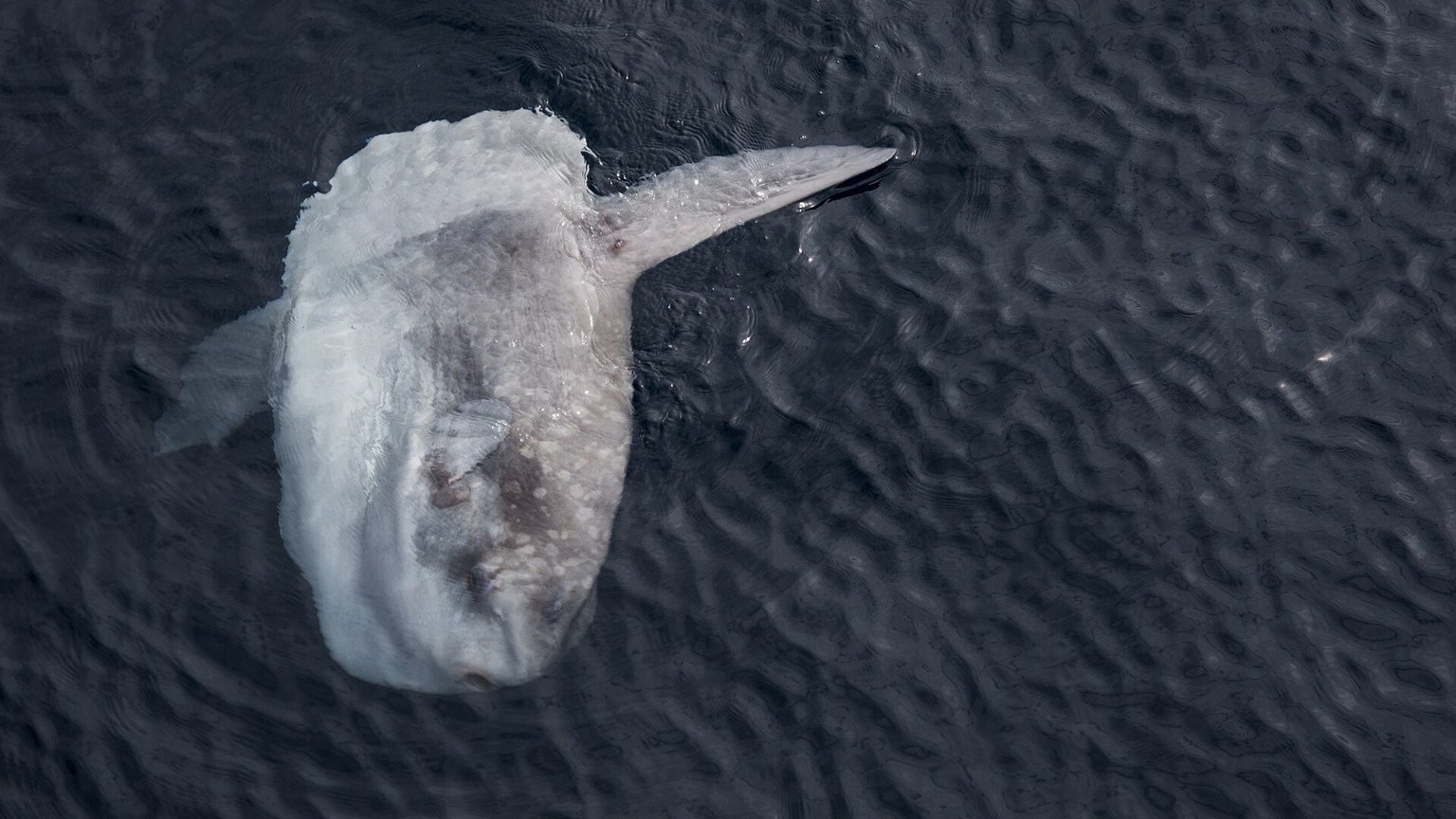
Ocean Sunfish: What Makes This Fish Distinct
Ocean Sunfish belongs on Animal Streets because it gives readers a specific way to understand fish diversity: giant open-ocean fish with a disk-like body, clipped-looking tail region, and surface-basking habit. This guide focuses on the clues that make the animal recognizable, including habitat, body structure, feeding behavior, comparison points, and the visual details that make a useful wildlife or aquarium image.
Taxonomy And Identity
The most memorable cue is living ocean disk, which gives the animal a specific place in the Fish taxonomy. The taxonomy branch is useful when it sharpens the difference created by living ocean disk. Those details give the page a clear reason to exist beside the surrounding taxonomy pages.
It also gives the surrounding Fish taxonomy a more useful rhythm, because every child page teaches a different habit of observation. Comparison is where the page earns its place in the taxonomy. It has turned a name in the Fish taxonomy into a living animal with a distinct structure and story.
Identification And Appearance
Ocean Sunfish is best introduced as giant open-ocean fish with a disk-like body, clipped-looking tail region, and surface-basking habit. Body form and behavior line up here: turns sideways near the surface, visits cleaners, and moves vertically through the water column. The visible anatomy matters because massive flattened body, tall dorsal and anal fins, rough skin, and a reduced tail structure called a clavus supports the way this fish uses temperate and tropical offshore waters, cleaning stations, current lines, and surface-warmed layers.
The name is only the doorway; the stronger explanation is unlike fast jacks, an ocean sunfish looks almost unfinished because the tail is transformed into a rounded rudder. The useful takeaway is how giant open-ocean fish with a disk-like body, clipped-looking tail region, and surface- basking habit turns into a recognizable living animal. Body form, markings, movement, and habitat work together to separate this animal from close relatives and lookalikes.
Anatomy And Adaptations
Body form and behavior line up here: turns sideways near the surface, visits cleaners, and moves vertically through the water column. The animal’s normal behavior is specific: turns sideways near the surface, visits cleaners, and moves vertically through the water column. The posture becomes easier to read when the viewer remembers that it eats jellyfish, salps, small fish, squid, and other drifting prey that suit a cruising ocean browser.
Habitat clues separate this topic from neighbors because unlike fast jacks, an ocean sunfish looks almost unfinished because the tail is transformed into a rounded rudder. Feeding centers on this pattern: eats jellyfish, salps, small fish, squid, and other drifting prey that suit a cruising ocean browser. Behavior explains feeding here because turns sideways near the surface, visits cleaners, and moves vertically through the water column.
Range And Wild Habitat
Ocean Sunfish is best introduced as giant open-ocean fish with a disk-like body, clipped-looking tail region, and surface-basking habit. The most memorable cue is living ocean disk, which gives the animal a specific place in the Fish taxonomy. The name is only the doorway; the stronger explanation is unlike fast jacks, an ocean sunfish looks almost unfinished because the tail is transformed into a rounded rudder.
The useful takeaway is how giant open-ocean fish with a disk-like body, clipped-looking tail region, and surface- basking habit turns into a recognizable living animal. For Ocean Sunfish, water is meaningful because temperate and tropical offshore waters, cleaning stations, current lines, and surface-warmed layers shape feeding access and shelter. Ocean Sunfish is best introduced as giant open-ocean fish with a disk-like body, clipped-looking tail region, and surface-basking habit.
Wild Diet And Feeding
The posture becomes easier to read when the viewer remembers that it eats jellyfish, salps, small fish, squid, and other drifting prey that suit a cruising ocean browser. Feeding centers on this pattern: eats jellyfish, salps, small fish, squid, and other drifting prey that suit a cruising ocean browser. The mouth clue belongs beside massive flattened body, tall dorsal and anal fins, rough skin, and a reduced tail structure called a clavus because anatomy explains food access.
Food availability also shapes the practical context: boat strikes, plastic debris, and bycatch are more important than myths about laziness. The posture becomes easier to read when the viewer remembers that it eats jellyfish, salps, small fish, squid, and other drifting prey that suit a cruising ocean browser. Feeding centers on this pattern: eats jellyfish, salps, small fish, squid, and other drifting prey that suit a cruising ocean browser.
Behavior
Body form and behavior line up here: turns sideways near the surface, visits cleaners, and moves vertically through the water column. The animal’s normal behavior is specific: turns sideways near the surface, visits cleaners, and moves vertically through the water column. Behavior explains feeding here because turns sideways near the surface, visits cleaners, and moves vertically through the water column.
The life-stage takeaway is to read Ocean Sunfish through anatomy, setting, and behavior together. Place, depth, cover, and water movement are not decorative details here; they are part of the evidence that supports the identification and the behavior described on the page. Behavior is easiest to understand when daily movement, social contact, communication, and risk avoidance are considered together.
Reproduction And Life Cycle
Those traits are more reliable than a quick color note because color can change with light, age, stress, breeding, strain, or camera angle. Its daily life is shaped by where it moves, what it eats, how it avoids danger, and how it interacts with other animals. Its daily life is shaped by where it moves, what it eats, how it avoids danger, and how it interacts with other animals.
Ecology And Role In The Environment
The posture becomes easier to read when the viewer remembers that it eats jellyfish, salps, small fish, squid, and other drifting prey that suit a cruising ocean browser. Feeding centers on this pattern: eats jellyfish, salps, small fish, squid, and other drifting prey that suit a cruising ocean browser. Stable details include the relationship between massive flattened body, tall dorsal and anal fins, rough skin, and a reduced tail structure called a clavus and eats jellyfish, salps, small fish, squid, and other drifting prey that suit a cruising ocean browser.
Similar-looking fish can differ sharply when one eats jellyfish, salps, small fish, squid, and other drifting prey that suit a cruising ocean browser and another feeds differently. Jellyfish are important, but its diet includes several soft-bodied and small prey types. Its daily life is shaped by where it moves, what it eats, how it avoids danger, and how it interacts with other animals.
Conservation Status And Threats
Human Relationship
They shape what the fish can eat, where it can rest, how it avoids danger, and what kind of movement is practical. That is especially important on Animal Streets, where the Fish category includes reef animals, aquarium strains, deep- water predators, and open-ocean travelers. This also protects the dropdown boxes from repetition.
They shape what the fish can eat, where it can rest, how it avoids danger, and what kind of movement is practical. That is especially important on Animal Streets, where the Fish category includes reef animals, aquarium strains, deep- water predators, and open-ocean travelers. Its daily life is shaped by where it moves, what it eats, how it avoids danger, and how it interacts with other animals.
Captive Care
Compare carefully: unlike fast jacks, an ocean sunfish looks almost unfinished because the tail is transformed into a rounded rudder. A student may need classification context, an animal lover may want recognition clues, an aquarist or angler may care about practical meaning, and a casual visitor may simply want to understand why the fish looks the way it does. That is especially important on Animal Streets, where the Fish category includes reef animals, aquarium strains, deep- water predators, and open-ocean travelers.
Wild And Captive Variation
Similar Species
The name is only the doorway; the stronger explanation is unlike fast jacks, an ocean sunfish looks almost unfinished because the tail is transformed into a rounded rudder. Habitat clues separate this topic from neighbors because unlike fast jacks, an ocean sunfish looks almost unfinished because the tail is transformed into a rounded rudder. Compare carefully: unlike fast jacks, an ocean sunfish looks almost unfinished because the tail is transformed into a rounded rudder.
Similar-looking fish can differ sharply when one eats jellyfish, salps, small fish, squid, and other drifting prey that suit a cruising ocean browser and another feeds differently. The setting can also prevent mistaken comparisons. Its daily life is shaped by where it moves, what it eats, how it avoids danger, and how it interacts with other animals.
Common Misconceptions
Food availability also shapes the practical context: boat strikes, plastic debris, and bycatch are more important than myths about laziness. The setting can also prevent mistaken comparisons. Boat strikes, plastic debris, and bycatch are more important than myths about laziness.
The practical note for this topic is boat strikes, plastic debris, and bycatch are more important than myths about laziness. Its daily life is shaped by where it moves, what it eats, how it avoids danger, and how it interacts with other animals. Its daily life is shaped by where it moves, what it eats, how it avoids danger, and how it interacts with other animals.
FAQ
Additional Natural History Notes
Ocean Sunfish is best interpreted through habitat, seasonal food supply, movement, social behavior, breeding timing, and the pressures created by predators, competitors, and people. Coat color, limb shape, ears, teeth, and body size connect to how the animal travels, finds food, avoids danger, and raises young. Wild behavior also differs from observations made in parks, zoos, farms, rescue settings, or neighborhoods, where space, diet, risk, and human influence can change daily activity.
A complete account also benefits from scale and season. Many animals change their movements, calls, feeding choices, or visibility as weather, water, prey, nesting sites, or shelter change through the year. Those rhythms can make the same species look secretive in one setting and bold in another. By connecting anatomy, habitat, and seasonal behavior, the animal becomes easier to understand as a living part of its ecosystem rather than a list of isolated facts.
Regional history adds another layer. Islands, mountains, deserts, forests, rivers, and grasslands can isolate populations long enough for small differences in size, color, diet, or behavior to matter. Local names, field reports, museum records, and modern genetic work often fit together slowly, especially when the animal is rare, nocturnal, migratory, or difficult to observe. The strongest interpretation treats those clues as part of one natural history rather than separate trivia.