
Secrets of the Sloth Bear: A Journey into Nature’s Mysterious and Charismatic Wanderer
Hidden within the lush forests and rocky grasslands of South Asia dwells a creature as intriguing as its name suggests—the sloth bear. Often overshadowed by its better-known relatives like grizzlies and polar bears, the sloth bear captivates those who encounter it with its distinctive shaggy coat, lumbering gait, and charismatic behaviors. Renowned for its peculiar habits, incredible adaptability, and integral ecological roles, the sloth bear, scientifically known as Melursus ursinus, presents a fascinating gateway into the wonders of the bear family and the ecosystems they inhabit. Join us on this engaging exploration of the enigmatic world of the sloth bear, uncovering their biology, behaviors, diverse habitats, and the critical roles they play in maintaining ecological balance.
Understanding the Sloth Bear: Biology and Characteristics
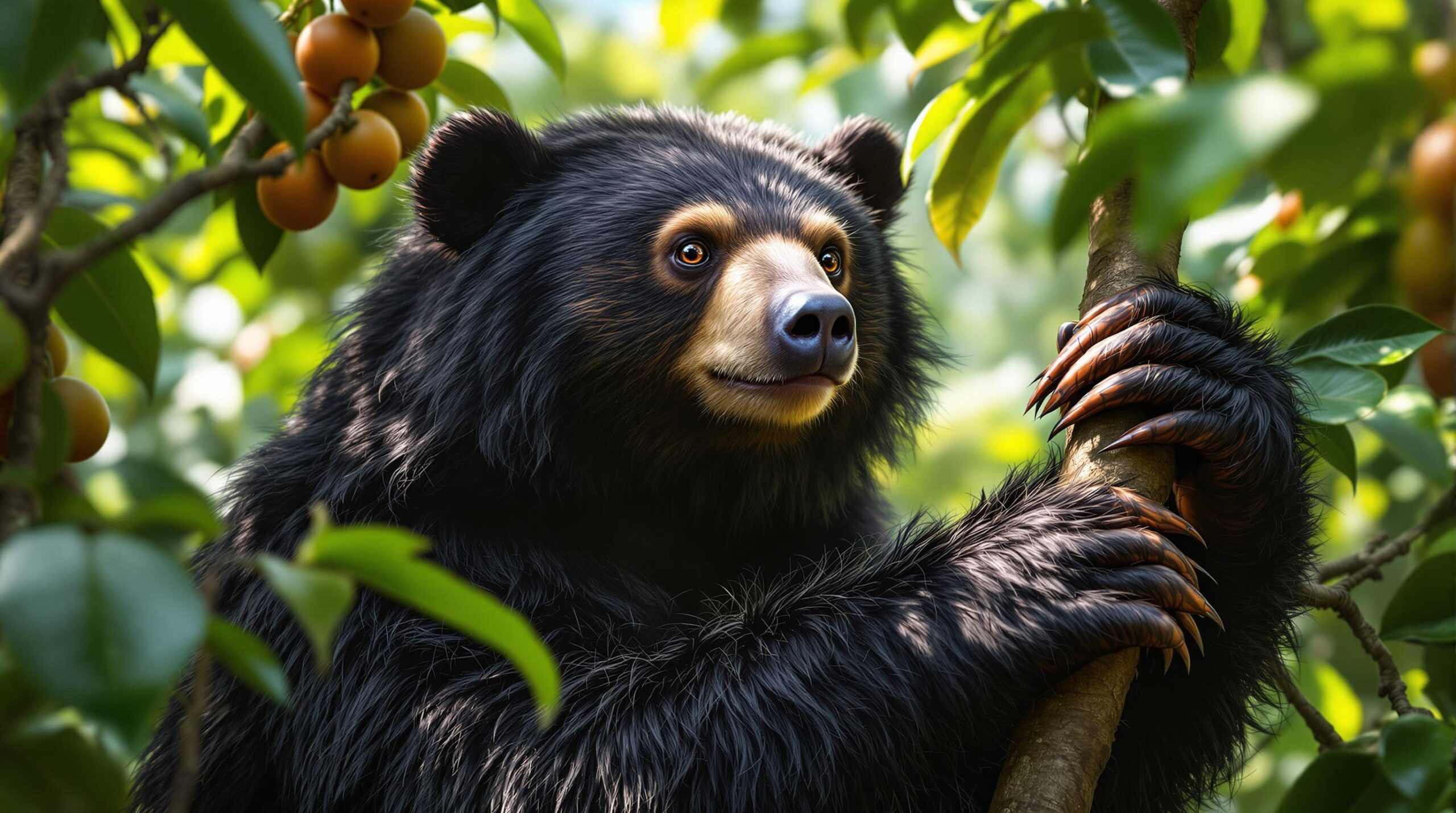
The sloth bear is immediately recognizable due to its shaggy black fur, large pale muzzle, and conspicuous V- or Y-shaped white mark on its chest. Unlike its robust bear cousins, the sloth bear’s lanky frame and unique gait—characterized by slightly curved hind legs—grant it an appearance somewhat reminiscent of a sloth, hence its intriguing name. Adult sloth bears typically weigh between 120 to 300 pounds, with males significantly larger than females. Standing around three feet tall at the shoulder, their body structure perfectly suits their lifestyle of relentless foraging. Perhaps the sloth bear’s most notable biological adaptation is its specialized diet and feeding mechanism. Equipped with powerful forelimbs, elongated, hook-like claws, and a highly flexible snout with mobile lips, the sloth bear is perfectly adapted for its primarily insectivorous diet. This dietary specialization sets it apart from other bear species, which often consume a more omnivorous diet. By expertly tearing open termite mounds or ant colonies, sloth bears use their long, sticky tongues to swiftly devour thousands of insects, making them indispensable controllers of insect populations.
Taxonomy And Identity
Renowned for its peculiar habits, incredible adaptability, and integral ecological roles, the sloth bear, scientifically known as Melursus ursinus, presents a fascinating gateway into the wonders of the bear family and the ecosystems they inhabit. The sloth bear is best understood through its anatomy, habitat, diet, behavior, and place in its ecosystem. The sloth bear is best understood through its anatomy, habitat, diet, behavior, and place in its ecosystem.
Identification And Appearance
Standing around three feet tall at the shoulder, their body structure perfectly suits their lifestyle of relentless foraging. The Indian sloth bear’s nocturnal or crepuscular nature aids its survival, allowing it to avoid daytime heat and potential human interactions. Body form, markings, movement, and habitat work together to separate this animal from close relatives and lookalikes.
Anatomy And Adaptations
Renowned for its peculiar habits, incredible adaptability, and integral ecological roles, the sloth bear, scientifically known as Melursus ursinus, presents a fascinating gateway into the wonders of the bear family and the ecosystems they inhabit. Perhaps the sloth bear’s most notable biological adaptation is its specialized diet and feeding mechanism. Equipped with powerful forelimbs, elongated, hook-like claws, and a highly flexible snout with mobile lips, the sloth bear is perfectly adapted for its primarily insectivorous diet.
Despite their robust stature, Indian sloth bears are adept climbers, often scaling trees to access fruits, honey, and escape predators. Nonetheless, these creatures persist resiliently, embodying the enduring spirit of wildlife adaptation in increasingly anthropogenic landscapes. They also adeptly navigate challenging terrains and limited water sources, emphasizing their adaptability.
Range And Wild Habitat
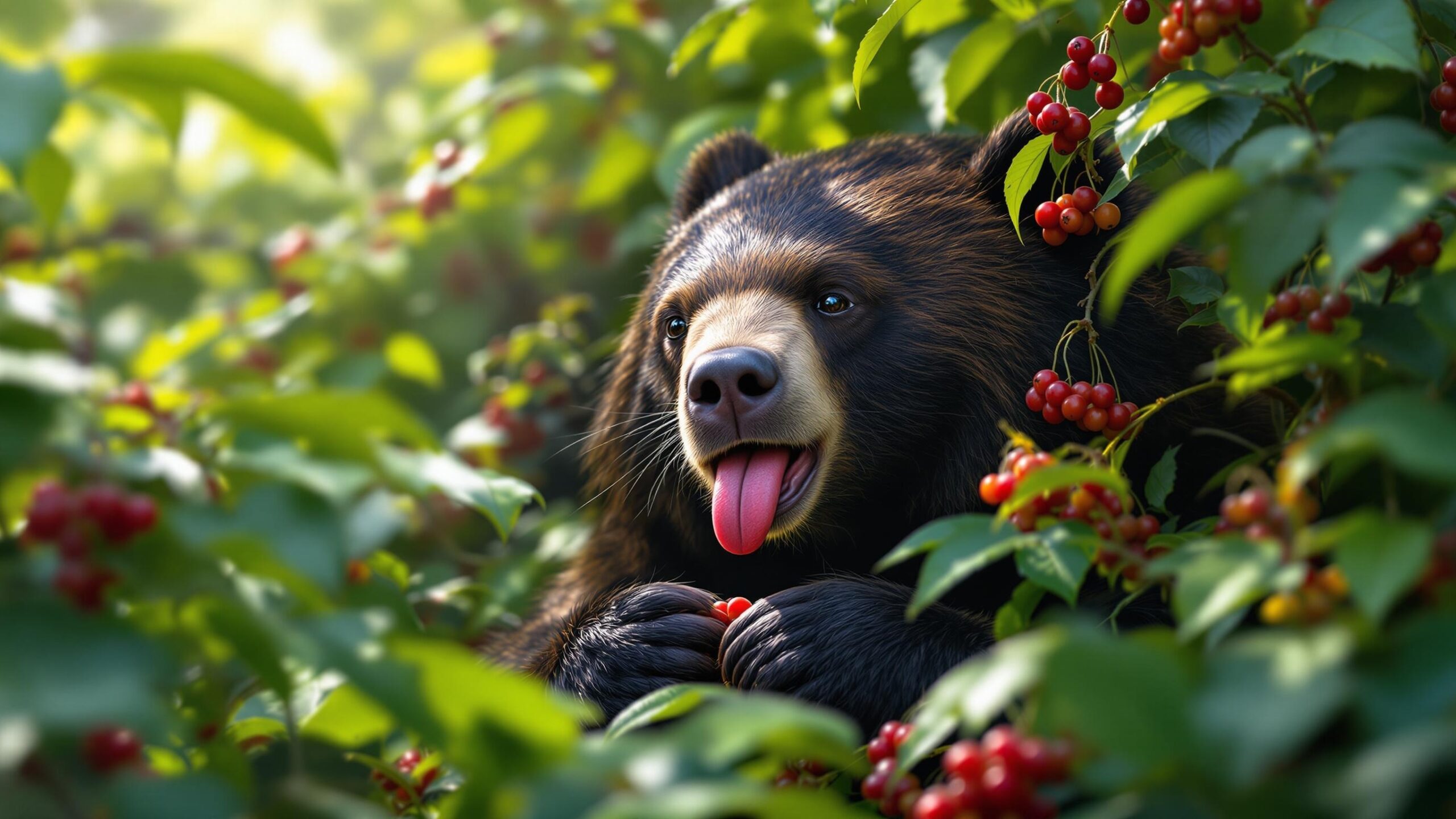
For example, these bears have learned to exploit alternative food resources, particularly Palu fruits, which dominate their diet during fruiting seasons. From land-roaming lions to ocean-gliding whales, from household pets to prehistoric giants, we explore top-rated products for enthusiasts, educators, and animal lovers alike. Join us on this engaging exploration of the enigmatic world of the sloth bear, uncovering their biology, behaviors, diverse habitats, and the critical roles they play in maintaining ecological balance.
These bears favor habitats offering a rich supply of termites, ants, and fruits, providing critical seed dispersal services that contribute significantly to forest regeneration. Yet, with increased deforestation and habitat fragmentation, interactions between humans and sloth bears have grown, often challenging their survival. This habitat context helps separate the animal’s natural setting from zoo, aquarium, farm, or private-care conditions.
Wild Diet And Feeding
Perhaps the sloth bear’s most notable biological adaptation is its specialized diet and feeding mechanism. Equipped with powerful forelimbs, elongated, hook-like claws, and a highly flexible snout with mobile lips, the sloth bear is perfectly adapted for its primarily insectivorous diet. This dietary specialization sets it apart from other bear species, which often consume a more omnivorous diet.
The Indian sloth bear’s nocturnal or crepuscular nature aids its survival, allowing it to avoid daytime heat and potential human interactions. For example, these bears have learned to exploit alternative food resources, particularly Palu fruits, which dominate their diet during fruiting seasons. Their distinctive huffing sound serves both as a warning signal to potential threats and a means of communicating with cubs.
Behavior
Often overshadowed by its better-known relatives like grizzlies and polar bears, the sloth bear captivates those who encounter it with its distinctive shaggy coat, lumbering gait, and charismatic behaviors. Join us on this engaging exploration of the enigmatic world of the sloth bear, uncovering their biology, behaviors, diverse habitats, and the critical roles they play in maintaining ecological balance. The Indian sloth bear’s nocturnal or crepuscular nature aids its survival, allowing it to avoid daytime heat and potential human interactions.
Often overshadowed by its better-known relatives like grizzlies and polar bears, the sloth bear captivates those who encounter it with its distinctive shaggy coat, lumbering gait, and charismatic behaviors. Join us on this engaging exploration of the enigmatic world of the sloth bear, uncovering their biology, behaviors, diverse habitats, and the critical roles they play in maintaining ecological balance. Behavior is easiest to understand when daily movement, social contact, communication, and risk avoidance are considered together.
Reproduction And Life Cycle
Primarily solitary except during mating seasons, these bears display fascinating maternal behaviors. This maternal devotion offers cubs protection from predators like leopards and wild dogs, showcasing a remarkable adaptation to safeguard their offspring in vulnerable stages of life. Its daily life is shaped by where it moves, what it eats, how it avoids danger, and how it interacts with other animals.
Ecology And Role In The Environment
Renowned for its peculiar habits, incredible adaptability, and integral ecological roles, the sloth bear, scientifically known as Melursus ursinus, presents a fascinating gateway into the wonders of the bear family and the ecosystems they inhabit. Join us on this engaging exploration of the enigmatic world of the sloth bear, uncovering their biology, behaviors, diverse habitats, and the critical roles they play in maintaining ecological balance. These bears favor habitats offering a rich supply of termites, ants, and fruits, providing critical seed dispersal services that contribute significantly to forest regeneration.
Despite their robust stature, Indian sloth bears are adept climbers, often scaling trees to access fruits, honey, and escape predators. The Sri Lankan subspecies serves as a powerful symbol of ecological resilience and the importance of habitat conservation on islands. This maternal devotion offers cubs protection from predators like leopards and wild dogs, showcasing a remarkable adaptation to safeguard their offspring in vulnerable stages of life.
Conservation Status And Threats
By expertly tearing open termite mounds or ant colonies, sloth bears use their long, sticky tongues to swiftly devour thousands of insects, making them indispensable controllers of insect populations. The Sri Lankan subspecies serves as a powerful symbol of ecological resilience and the importance of habitat conservation on islands. This maternal devotion offers cubs protection from predators like leopards and wild dogs, showcasing a remarkable adaptation to safeguard their offspring in vulnerable stages of life.
By consuming vast numbers of termites and ants, sloth bears effectively manage insect populations, aiding in the balance of forest ecosystems. This multifaceted ecological impact emphasizes the importance of preserving healthy sloth bear populations and their habitats. Habitat destruction due to agriculture, urbanization, and deforestation remains the leading threat, fragmenting their territories and exposing them to greater risks of conflict with human populations.
Human Relationship
The Indian sloth bear’s nocturnal or crepuscular nature aids its survival, allowing it to avoid daytime heat and potential human interactions. Yet, with increased deforestation and habitat fragmentation, interactions between humans and sloth bears have grown, often challenging their survival. Habitat destruction due to agriculture, urbanization, and deforestation remains the leading threat, fragmenting their territories and exposing them to greater risks of conflict with human populations.
The Indian sloth bear’s nocturnal or crepuscular nature aids its survival, allowing it to avoid daytime heat and potential human interactions. Yet, with increased deforestation and habitat fragmentation, interactions between humans and sloth bears have grown, often challenging their survival. Its daily life is shaped by where it moves, what it eats, how it avoids danger, and how it interacts with other animals.
Captive Care
Sloth Bear is best treated as a wild animal whose needs depend on large habitat space, natural diet, social conditions, and specialist veterinary knowledge. Public education, rescue, rehabilitation, or accredited conservation work may be relevant in some cases, but casual private care is not an appropriate frame. The safest human role is to support habitat protection, responsible viewing, and professional wildlife care when intervention is truly needed.
Wild And Captive Variation
Wild Sloth Bear behavior reflects natural movement, feeding, breeding, and social conditions that cannot be reduced to a simple display setting. Captive or managed observations can help education and science in limited contexts, but they do not replace the ecological complexity of wild habitat. Differences between wild and managed settings are most useful when they clarify welfare, conservation, and natural history.
Similar Species
Unlike its robust bear cousins, the sloth bear’s lanky frame and unique gait—characterized by slightly curved hind legs—grant it an appearance somewhat reminiscent of a sloth, hence its intriguing name. Its daily life is shaped by where it moves, what it eats, how it avoids danger, and how it interacts with other animals. Its daily life is shaped by where it moves, what it eats, how it avoids danger, and how it interacts with other animals.
Common Misconceptions
Often overshadowed by its better-known relatives like grizzlies and polar bears, the sloth bear captivates those who encounter it with its distinctive shaggy coat, lumbering gait, and charismatic behaviors. Renowned for its peculiar habits, incredible adaptability, and integral ecological roles, the sloth bear, scientifically known as Melursus ursinus, presents a fascinating gateway into the wonders of the bear family and the ecosystems they inhabit. Join us on this engaging exploration of the enigmatic world of the sloth bear, uncovering their biology, behaviors, diverse habitats, and the critical roles they play in maintaining ecological balance.
FAQ
What is a Sloth Bear?
Renowned for its peculiar habits, incredible adaptability, and integral ecological roles, the sloth bear, scientifically known as Melursus ursinus, presents a fascinating gateway into the wonders of the bear family and the ecosystems they inhabit. Often overshadowed by its better-known relatives like grizzlies and polar bears, the sloth bear captivates those who encounter it with its distinctive shaggy coat, lumbering gait, and charismatic behaviors. Renowned for its peculiar habits, incredible adaptability, and integral ecological roles, the sloth bear, scientifically known as Melursus ursinus, presents a fascinating gateway into the wonders of the bear family and the ecosystems they inhabit.
How can someone identify a Sloth Bear?
Standing around three feet tall at the shoulder, their body structure perfectly suits their lifestyle of relentless foraging. The Indian sloth bear’s nocturnal or crepuscular nature aids its survival, allowing it to avoid daytime heat and potential human interactions. Renowned for its peculiar habits, incredible adaptability, and integral ecological roles, the sloth bear, scientifically known as Melursus ursinus, presents a fascinating gateway into the wonders of the bear family and the ecosystems they inhabit.
Sources
- https://animalstreets.com/mammals/land-mammals/bears/sloth-bear/ Organization: animalstreets.com Source type: Live page or linked source URL: https://animalstreets.com/mammals/land-mammals/bears/sloth-bear/ Information verified: Used for current-page extraction and source discovery; independent fact verification may still be required. Date checked: 2026-08-27 Reliability notes: Current page / internal source; use for audit context, not independent verification
- https://animalstreets.com/mammals-product-reviews/land-mammals-product-reviews/ Organization: animalstreets.com Source type: Live page or linked source URL: https://animalstreets.com/mammals-product-reviews/land-mammals-product-reviews/ Information verified: Used for current-page extraction and source discovery; independent fact verification may still be required. Date checked: 2026-08-27 Reliability notes: Current page / internal source; use for audit context, not independent verification
- https://animalstreets.com/animal-product-reviews/ Organization: animalstreets.com Source type: Live page or linked source URL: https://animalstreets.com/animal-product-reviews/ Information verified: Used for current-page extraction and source discovery; independent fact verification may still be required. Date checked: 2026-08-27 Reliability notes: Current page / internal source; use for audit context, not independent verification
