
What Makes the Pantanal Jaguar Unique?
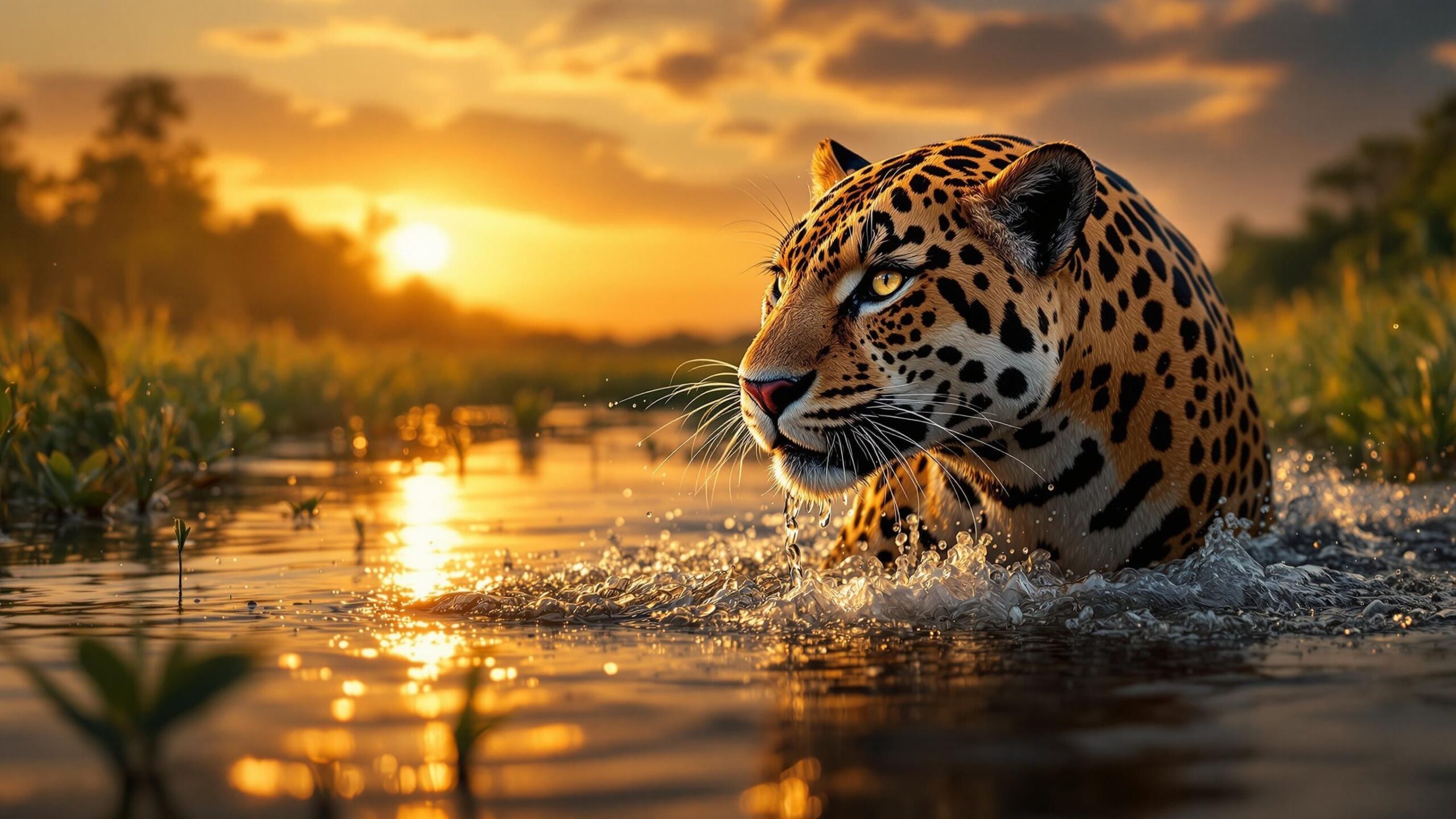
The Pantanal jaguar is not officially classified as a separate subspecies from other jaguars, but it exhibits distinct ecological and physical traits due to its habitat. These jaguars are among the largest anywhere in the species’ range, with adult males sometimes exceeding 100 kilograms (220 pounds). Their powerful builds, stocky legs, and massive heads make them ideally suited for taking down large prey. Their distinctive coat is marked by rosettes—black rings with a central spot—that serve as camouflage among the dappled shadows of forest and floodplain. Their coloration often appears slightly richer and darker than jaguars in drier regions. What truly sets them apart, however, is their behavior: Pantanal jaguars are astonishingly at home in water. While most big cats shy away from swimming, these jaguars embrace it, often swimming across rivers and marshes in pursuit of prey.
A Hunter Like No Other
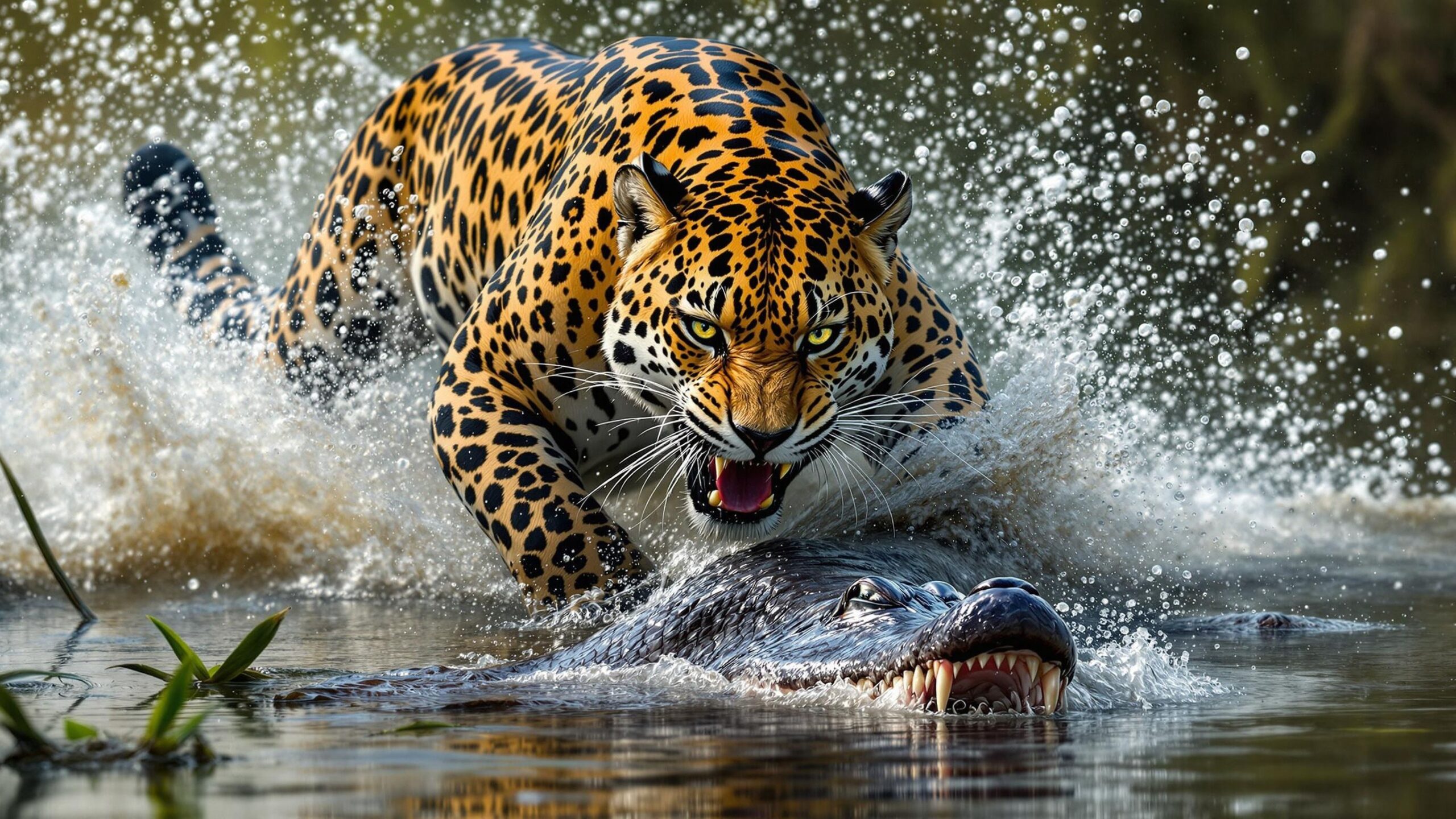
Jaguars are solitary carnivores and rely on strength, stealth, and a sudden ambush to secure their meals. What makes the Pantanal jaguar exceptional is both the size of its prey and its hunting style. While deer, capybaras, and peccaries are typical prey, these jaguars have developed a bold habit of preying on caimans, the region’s native crocodilians.
With a skull structure more robust than that of any other big cat, the Pantanal jaguar has a bite powerful enough to pierce a caiman’s skull. Unlike other cats that suffocate their prey by biting the neck, jaguars deliver a single, crushing bite directly through the skull or spine. This deadly efficiency makes them unmatched among large carnivores. Hunting is mostly done at dawn and dusk, but Pantanal jaguars are not strictly nocturnal. Their visibility in daylight has helped scientists observe and study their behavior more thoroughly than most other wild felines.
Territory, Solitude, and Communication
Like their cousins across the Americas, Pantanal jaguars are solitary creatures. Males maintain territories that often overlap with those of several females, but not with other males. They mark their ranges using scent, claw marks, and even vocalizations, including grunts and roars. Each jaguar requires a large home range to find sufficient food. In the resource-rich Pantanal, those ranges are typically smaller than in more arid regions, thanks to the high concentration of prey. However, they still need tens of square kilometers to roam, mate, and hunt undisturbed. When two jaguars meet—usually a male and female during mating season—their interactions are brief. The mother raises the cubs alone, typically giving birth to one to four cubs after a gestation of about three and a half months. Cubs remain with their mother for up to two years, learning how to hunt and survive in the wild.
Adaptation to a Seasonal World
One of the Pantanal jaguar’s greatest strengths is its adaptability. The Pantanal undergoes dramatic seasonal changes, with a wet season that transforms the landscape into an aquatic labyrinth and a dry season that exposes dusty plains and shrunken riverbeds. During the wet season, jaguars are often forced to move to higher ground as the floodwaters rise. They may be seen swimming between tree-covered islands or hunting near riverbanks and floating vegetation.
Their exceptional swimming skills enable them to exploit a unique niche. Caimans, fish, turtles, and birds all fall within their aquatic hunting grounds. During the dry season, land prey such as capybaras, armadillos, and tapirs become more accessible, and jaguars shift their hunting tactics accordingly. This flexibility not only ensures their survival year-round but also allows them to play an essential role in regulating prey populations and maintaining the balance of the ecosystem.
The Jaguar’s Place in Pantanal Culture
For centuries, jaguars have held a powerful place in indigenous myths, colonial accounts, and Brazilian folklore. To many native cultures, the jaguar was not just an animal, but a spiritual being—a symbol of strength, agility, and mysticism. Known in Portuguese as onça-pintada, the jaguar features prominently in legends as a guardian of the forest or a shape-shifter who walks between the human and spirit worlds. Today, in rural parts of Brazil, the jaguar is both feared and admired. While cattle ranchers have traditionally viewed the jaguar as a threat to livestock, ecotourism and conservation education have started to shift perspectives. The economic benefits of wildlife tourism now offer an incentive to protect rather than persecute these majestic cats.
Living on the Edge: Threats to the Pantanal Jaguar
Despite their strength and adaptability, Pantanal jaguars face significant challenges. Habitat loss is one of the greatest threats, especially as ranching, agriculture, and infrastructure development encroach on the wetland’s delicate ecosystems. The expansion of soy plantations and cattle pastures has led to habitat fragmentation, making it harder for jaguars to roam and reproduce.
Another critical issue is human-wildlife conflict. Though rare, jaguar attacks on livestock can trigger retaliatory killings. In some cases, illegal hunting still occurs, driven by fear, profit, or misguided tradition. Additionally, road networks that slice through the Pantanal can become deadly for jaguars, who may be struck by vehicles or forced to cross perilous terrain. Finally, climate change looms as a long-term threat. Altered rainfall patterns, increased droughts, and extreme fires—like the devastating Pantanal wildfires of 2020—could have severe consequences for jaguar populations and their prey base.
A Conservation Bright Spot
Compared to many regions, the Pantanal represents a relative stronghold for jaguars. This is due in large part to its rich biodiversity, expansive protected areas, and the rise of jaguar-focused ecotourism. Conservation organizations like Panthera, WWF-Brazil, and Onçafari have made impressive strides in protecting the Pantanal jaguar and its habitat. Through GPS tracking, camera trapping, and community engagement, researchers have developed detailed knowledge about jaguar behavior, movement, and threats. Conservation programs now work closely with ranchers to implement non-lethal strategies for managing jaguar-livestock conflict, such as better fencing, night enclosures, and the use of deterrents. Meanwhile, eco-lodges across the region now offer guided wildlife tours, with jaguar sightings as the highlight. The presence of tourists encourages local communities to see the jaguar not as a pest but as a valuable natural asset. These sustainable tourism models have proven successful in raising both awareness and income in the region.
Tracking the Big Cats: Technology and Research
The visibility of Pantanal jaguars has enabled groundbreaking research in the field. Camera traps set along riverbanks and game trails have captured candid footage of jaguars hunting, mating, raising cubs, and interacting with other wildlife. GPS collars provide insights into territory size, movement patterns, and even mating behavior.
These technologies help conservationists not only to understand the jaguar but also to advocate more effectively for land protection, migration corridors, and targeted interventions. Research has also revealed that individual jaguars have distinct personalities and preferences—some are more aquatic, while others focus on terrestrial prey; some roam far, while others stay close to home. Such findings humanize the jaguar and help inspire public empathy, making it easier to rally support for its long-term protection.
A Living Symbol of Wild Brazil
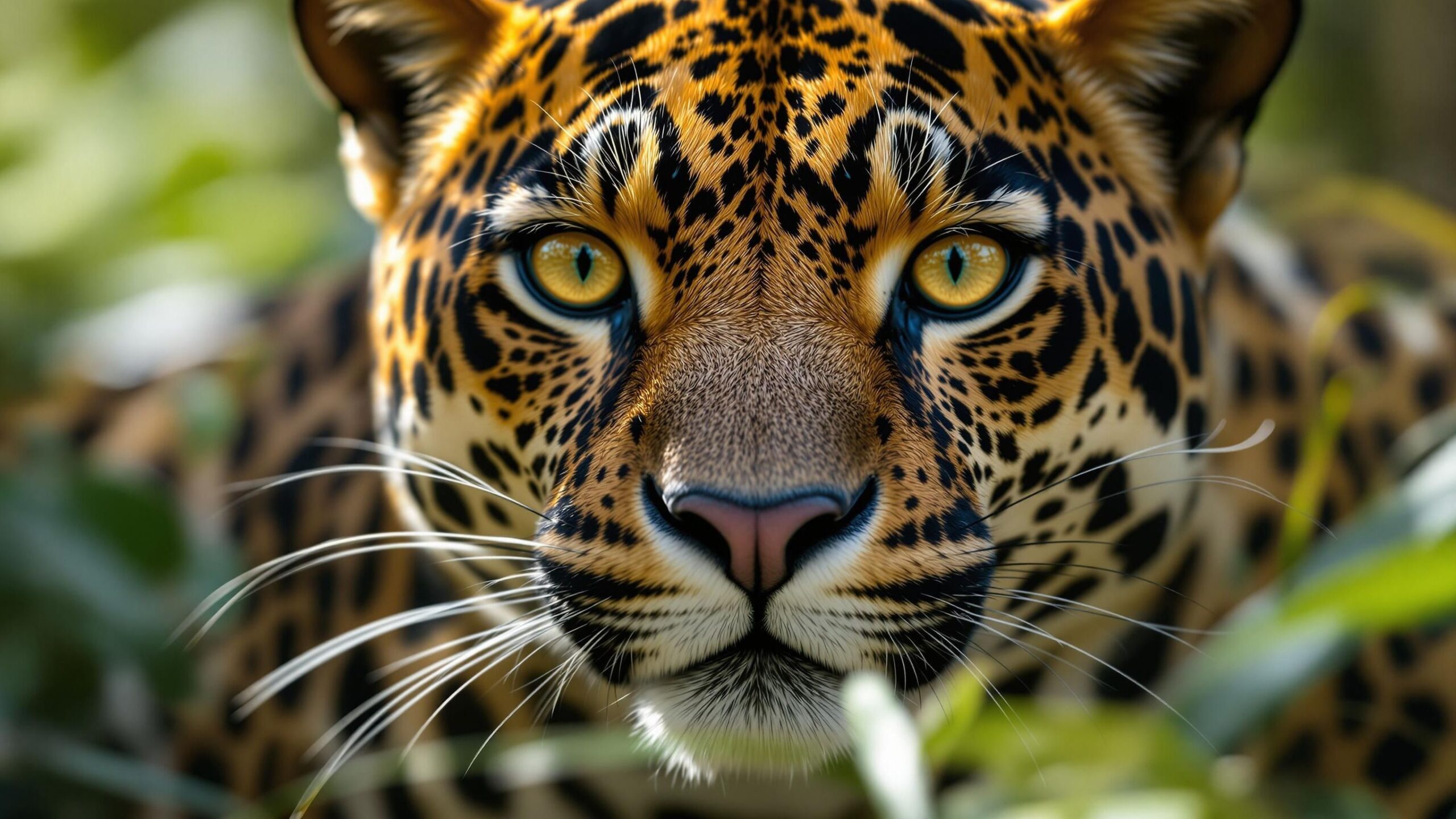
Among South America’s wildlife icons, the Pantanal jaguar stands at the top. It embodies the wild power of nature, the deep cultural history of the region, and the urgent need for harmony between human activity and the environment. While many jaguar populations across the Americas are declining, the Pantanal remains a beacon of hope—a place where big cats still rule the waterways and where their future is being shaped by science, awareness, and passion. To glimpse a Pantanal jaguar in the wild is to witness a creature that is at once ancient and immediate, elusive and unmistakably present. Its spotted coat shimmering in the sun, its muscles rippling with each step—it is the kind of experience that stays with a person for life.
Looking Ahead: Can the Jaguar Continue to Thrive?
The Pantanal jaguar’s continued survival depends on vigilance, cooperation, and innovation. While the region still offers vast stretches of intact habitat, the pressures of development and climate change are increasing. Continued support for protected areas, responsible tourism, and rancher collaboration is essential. But the story of the Pantanal jaguar is far from one of despair. Unlike many critically endangered species, it still has a fighting chance—bolstered by healthy populations, passionate researchers, and a growing global community of supporters. By protecting the Pantanal, we are not only saving a subspecies of jaguar but preserving one of the richest natural treasures on Earth. In doing so, we ensure that the echo of the jaguar’s roar will continue to resonate across the wetlands for generations to come.