
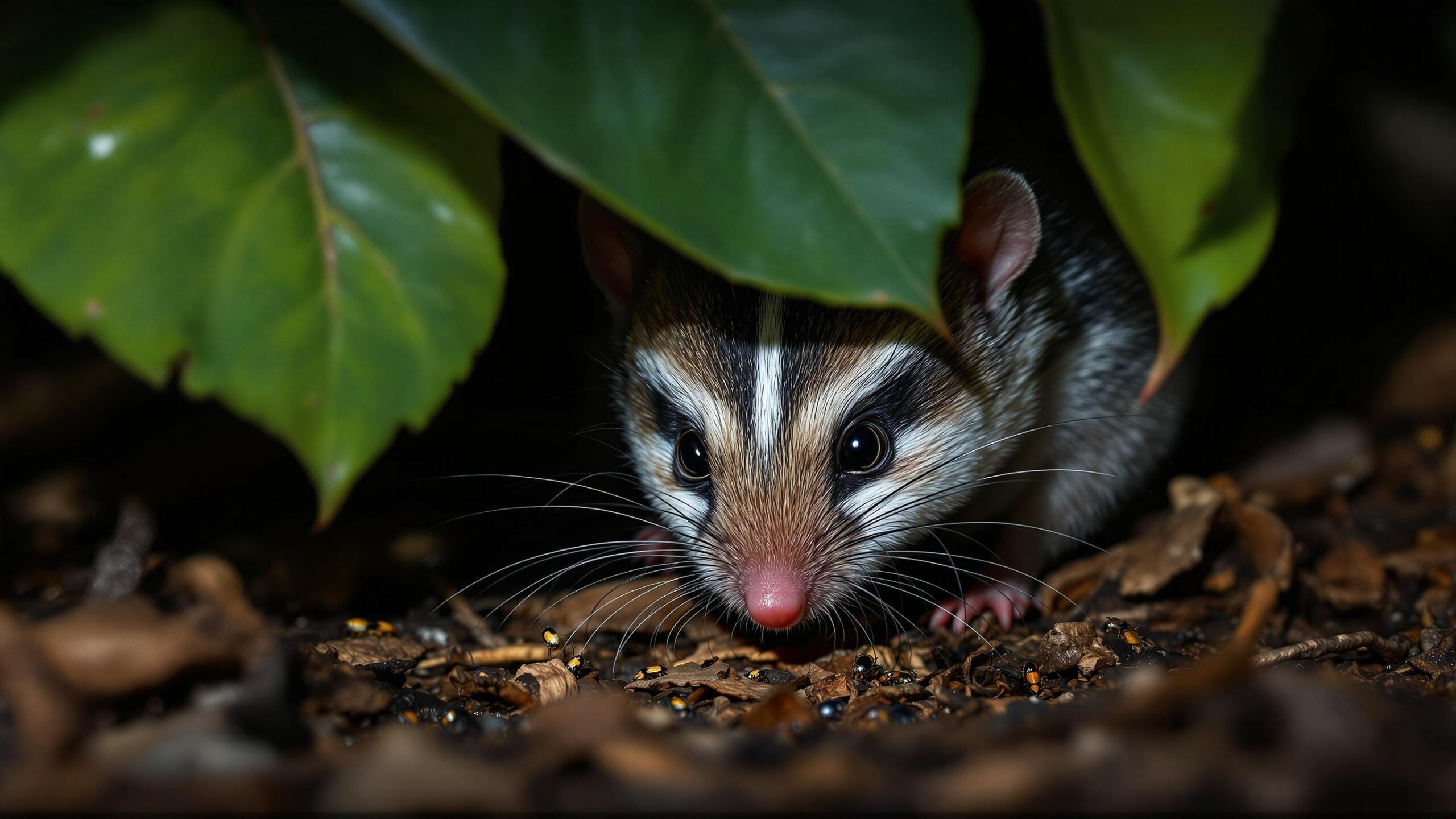
Dunnarts organizes the fat-tailed dunnart profile within the small marsupial branch, using tiny body size, insect hunting, torpor, dry-country shelter, and Australian marsupial reproduction as the main frame.
This page gives readers the dunnart frame before they choose Fat-tailed Dunnart. The main profiles linked from here are Fat-tailed Dunnart, so this overview is written to help readers choose the right next page instead of rereading the same general animal facts.
A: It gives readers a clean overview before they choose among Fat-tailed Dunnart.
A: This page gives readers the dunnart frame before they choose Fat-tailed Dunnart.
A: Australian grasslands, shrublands, dry plains, stony cover, spinifex, hollow logs, cracks, burrows, agricultural edges, and shelter-rich ground where insects and small prey are available.
A: insects, spiders, beetles, larvae, small lizards, tiny vertebrates in some cases, and high-protein prey suited to a small predatory marsupial.
A: Dunnarts are not rodents or tiny mice. They are small carnivorous marsupials, and the fat-tailed dunnart profile needs to be read through pouch biology, torpor, and insect hunting.
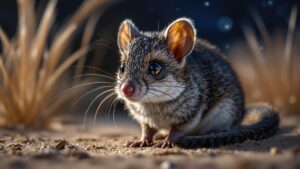
Fat-tailed Dunnart
This Fat-tailed Dunnart guide connects body features, habitat, food, movement, behavior, range, and conservation details with related profiles in the other small marsupials group.
Dunnarts At a Glance
Dunnarts organizes the fat-tailed dunnart profile within the small marsupial branch, using tiny body size, insect hunting, torpor, dry-country shelter, and Australian marsupial reproduction as the main frame. The overview explains why this parent page exists, which linked profiles belong under it, and what readers need to notice before choosing a narrower profile.
The linked profiles are Fat-tailed Dunnart. Those links are not filler. They are the smaller doors that let the reader move from this overview into exact animals, regional forms, or habitat-based groups without losing the thread.
Dunnarts has one direct child right now, so the parent page needs to orient the reader without pretending it has a crowded child list.
What Makes This Page Distinct
A parent page can become bland when it talks only in safe generalities. For Dunnarts, the useful distinction is the tiny carnivorous marsupial branch shaped by night hunting, desert and grassland cover, torpor, insect prey, pouch biology, and fat-tailed dunnart comparison. That phrase gives the article a job: hold the wide view, but keep returning to the details that make this page different from its neighbors.
Dunnarts are not rodents or tiny mice. They are small carnivorous marsupials, and the fat-tailed dunnart profile needs to be read through pouch biology, torpor, and insect hunting. That caution belongs near the top because several of these parent pages sit close together in the taxonomy. If the wording does not separate them, a reader can move from one page to another and feel as if nothing changed.
The direct child is Fat-tailed Dunnart, which makes torpor, fat storage, insects, and dry-country shelter central.
Habitat Gives the Page Its Shape
The habitat frame for Dunnarts includes Australian grasslands, shrublands, dry plains, stony cover, spinifex, hollow logs, cracks, burrows, agricultural edges, and shelter-rich ground where insects and small prey are available. Those places are not background scenery. They decide what food is available, how animals move, how people encounter them, and which conservation problems become most visible.
A better parent page treats habitat as a working system. Forest cover, water access, reefs, wetlands, mountains, den sites, fields, or open ocean all change the article’s logic. When the habitat changes, the animal story changes with it.
Tiny carnivorous marsupial biology, pouch life, nocturnal hunting, and Australian ground cover keep the overview specific.
Movement and Daily Clues
Movement cues include hunting at night, slipping through grass and cracks, using shelters by day, entering torpor, pouncing on insects, carrying young, and moving quickly under cover. These are the details a reader can picture: how the animal crosses a slope, swims through water, climbs, digs, walks, feeds, shelters, or keeps young close. Movement also helps separate close pages that otherwise share a name or family.
Daily behavior is especially important for pages that are often confused with nearby topics. A bear page is not only a bear page if one animal climbs trees and another follows salmon streams. A fish page is not only a water page if one branch is organized by bone and another by cartilage. A frog page is not only an amphibian page if the linked profiles include canopy callers, burrowers, poison species, and odd reproductive strategies.
Human pressure includes habitat clearing, cats and foxes, grazing changes, fire regimes, road mortality, and confusion with ordinary mice.
Food, Season, and Pressure
The feeding frame includes insects, spiders, beetles, larvae, small lizards, tiny vertebrates in some cases, and high-protein prey suited to a small predatory marsupial. Food is one of the fastest ways to make the page feel alive because it explains where the animal goes, when it becomes visible, why it may travel, and how conflict or conservation issues develop.
Season matters too. Many groups change with rainfall, mast crops, breeding periods, migration windows, cold months, hot months, water level, or prey availability. A parent article does not need every calendar detail, but it can make clear that animal lives are not static.
Pressure follows the same pattern. Habitat loss, roads, farms, fisheries, climate shifts, disease, pollution, poaching, tourism, trade, or food conditioning may matter more on one page than another. Strong wording names the relevant pressure instead of dropping the same conservation sentence everywhere.
How To Read the Linked Profiles
The linked profiles under Dunnarts are Fat-tailed Dunnart. Read them as examples of the larger pattern, not as interchangeable labels. Each one adds range, identification, behavior, or conservation detail that the parent page only introduces.
This structure is especially useful when similar names sit near each other. American Black Bears and Asian Black Bears need different frames. African Elephants and Asian Elephants need different frames. Fish and Bony Fish need different frames. Frogs and Toads and Other Frogs & Toads need different frames. The fix is not to make the pages louder; it is to make each page more exact.
A good profile path answers a simple question: “Which page comes next, and why?” If the overview answers that question, the page has done its job.
Identification Without Overpromising
Parent pages can give readers practical clues without pretending to be field guides. For Dunnarts, useful clues come from habitat, body form, movement, feeding style, range, and the profile names. Those clues help readers orient themselves before they look for exact measurements, scientific names, or regional details.
The wording needs more than one-trick identification. Color alone can mislead. Size alone can mislead. A common name can hide unrelated habits or regional variation. The stronger approach is to layer clues: where the animal lives, how it moves, what it eats, when it appears, and which close page gives the narrower answer.
That layered approach also makes the article less repetitive. Instead of leaning on broad template language, the page can show the pattern through visible details.
Human Context
People are part of many Dunnarts stories. That may mean agriculture, roads, aquariums, fisheries, tourism, protected areas, conflict, cultural history, or ordinary backyard encounters. The strongest human context stays plain: what brings people and animals together, what goes wrong, and what helps reduce harm.
The right tone is practical rather than dramatic. A parent page can keep animals from becoming villains, pets, symbols, or scenery. It can explain the contact points that matter: unsecured food, fragmented corridors, harvest pressure, habitat conversion, polluted water, blocked migration, or confusion between similar animals.
When the human context is specific, the page immediately sounds less manufactured. A crop-raiding elephant, a food-conditioned black bear, a frog affected by disease, or a fish shaped by aquarium demand each asks for different language.
Why This Overview Matters
The point of Dunnarts is orientation. The reader leaves with a clearer sense of the page’s scope, the linked profiles below it, and the animal clues that separate it from neighboring parent pages. That is different from stuffing every fact into one article.
This overview also protects the linked profiles from doing too much work. If the parent page explains the map, the linked profiles can focus on the narrower animal stories: exact range, distinctive anatomy, conservation status, behavior, and close comparisons.
For Animal Streets, that makes the taxonomy feel useful instead of mechanical. A reader can arrive at a broad page, understand the page’s angle, and choose the next profile with confidence.
What To Notice Next
The next useful step is to carry one or two concrete questions into the linked profiles. For Dunnarts, a reader might ask how the habitat changes, how the animal finds food, what body clues matter most, and where human pressure becomes part of the story. Those questions keep the reading active instead of turning the page into a static list.
A second question is scale. Some linked profiles describe a continent-wide branch, while others describe a regional form, a species group, an aquarium context, or a special habitat. The parent page makes that scale visible so readers do not expect every link below it to do the same kind of work.
A third question is what not to assume. Do not assume every bear behaves like a brown bear, every elephant uses the same habitat, every frog has the same breeding pattern, or every fish belongs in the same anatomical bucket. The more carefully the reader avoids those shortcuts, the more useful the page becomes.
That is also how these rewrites reduce sameness. The page keeps returning to the animal’s own setting, pressure points, and profile structure. The result feels less like a template and more like a guide written for this specific part of the site.
For a final check, read the page title beside the main habitat and feeding clues. If those details could belong just as easily to a nearby parent page, the wording is too loose. If they point back to Dunnarts and make the profile links feel like a natural next step, the overview is doing useful work.
That standard matters on a large animal site. Readers may open several related pages in one visit, and repeated language becomes obvious fast. Specific wording keeps the site cleaner, helps search engines see real topical separation, and gives visitors a better reason to keep reading.
The result is practical, not fancy: clear distinctions, natural language, and enough animal-specific detail to reward the click.
Dunnarts Details That Keep the Page Specific
Dunnarts are small enough to be mistaken for rodents, but the parent page needs to make the marsupial story clear. Pouch development, carnivorous diet, night hunting, and torpor all separate them from mice.
The fat-tailed dunnart profile gives the branch its current focus. A fat tail can help store energy, and torpor helps a small predator manage dry-country conditions where food may not be steady.
Feeding is active and predatory. Insects, spiders, larvae, and tiny vertebrates make the page feel closer to a miniature hunter than a seed-eating small mammal.
Shelter matters because small bodies lose heat and face many predators. Cracks, grass clumps, burrows, hollow logs, and ground cover create the daily map for dunnarts.
The reader leaves ready to understand Fat-tailed Dunnart through marsupial reproduction, tiny predator behavior, torpor, dry habitat, tail fat storage, and the difference between dunnarts and rodent lookalikes.
Reader Takeaway
Read Dunnarts as a guide to the section’s shape. Start with the habitat, movement, feeding, and caution points on this page. Then move into the linked profiles for the exact animals and local details.
The most important habit is to notice what changes. Does the habitat narrow? Does the diet shift? Does the range move from continent-wide to island-specific? Does human pressure become more direct? Those changes are the reason the parent page exists.
When this overview is doing its job, it does not sound like any other page. It sounds like Dunnarts: the tiny carnivorous marsupial branch shaped by night hunting, desert and grassland cover, torpor, insect prey, pouch biology, and fat-tailed dunnart comparison, connected to Fat-tailed Dunnart, and grounded in the real details that make the group worth reading.
Animal Product Reviews
Dive into Animal Streets’ Animal Product Reviews — your guide to the best gear, gifts, books, and gadgets inspired by the animal kingdom. From land-roaming lions to ocean-gliding whales, from household pets to prehistoric giants, we explore top-rated products for enthusiasts, educators, families, and curious animal lovers.