
Habitat and Distribution: A Creature of the Indian Subcontinent
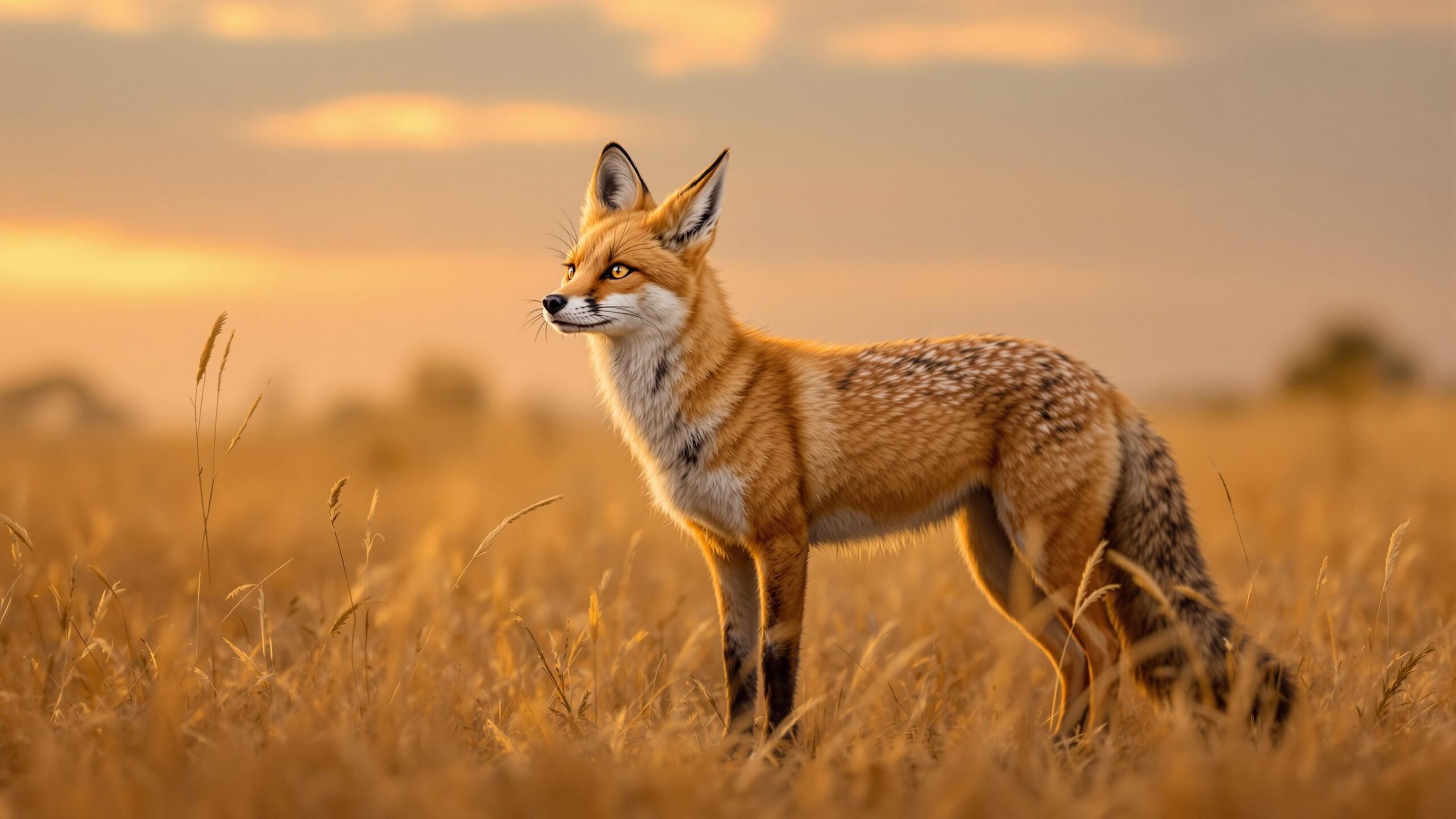
The Bengal Fox is endemic to the Indian subcontinent and is found across large parts of India, Nepal, and Bangladesh, with occasional sightings in parts of southern Pakistan. Its preferred habitats include dry deciduous forests, open grasslands, thorn scrub, semi-desert areas, and agricultural fringes.
This fox is notably absent from dense forests, wetlands, and very high elevations, preferring instead flat to gently undulating terrain with scattered vegetation and open visibility. These open landscapes allow the Bengal Fox to keep an eye out for predators while searching for prey. One of the remarkable aspects of its distribution is its ability to live alongside human-modified environments. Bengal Foxes are often seen near farmlands, on the outskirts of villages, and along roadways where remnants of wild habitats remain. Despite increasing urbanization, this species has managed to persist, though with growing challenges.
Behavior and Social Life: Solitary but Socially Intelligent
Bengal Foxes are generally monogamous, forming breeding pairs that may remain together for several seasons. These pairs will often share a territory that they defend from rival foxes. Unlike wolves or African wild dogs, Bengal Foxes do not live in large packs. However, their social system is more complex than simple solitude. During the breeding season or when raising pups, these foxes show cooperative behaviors, including joint parental care and mutual defense of den sites.
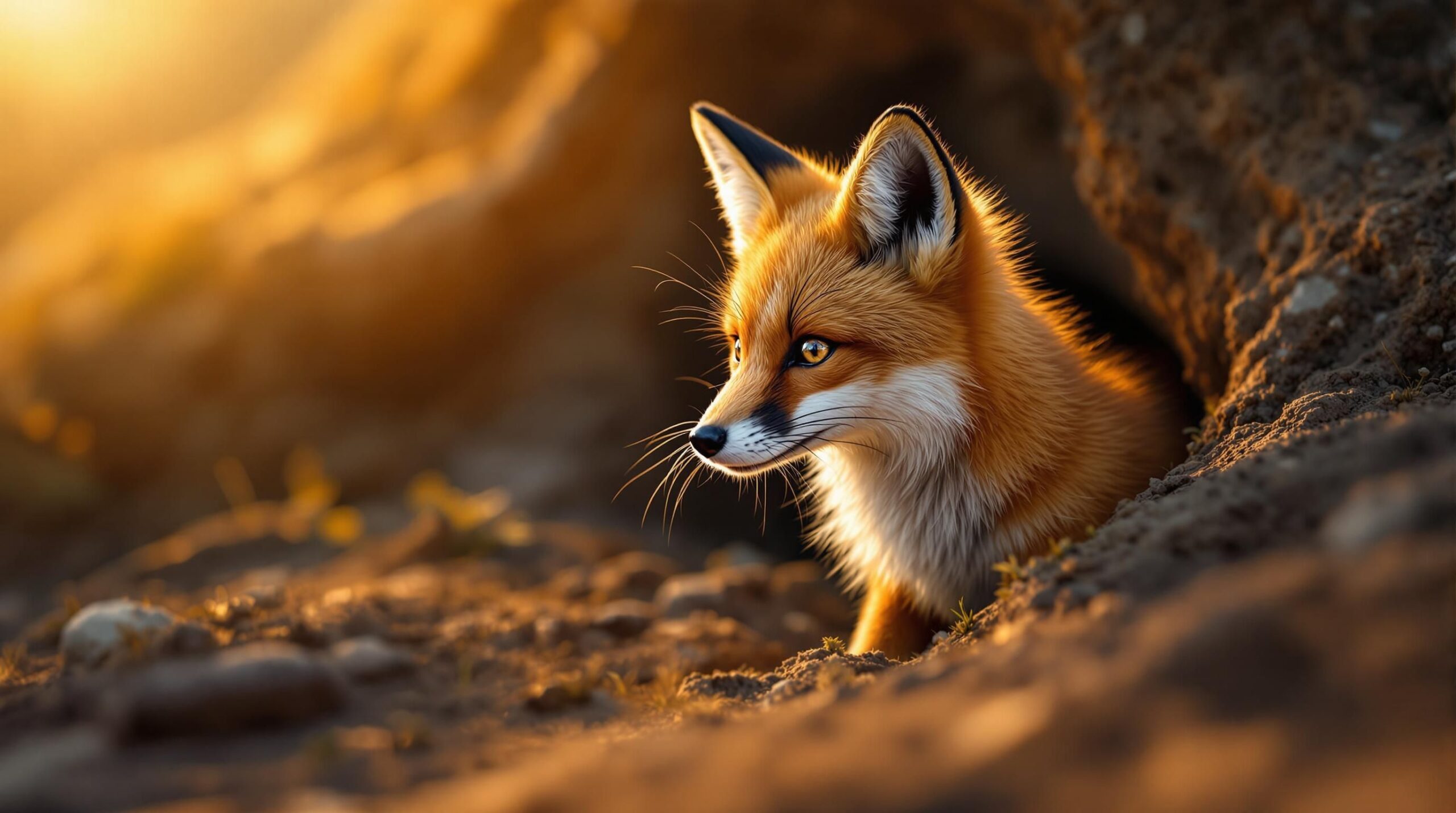
They are crepuscular, meaning they are most active during the dawn and dusk hours. In hotter months, their activity may shift more toward the night to avoid the heat of the day. Bengal Foxes use a variety of vocalizations to communicate, including yelps, whines, and alarm barks. They also rely heavily on body language and scent marking to define territory and express intent. The use of dens is central to the life of the Bengal Fox. These dens are typically dug into soft soil and may have multiple entrances and chambers. Den sites are reused over time, particularly if they are located in undisturbed areas. A breeding pair may dig a fresh den or modify an old one, with the female giving birth and raising the pups inside.
Diet and Hunting Techniques: Opportunistic Omnivores
Bengal Foxes are omnivores with a diet that varies according to season and location. They feed primarily on small mammals such as rodents, hares, and gerbils, but they also consume insects like beetles, grasshoppers, and termites, especially during the monsoon season when insects are abundant. Lizards, birds, eggs, and even carrion may also feature in their menu.
Fruits, berries, and other plant material are often eaten when animal prey is scarce. They have been known to raid agricultural fields for sugarcane or groundnuts and may scavenge food waste near human settlements. This opportunism has allowed them to thrive in relatively degraded ecosystems. Hunting is done with stealth and patience. The Bengal Fox stalks its prey carefully, using its excellent sense of smell and hearing to locate movement. When close enough, it makes a short, swift dash to seize the target. Unlike some larger predators, it rarely engages in long chases.
Reproduction and Lifespan: The Cycle of Life
Mating in Bengal Foxes typically occurs between December and February, with a gestation period of approximately 50 to 60 days. Litters are usually born in March or April, and the average litter size ranges from two to four pups, although larger litters have been recorded in favorable conditions. The pups are born blind and helpless, relying entirely on their mother for the first few weeks. Both parents are involved in raising the young, with the male often bringing food back to the den. By the age of 4 to 5 weeks, the pups begin to emerge from the den and explore their surroundings under close supervision. Weaning occurs at around two months of age, but the pups may stay with their parents for several more months before dispersing. Sexual maturity is reached at about one year of age. In the wild, Bengal Foxes live for up to 6 to 8 years, though most do not survive that long due to natural predators, disease, and human-related threats.
Predators and Threats: Living in a Risky World
Though agile and alert, the Bengal Fox is not without enemies. Natural predators include large raptors such as eagles and owls, as well as carnivorous mammals like leopards, jackals, and feral dogs. However, the most persistent and significant threat to the Bengal Fox today is human activity. Habitat destruction due to agriculture, urbanization, and industrial development is perhaps the largest concern. As open scrublands are converted into farmlands or paved over for infrastructure, the Bengal Fox’s habitat shrinks. Pesticide use also reduces prey availability and may indirectly poison foxes that consume contaminated insects or rodents.
Road mortality is another issue, especially in areas where foxes are active near highways and rural roads. Feral dogs, which often accompany human settlement, can outcompete foxes for food and may also spread diseases like rabies and canine distemper. Occasionally, Bengal Foxes fall victim to traditional hunting or are captured for use in folk medicine or local rituals, although such practices are less common today.
Human Interaction: Misunderstood and Underappreciated
Despite living so closely with human populations, the Bengal Fox remains one of the least understood wild canids in South Asia. In rural folklore, foxes are often portrayed as clever tricksters, but this has not translated into widespread protection or appreciation. In many regions, farmers may see foxes as minor pests, especially if they are found near poultry or small livestock. However, Bengal Foxes rarely cause significant economic damage and in fact offer ecological benefits by controlling rodent populations. In recent years, a few wildlife researchers and organizations have begun advocating for the conservation and study of this native species. Educational outreach, coupled with ecological tourism in protected grassland areas, could help shift public perception toward one of coexistence and stewardship.
Conservation Status: A Species at a Crossroads
The Bengal Fox is currently listed as “Least Concern” on the IUCN Red List, but this designation can be misleading. While the species is still relatively widespread and adaptable, local populations are under increasing pressure. The fragmentation of its habitat and the encroachment of human development are cause for concern, particularly in areas where grassland ecosystems are poorly protected.
India’s protected area network has historically focused on forests and megafauna like tigers and elephants, often neglecting grassland and scrubland ecosystems. As a result, the Bengal Fox—along with other grassland specialists like the Indian Wolf and Great Indian Bustard—faces a precarious future. Conservation efforts for the Bengal Fox are beginning to gain attention, particularly through community-based programs and scientific research. Preserving its habitat, curbing the spread of invasive species, and reducing roadkill mortality are some of the strategies that could aid in the long-term survival of the species.
Cultural and Ecological Significance: A Keystone in the Grassland Web
Although not as revered as other animals in Indian mythology, the Bengal Fox holds an important ecological role. As both predator and scavenger, it helps maintain the balance of prey populations and contributes to nutrient cycling in grassland ecosystems. Its ability to live near human habitation also positions it as a potential ambassador for native wildlife conservation. With the right awareness and support, the Bengal Fox could become a flagship species for the preservation of India’s fast-vanishing open habitats. Moreover, as an endemic species, it serves as a biological marker for the health of South Asia’s unique dry ecosystems. Its decline could signal broader ecological degradation, while its protection could benefit a wide range of flora and fauna dependent on the same habitat.
The Future of the Bengal Fox: A Call for Awareness
The Bengal Fox stands at a crossroads in its evolutionary journey. While it has survived millennia of environmental changes, the modern landscape of rapid development and ecological disregard poses unprecedented threats. Yet, it is not too late. Conservation of the Bengal Fox does not require vast tracts of pristine wilderness or enormous financial investments. Instead, it calls for thoughtful land-use planning, grassroots engagement, and a reevaluation of what types of ecosystems deserve protection. Scrublands and grasslands may not be as charismatic as rainforests or mountains, but they are just as vital—and the Bengal Fox is one of their most iconic residents. As the world turns its attention toward more inclusive and regionally relevant conservation models, the Bengal Fox could step into the spotlight—not as a relic of folklore or a footnote in biodiversity reports, but as a proud representative of the resilient, vibrant landscapes of South Asia.
The Quiet Majesty of Vulpes bengalensis
In the hush of dusk on a dusty Indian plain, a shape flickers between the tall grasses. A bushy tail glints under the fading sun. The Bengal Fox moves with purpose and grace—alert, nimble, and aware of a world that rarely notices it. Vulpes bengalensis is a species of balance—between wildness and civilization, survival and struggle, adaptation and identity. It deserves more than a passing glance. It deserves our curiosity, our respect, and our protection. As we learn more about this elusive fox, we gain not only scientific understanding but also a deeper appreciation for the wild heart that still beats in the shadow of our ever-expanding cities. The Bengal Fox reminds us that even in the most unlikely corners of our world, wildness endures—quiet, graceful, and fiercely alive.