
A Portrait in Pale Tones
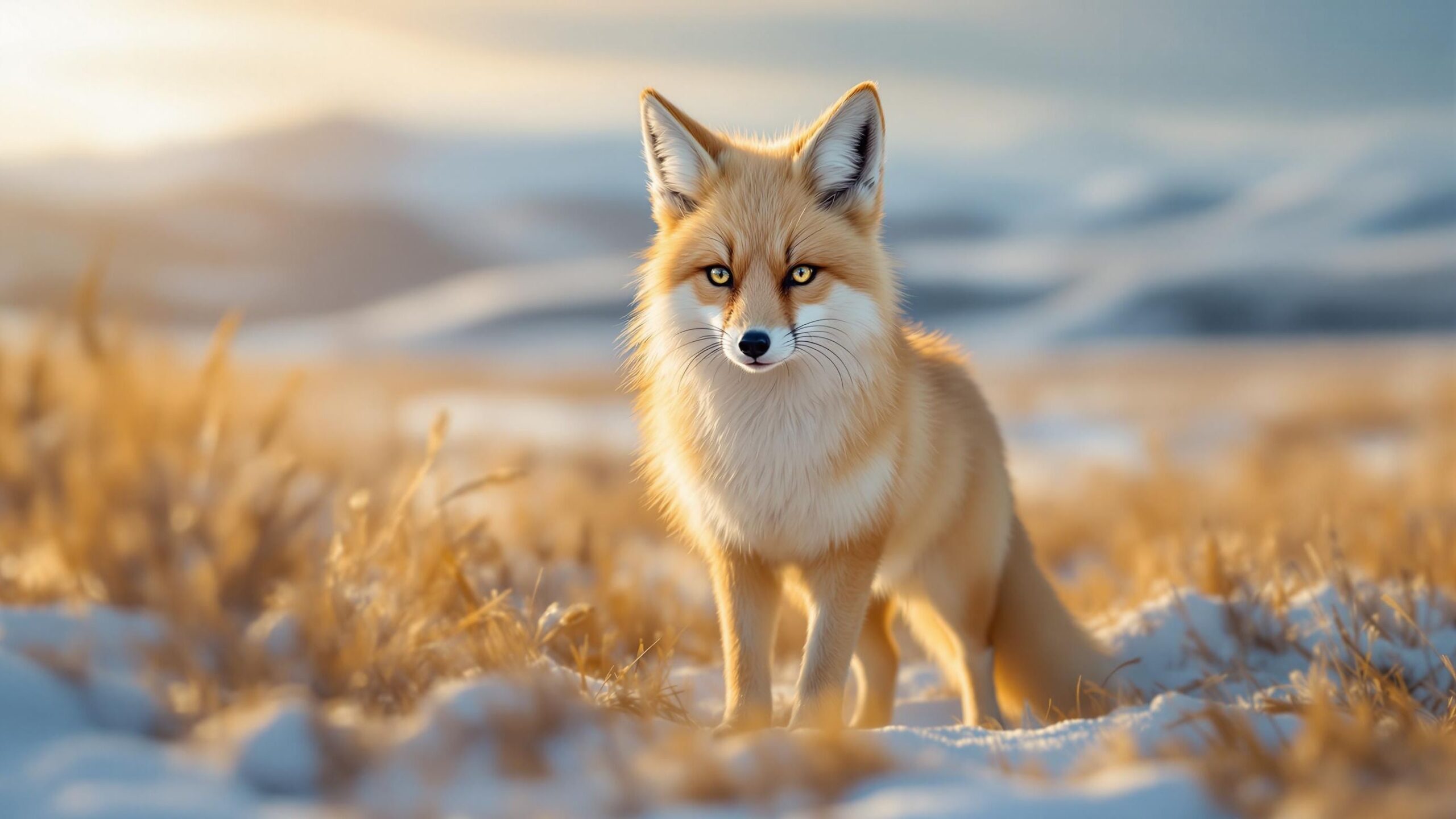
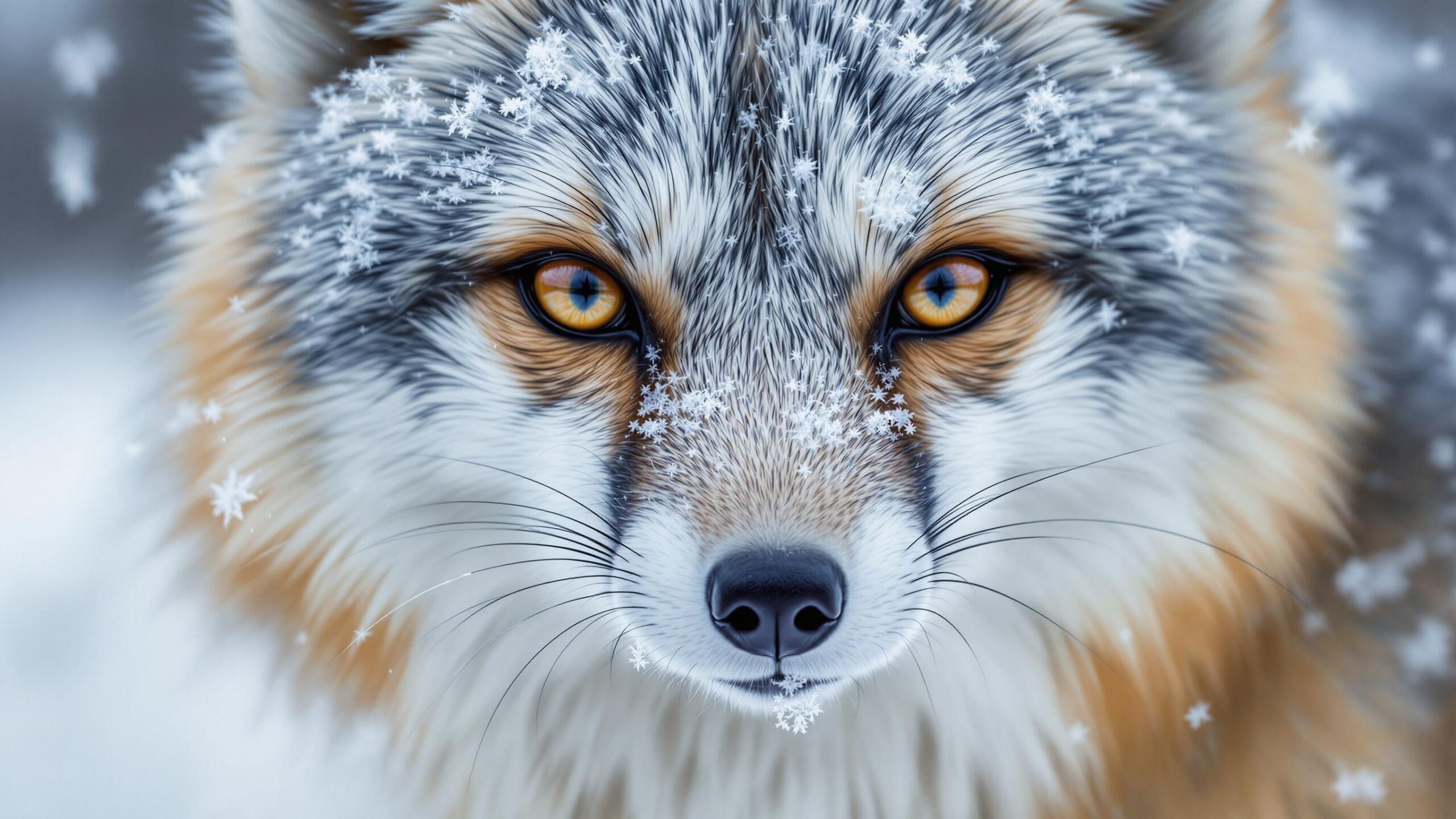
At first glance, the Corsac Fox stands out not through bold coloration, but through the subtle beauty of its muted fur. Its thick coat is typically grayish or sandy in summer, fading to a pale yellow or whitish hue in winter. This seasonal shift helps it blend into the changing landscape, offering camouflage from predators and prey alike. The winter coat, especially, becomes remarkably dense and soft, giving the fox an almost ethereal appearance.
Weighing between 4 to 7 pounds and measuring about 20 to 28 inches in body length—plus a 10 to 14 inch tail—the Corsac Fox is a medium-sized fox, slightly smaller than the Red Fox. Its tail is bushy and tipped with white, while its legs are relatively short, giving it a squat and compact look suited to traversing windswept terrain. Large, oval eyes help the Corsac see well in low light, while its upright ears allow it to catch the faintest sounds on the breeze. Every feature of this fox has evolved to cope with its environment—quiet, calculated, and conservative in energy.
A Master of Adaptation
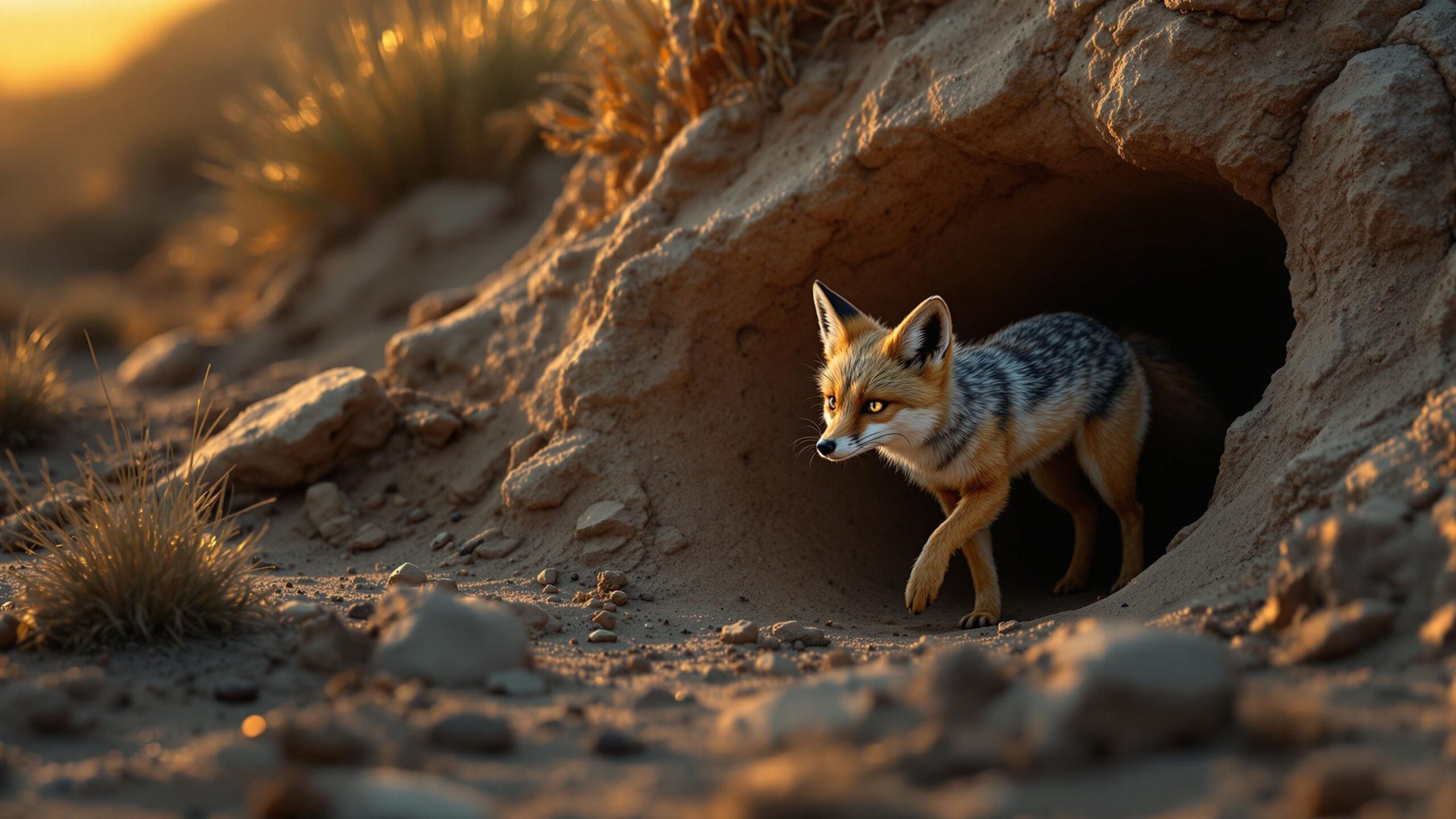
The Corsac Fox is not a particularly fast runner, but what it lacks in speed it makes up for in cunning and endurance. It is primarily nocturnal, hunting at night when the temperature is cooler and its chances of detecting prey are higher. During the day, it often takes refuge in underground burrows to escape the heat and avoid predators. These dens are not always self-dug; Corsacs often repurpose abandoned burrows from other animals like marmots or badgers, a behavior that saves energy and reflects their opportunistic nature. What makes the Corsac unique among many other fox species is its tendency to migrate or travel over large distances in search of food. Unlike more territorial species, Corsacs are known to move widely in response to environmental shifts. When prey becomes scarce or drought conditions persist, they will traverse dozens—even hundreds—of miles to find a more suitable habitat.
A Diet of Opportunity
The Corsac Fox is a carnivore with a versatile appetite. Small mammals make up the bulk of its diet, particularly rodents such as gerbils, hamsters, voles, and ground squirrels. It also preys on birds, reptiles, and insects. In lean seasons, the Corsac supplements its diet with plant matter like berries and grasses, although these are not its preferred food. What sets this fox apart as a hunter is its stealth and patience. It stalks prey carefully and pounces with precision, using its acute hearing and vision to detect movement in the open steppe. During winter, when snow blankets the ground, it may dig through drifts to uncover hibernating rodents—an example of its resourcefulness. Unlike some fox species, the Corsac does not typically cache food, likely due to the open landscape and lack of dense vegetation. Instead, it eats opportunistically, moving frequently and adjusting its hunting strategy based on conditions.
Solitary Yet Sociable
Corsac Foxes are generally solitary or found in small family groups, but they exhibit interesting social behaviors, especially outside of the breeding season. In winter, they may form loosely connected groups or even den communally, sharing space with other foxes for warmth and protection. Communication is subtle but effective. They rely on scent marking to establish territory and convey reproductive status. Vocalizations are relatively rare but can include soft barks, yips, and growls used during mating or to warn off intruders.
Mating season typically begins in January and lasts through early spring. During this time, pairs may stay close together, and males will court females with increased grooming and food-sharing behavior. After a gestation period of about 50 to 60 days, the female gives birth to a litter of 2 to 6 kits, although larger litters have been recorded in ideal conditions. Kits are born blind and helpless, relying on their mother’s warmth and nourishment for several weeks. As they grow, the father often plays a role in provisioning food, and by summer, the young are usually ready to disperse and begin life on their own.
Habitats of the High Plains
The Corsac Fox is tightly bound to the ecosystem of the Central Asian steppe. This habitat—vast, treeless, and prone to dramatic seasonal swings—defines everything about the fox’s biology and behavior. Here, shelter is scarce, water is limited, and survival depends on keen instincts and relentless adaptability. Unlike forest foxes, Corsacs have few natural hiding places, so they rely heavily on dens and terrain features like rocky outcrops or shallow depressions. Their low profile and sandy coloration help them remain undetected by both predators and prey. The open steppe also necessitates a high degree of mobility. Corsacs do not establish rigid territories, and they rarely engage in direct conflict over land. Instead, they adjust their ranges seasonally, drifting where food and shelter can be found. In this way, they mirror the nomadic traditions of the region’s human inhabitants—a harmony between movement and survival.
Predators and Natural Challenges
Despite its cunning, the Corsac Fox faces numerous threats in the wild. Natural predators include golden eagles, wolves, and large birds of prey, particularly those that patrol the skies above the steppe. Young kits are especially vulnerable and must be closely guarded during their early weeks of life. Environmental extremes pose another significant challenge. Summers can be blisteringly hot, and winters are frigid and snowy. Droughts can reduce prey populations dramatically, forcing the foxes to travel long distances in search of sustenance. Disease and parasites also take their toll. Like other wild canids, Corsacs are susceptible to rabies, mange, and distemper—conditions that can spread rapidly in den-sharing populations or during times of stress.
Relationship with Humans
The Corsac Fox has a complicated but generally unobtrusive relationship with people. Historically, it was hunted for its fur, which is particularly soft and thick during the winter months. Though not as commercially prized as other fox pelts, Corsac fur was exported in large quantities during the Soviet era. Today, regulated hunting still occurs in some areas, but the demand for fur has decreased, and many former hunting grounds now lie within protected areas or reserves. In agricultural zones, Corsacs may be viewed as minor pests, although they rarely cause significant damage.
Importantly, the Corsac Fox poses little threat to livestock or humans, and it is not known to raid poultry farms or enter human dwellings like some urban-adapted fox species. It tends to avoid human settlements and sticks to the open range, keeping its presence subtle and discreet. In recent years, wildlife photographers and eco-tourists have begun to show growing interest in the Corsac Fox, especially in Mongolia and Kazakhstan. Its elusive nature makes sightings rare but rewarding, and it has become a kind of “hidden gem” for travelers seeking an authentic connection with Central Asia’s wild landscapes.
Conservation: Cautiously Stable
The Corsac Fox is currently listed as a species of “Least Concern” by the International Union for Conservation of Nature (IUCN). Its population is believed to be stable across most of its range, and it benefits from the sheer scale and remoteness of its natural habitat. That said, local populations can fluctuate greatly depending on environmental conditions. Harsh winters, prolonged droughts, and reductions in rodent prey can cause temporary declines. Habitat degradation, overgrazing by livestock, and steppe fragmentation through human development also pose potential long-term risks.
Conservationists stress the importance of monitoring populations and preserving large expanses of steppe ecosystem. Efforts to maintain protected areas, reduce overhunting, and educate local communities about sustainable wildlife management all contribute to the Corsac’s continued well-being. Unlike many endangered species, the Corsac Fox is not in immediate peril—but like the winds of the steppe, its fate can change direction quickly.
A Fox in the Shadows
What makes the Corsac Fox so intriguing is not just its beauty or its adaptability, but its ability to remain largely unknown despite occupying such a vast region. It moves silently through lands that have remained relatively unchanged for millennia, keeping its distance and rarely crossing paths with humans. It doesn’t seek the spotlight, doesn’t adapt to cities, and doesn’t beg for scraps. It is a creature of wild spaces, of starlit skies and endless horizons. In many ways, the Corsac Fox is a living embodiment of the steppe itself—resilient, understated, and quietly majestic. Its existence reminds us that the natural world is full of species that don’t demand attention but still deserve respect and protection. Not every animal needs to roar, leap, or dazzle to be remarkable. Some, like the Corsac Fox, captivate with stillness, with subtlety, and with survival.
The Spirit of the Steppe
The Corsac Fox, Vulpes corsac, is a master of endurance, a quiet navigator of one of the planet’s most extreme landscapes. From its stealthy movements to its cloud-soft fur and ancient lineage, it represents an enduring connection to the wild heart of Central Asia. While its future appears stable, the Corsac’s continued survival depends on the health of the steppe ecosystem—an environment increasingly impacted by climate shifts, development, and industrialization. By protecting this habitat, we safeguard not only the Corsac Fox but the entire web of life that calls the steppes home. As a species that asks for little yet contributes much to the balance of its world, the Corsac Fox deserves recognition not for its fame but for its role as a quiet steward of the grasslands. To know the Corsac is to understand that some of nature’s greatest stories are whispered on the wind, carried on the paws of creatures that never stop moving.