
Physical Characteristics
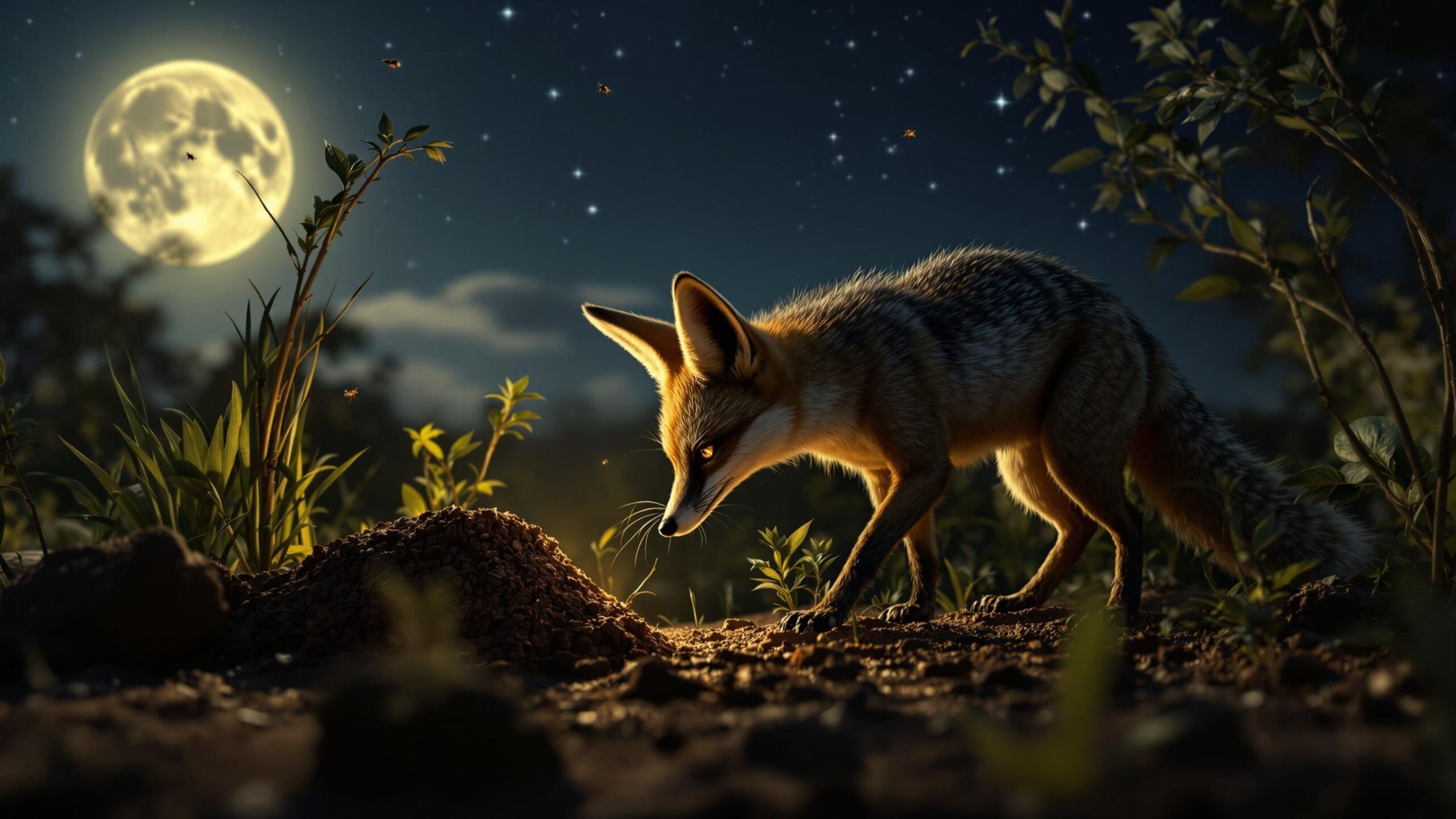
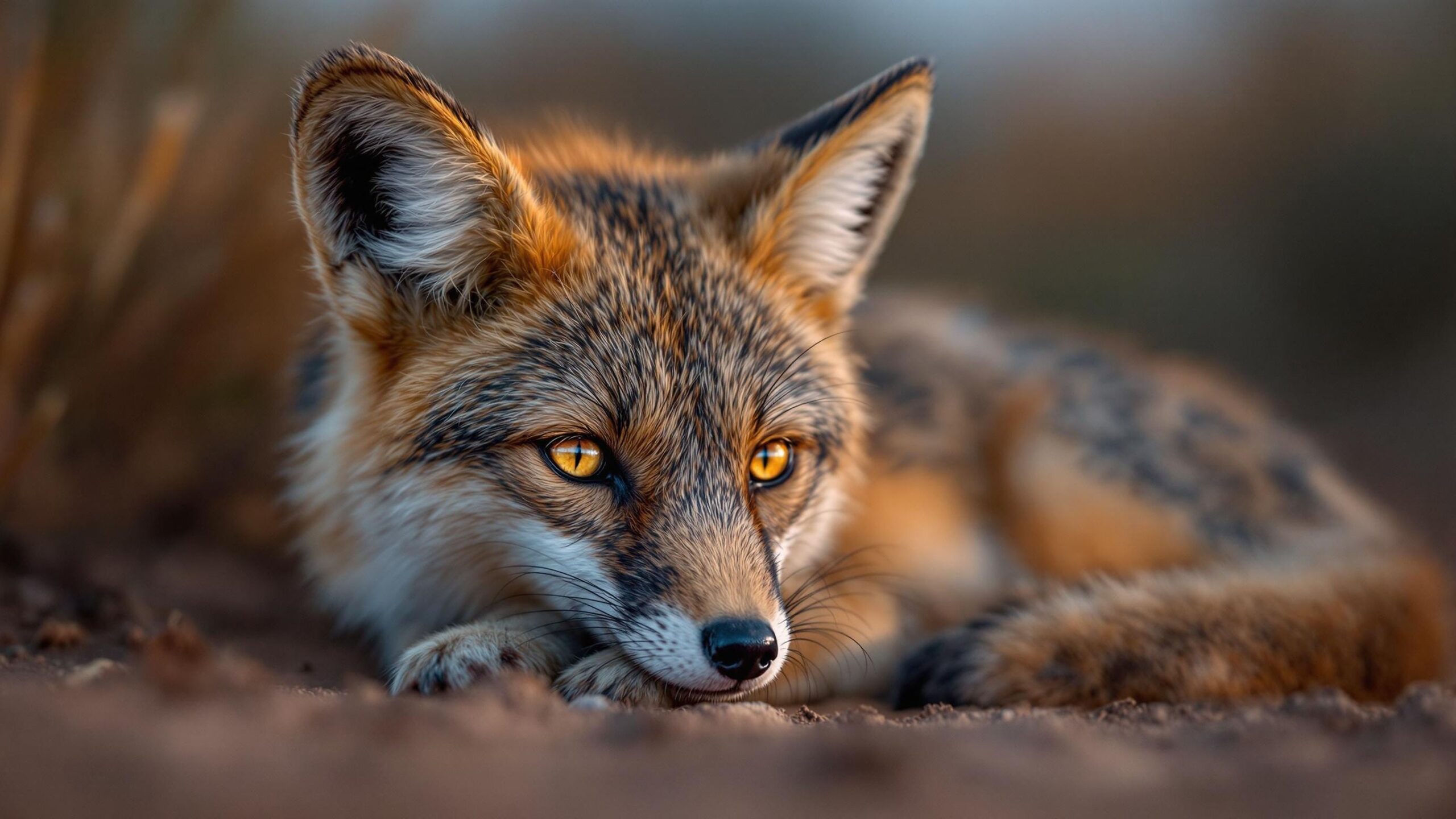
The Hoary Fox stands out for its petite stature and fine-boned appearance. Adults typically weigh between 4 to 5 kilograms (9 to 11 pounds) and measure about 60 to 70 centimeters (24 to 28 inches) in body length, with an additional 25 to 30 centimeters (10 to 12 inches) for the tail. Its most striking feature is its fur: soft, dense, and silver-gray with darker tones along the back and lighter hues on the belly and limbs. The tail is notably bushy with a dark tip. The Hoary Fox has large, expressive ears and a pointed muzzle, which contribute to its foxlike look, though its genetics place it closer to South America’s other wild canids than to the classic red fox. This coat not only provides excellent camouflage in the dry grasslands but also reflects the evolution of the species to suit its hot, open environment.
Behavior and Temperament
The Hoary Fox is a creature of the dusk and dark. It is primarily nocturnal, emerging from rest to forage and hunt during the cooler hours of the evening and early morning. During the day, it shelters in burrows, thickets, or natural hollows, staying hidden from both predators and the searing tropical sun. This fox is solitary for much of the year but becomes more social during the mating season. Pairs may be seen together, and once pups are born, both parents help in rearing them. Unlike some of its more aggressive or territorial cousins, the Hoary Fox tends to be shy and non-confrontational. Its vocalizations are limited but include soft yips and whines used for communication between mates and family groups.
Diet: An Insect-Lover’s Menu
Unlike many other canids that rely heavily on meat or scavenging, the Hoary Fox is an insectivore by preference. Termites, beetles, ants, and grasshoppers make up the bulk of its diet, supplemented by the occasional small mammal, bird, amphibian, or fruit. This specialization in insects has helped the Hoary Fox carve out a unique ecological niche in the Cerrado. During the wet season, termite mounds become treasure troves of protein, and the foxes are often observed delicately prying open soil or bark to extract their prey. In the dry season, fruits like those from the pequi or guava trees provide hydration and nutrition. Its small, sharp teeth and agile tongue are adapted perfectly for capturing small invertebrates, and its light body allows it to move quickly and quietly through low vegetation.
Range and Habitat
The Hoary Fox is found almost exclusively in Brazil, with its primary stronghold in the Cerrado biome, one of the most extensive tropical savannas in the world. This biome covers about 20% of Brazil’s land area and is characterized by a mix of open grasslands, shrublands, and scattered trees. Occasional sightings have been reported in parts of eastern Bolivia and northern Paraguay, but these remain unconfirmed and may reflect transient individuals or misidentifications of similar species. The species favors open habitats with sparse tree cover, avoiding the dense forests of the Amazon and Atlantic coastal regions . It is particularly abundant in areas that have not been heavily altered by agriculture or urban development, although it has shown some ability to adapt to fragmented landscapes.
Reproduction and Lifespan
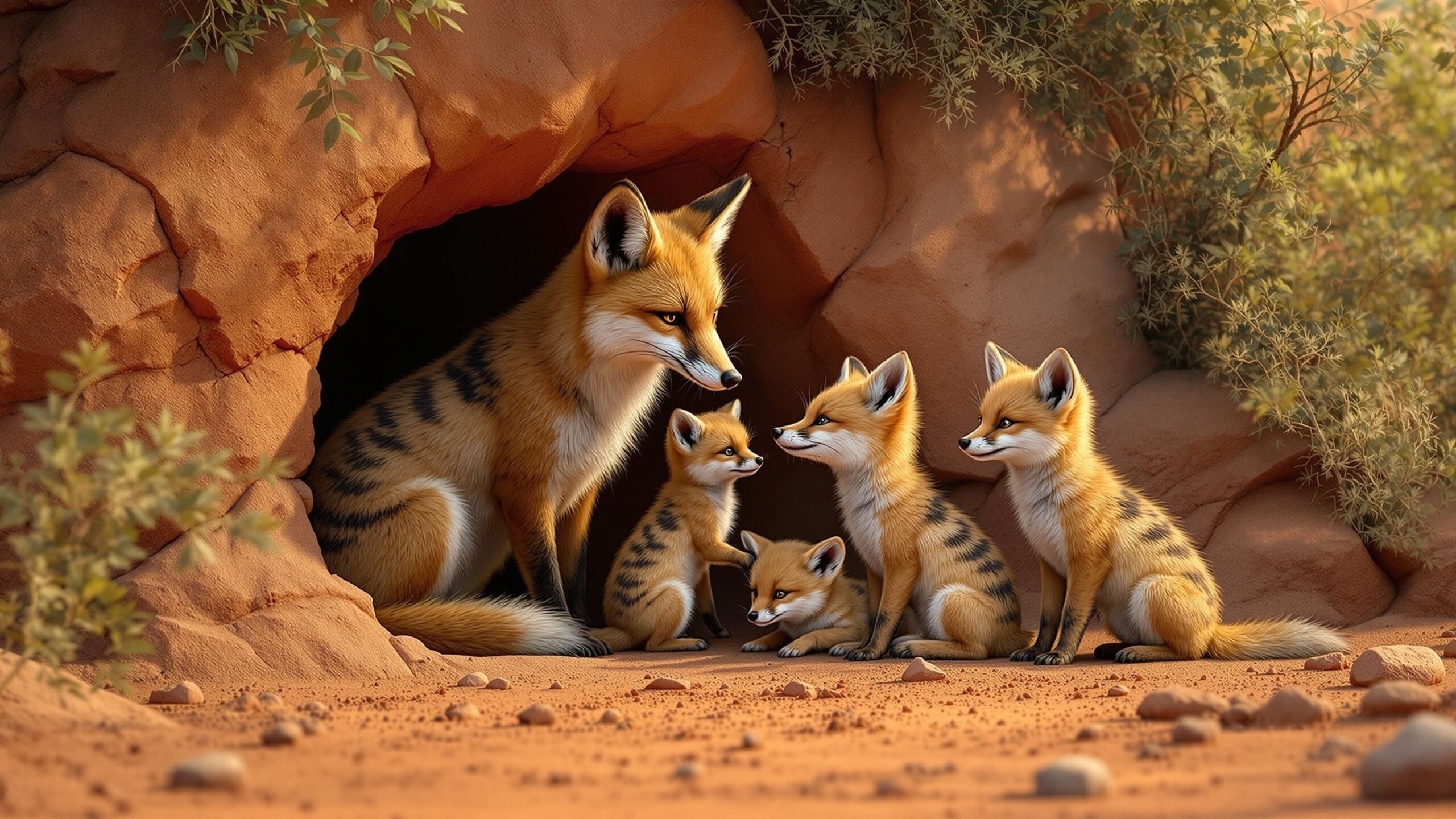
Mating for the Hoary Fox usually occurs during Brazil’s rainy season, between November and January. After a gestation period of approximately 50 to 60 days, the female gives birth to a litter of two to four pups in a well-hidden den. These dens may be dug by the parents themselves or taken over from armadillos or other burrowing animals. Pups are born blind and helpless but grow rapidly, emerging from the den at about a month old and beginning to forage with their parents shortly afterward. Both mother and father participate in raising the young, bringing back insects and fruit to the den and protecting them from potential threats. By the time they are three to four months old, the pups begin to disperse and establish their own territories. In the wild, Hoary Foxes are believed to live around 6 to 8 years on average, though detailed lifespan studies remain limited.
Ecological Role
Despite their small size and understated presence, Hoary Foxes serve an important ecological function. Their insect-heavy diet helps regulate populations of beetles and termites, which can otherwise damage crops or contribute to the spread of disease. They are also seed dispersers, particularly for native fruiting plants. By consuming fruits and defecating the seeds at distant sites, Hoary Foxes contribute to the health and diversity of plant communities in the Cerrado. Their prey and foraging behaviors indirectly influence other animal populations, and they themselves are prey for larger predators such as jaguars, pumas, and large raptors.
Threats and Conservation Status
As of the most recent assessments, the Hoary Fox is classified as Near Threatened by the IUCN Red List. While not immediately endangered, the species faces growing pressure from habitat destruction, especially due to agricultural expansion, cattle ranching, and urban sprawl in Brazil. The Cerrado biome is one of the most rapidly changing landscapes in South America, with significant portions already converted to soy and corn plantations. As their habitat shrinks and fragments, Hoary Foxes are forced into increasingly smaller and more isolated populations, which affects their genetic diversity and long-term survival prospects.
Another growing concern is the threat of disease transmission from domestic dogs, which can introduce viruses like canine distemper and parvovirus into wild populations. Road mortality and illegal hunting, though less common, also contribute to localized population declines. Conservation efforts for the Hoary Fox are largely indirect at present, relying on broader environmental protections for the Cerrado region. Preserving native savanna landscapes, promoting sustainable land use, and educating communities about the importance of native wildlife are all key components of long-term conservation success.
Adaptability and Human Coexistence
One advantage the Hoary Fox has over some other native species is its relatively high level of adaptability. While it prefers natural savannas, it has been found in pasturelands and even near rural communities, especially where food sources like insects and fruit trees are still available. This adaptability, however, is not limitless. The fox still requires corridors of safe, undeveloped land to move between foraging and breeding sites. Conservation strategies that include agroforestry, wildlife corridors, and native vegetation buffers may help ensure that human development does not entirely exclude these foxes from large portions of their historical range. Cultural attitudes toward the Hoary Fox tend to be neutral or mildly positive. Unlike some predators that raid livestock or poultry, the Hoary Fox is too small and insect-focused to pose much of a threat. As such, it has not been the target of widespread persecution, which bodes well for its future in human-dominated landscapes.
Research and Ongoing Studies
Because the Hoary Fox is difficult to observe in the wild and has historically received less attention than larger carnivores, many aspects of its life history remain poorly understood. However, recent years have seen a growing interest in this species, driven by its ecological importance and the growing recognition of the Cerrado as a biodiversity hotspot. Radio-collaring studies have begun to shed light on the fox’s range sizes and movement patterns, revealing that individuals may patrol territories of up to several square kilometers. Camera traps, scat analysis, and GPS telemetry are helping scientists better understand its behavior, diet, and interactions with other species. One fascinating area of study involves its interactions with other native canids, such as the crab-eating fox (Cerdocyon thous). Although both species share habitats, they tend to avoid direct competition by adopting different diets and foraging schedules—another example of ecological partitioning in the wild.
The Cerrado Connection
To understand the Hoary Fox is to appreciate the richness and fragility of the Cerrado biome itself. Sometimes overshadowed by the Amazon Rainforest, the Cerrado is, in fact, one of the most biodiverse savanna ecosystems in the world. It hosts over 10,000 plant species and is home to iconic animals such as the maned wolf, giant anteater, and armadillo. Yet despite its ecological value, the Cerrado is under intense threat from industrial agriculture and poor land management. Protecting species like the Hoary Fox requires not just focused conservation efforts but a landscape-scale commitment to safeguarding the biome’s integrity. By spotlighting lesser-known animals like Lycalopex vetulus, researchers and conservationists hope to broaden public interest in preserving these vital ecosystems before they are lost.
The Quiet Sentinel of the Savanna
The Hoary Fox may not roar like a lion or prowl like a leopard, but its quiet endurance and ecological importance make it a creature well worth knowing. With its silver-gray coat and gentle temperament, it embodies the understated beauty of the South American plains. In a world where charismatic megafauna often steal the conservation spotlight, the Hoary Fox reminds us that even small, shy animals can have an outsized impact on the health of their ecosystems. Its continued survival depends not only on protected lands but on our ability to recognize and value the subtle harmonies of nature that keep the wild world thriving.