
Life in the Pack: Social Structure and Communication
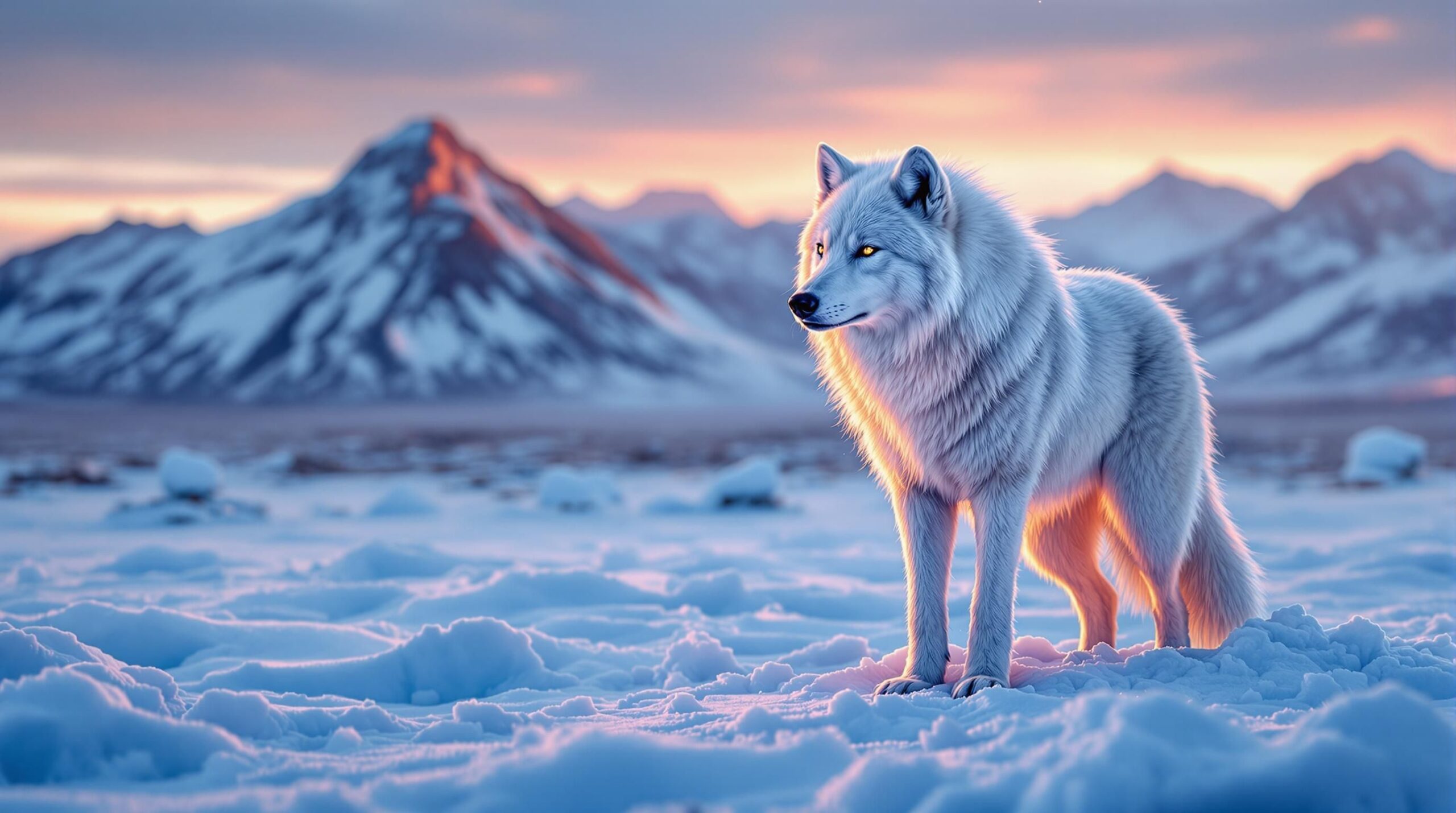
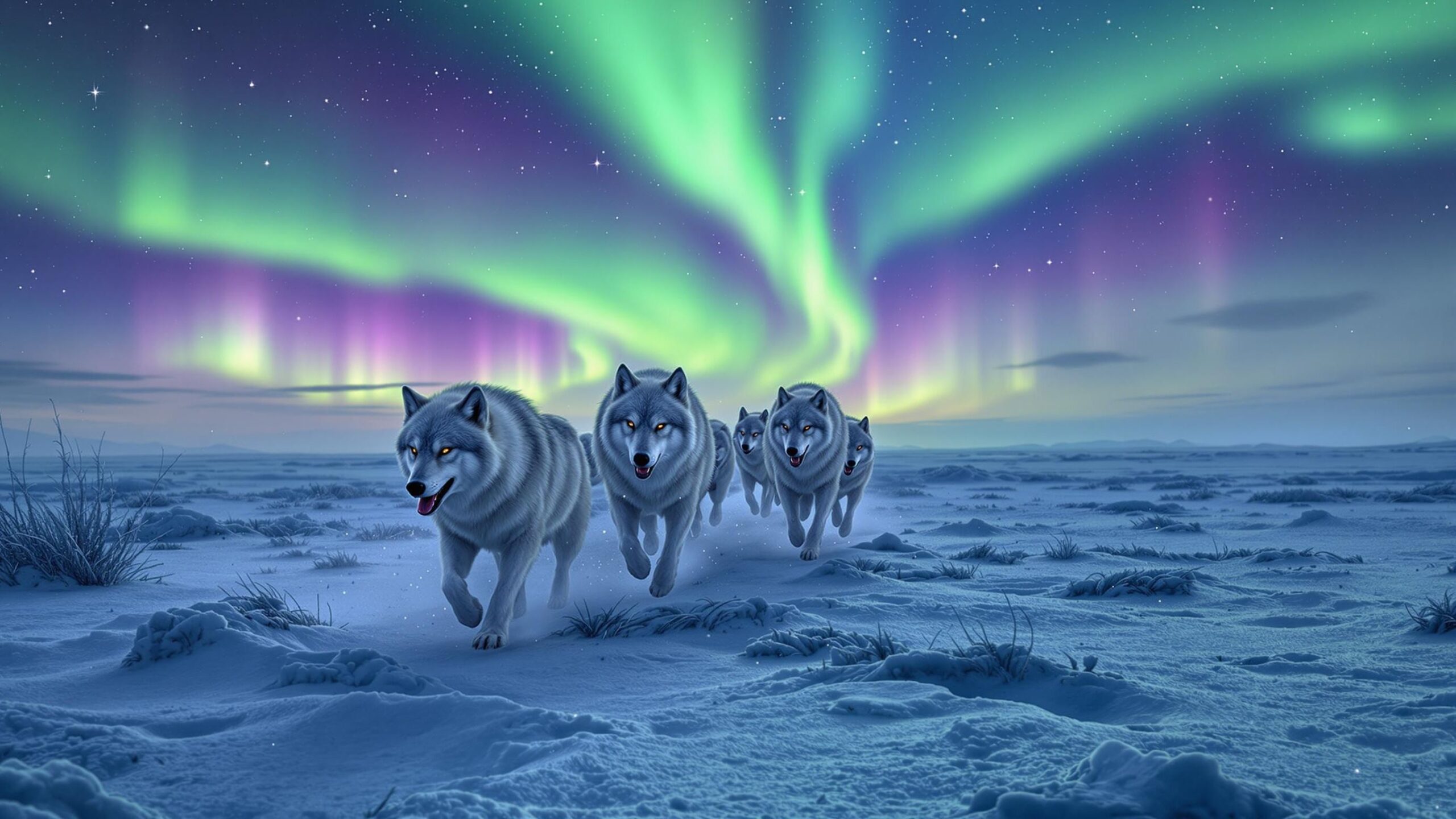
Arctic wolves are highly social animals, relying on close-knit packs to survive and thrive in the extreme north. A typical pack consists of a dominant breeding pair—the alpha male and female—and their offspring from the current and sometimes previous years. Packs are usually smaller in the Arctic, often ranging from five to eight individuals, due to limited food availability. The bond within a pack is strong and built on cooperation. Members hunt together, protect one another, and help care for pups. They establish hierarchies through subtle cues and body language, with clear rules about dominance and submission. Conflicts are rare and usually resolved without violence, as unity is key to survival.
Communication is a central part of pack life. Arctic wolves use a combination of howls, growls, whines, and body gestures to express intent, warn of danger, or reinforce social bonds. Howling serves both as a territorial announcement and a means of locating scattered pack members across vast distances. In the silent Arctic, a single howl can carry for miles. Mating occurs once a year, typically in late winter. After a gestation period of about 63 days, the alpha female gives birth in early summer when conditions are milder. Unlike wolves in more temperate climates, Arctic wolves often give birth in rock crevices or shallow dens dug into the permafrost, as the ground is too frozen for traditional den construction. Litters usually include two to four pups, and the entire pack helps raise them.
Predators of the Tundra: Diet and Hunting
Arctic wolves are carnivorous and depend on a diet of meat, often sourced from the few large mammals that inhabit the Arctic. Their primary prey includes muskoxen and Arctic hares, with caribou also making up a significant part of their diet in some regions. Occasionally, they will consume lemmings, birds, and even scavenged remains from other predators. Hunting in the Arctic is no easy task. Prey is often large, fast, and well-defended. Wolves rely on endurance, strategy, and teamwork rather than sheer speed. They may track prey for days before striking, coordinating their movements to isolate the weakest member of a herd. The chase often covers many miles and demands exceptional stamina.
When food is abundant, wolves gorge themselves, consuming up to 20 pounds of meat in a single meal. This feast-and-fast pattern is essential in an environment where meals are not guaranteed and starvation is always a possibility. Their hunting patterns also serve the greater ecosystem. By preying on the old, sick, or weak, wolves help maintain healthy populations of their prey species. Their leftovers feed scavengers like Arctic foxes and ravens, spreading nutrients throughout the food chain.
Frozen Frontiers: Habitat and Range
The Arctic wolf inhabits the high latitudes of North America and Greenland, typically living above the treeline in remote, treeless regions where few other predators roam. Their range includes the Canadian Arctic Archipelago, the northernmost parts of mainland Canada, and parts of northern Greenland. These areas are among the most inhospitable environments on Earth, marked by subzero temperatures, blizzards, and seasonal darkness.
In this frigid wilderness, the Arctic wolf finds both challenges and opportunities. The lack of human presence has long offered a refuge from persecution and habitat destruction. There are no roads, farms, or fences to fragment their territories. But the harsh climate, seasonal scarcity of prey, and increasing impacts of climate change now pose new threats to the wolf’s future. Arctic wolves are nomadic, often traveling great distances in search of food. In winter, when snow covers everything, they may range even farther to follow migrating caribou herds or locate muskoxen. Their territories can span hundreds of square miles, depending on prey density and competition.
The White Spirit in Myth and Culture
Though less known to the public than the gray wolf of the forests, the Arctic wolf holds a unique place in the imagination. To the Indigenous peoples of the Arctic, wolves have long been respected as spiritual beings—clever, resourceful, and integral to the natural balance. Inuit folklore often portrays wolves as hunters and providers, admired for their skill and cooperation.
In modern culture, the Arctic wolf symbolizes the wilderness itself—untamed, pure, and enduring. It appears in documentaries, literature, and art as a symbol of nature’s resilience in the face of adversity. Because it lives so far from human contact, the Arctic wolf also embodies mystery, a ghostly presence glimpsed only by the most patient observers or through the lens of remote cameras. Their white coats, set against icy backdrops, evoke a sense of awe and isolation. For conservationists and wildlife lovers, the Arctic wolf represents the fragile majesty of polar ecosystems—a reminder of what stands to be lost if these frozen worlds melt away.
Conservation Status: Challenges in a Changing Climate
Unlike many of its southern relatives, the Arctic wolf has not been heavily persecuted by humans. Its remote habitat has protected it from hunting, trapping, and habitat loss. As a result, it is not currently considered endangered, and the global conservation status for the Arctic wolf is relatively stable.
However, this doesn’t mean it is immune to threats. Climate change looms as the most significant long-term challenge for the Arctic wolf. As temperatures rise, ice melts earlier and returns later, affecting the migration and survival of the prey animals wolves depend on. Shifting weather patterns can also disrupt denning seasons and increase the risk of disease spread into northern latitudes. Additionally, as warming opens the Arctic to increased human activity—such as mining, oil exploration, and shipping—the threat of habitat disruption grows. Infrastructure development, once impossible in permafrost regions, is becoming increasingly viable. Such changes may fragment wolf territories or expose them to new dangers, including direct conflict with humans.
Some scientists also express concern over the genetic isolation of Arctic wolf populations. Because their range is so remote and fragmented, gene flow is limited. Over time, this can reduce genetic diversity and make the species more vulnerable to disease or environmental changes. While they are not at immediate risk, protecting the Arctic wolf requires foresight. Conservation strategies must consider not just direct threats, but the broader effects of global warming on the entire Arctic biome. Preserving wild spaces, maintaining prey populations, and monitoring genetic health will be key.
Wolves of Ice and Endurance: An Ecological Legacy
The Arctic wolf is not just a predator—it is a keystone species. Its presence helps shape the ecosystems it inhabits, influencing the behavior and population dynamics of its prey. This cascading effect extends to the vegetation, the scavengers that rely on leftovers, and even the patterns of migration across the tundra.
By keeping herbivore numbers in check, wolves help prevent overgrazing, which in turn allows plant life to regenerate and maintain soil health. The carcasses they leave behind nourish countless other animals, spreading nutrients in a landscape where resources are scarce. The loss of such a predator would not only disrupt the food web but diminish the wildness of the Arctic itself. The Arctic wolf’s role is subtle yet critical—a thread in the fabric of the tundra’s life-support system.
Looking to the Future: Coexistence from Afar
In many ways, the Arctic wolf is lucky. It has lived far from the reach of human cities and conflicts, a creature of the edge lands. But in an age where no part of the planet is untouched by human influence, even this ghost of the north cannot remain entirely isolated.
The future of the Arctic wolf depends on a global commitment to addressing climate change and safeguarding the polar regions. Protected areas, responsible development, and support for scientific research are crucial. So is education—helping people understand and appreciate the Arctic not as a barren wasteland, but as a living, breathing biome with wolves at its heart. As we face uncertain environmental futures, the Arctic wolf offers a potent symbol of resilience and the interdependence of all life. To protect this species is to protect the story of survival against the odds, of beauty in the bleak, and of nature’s quiet strength.
From its snow-padded paws to its soulful howls echoing across the tundra, the Arctic wolf is a creature of extremes. It survives not through dominance but through harmony—with its pack, its prey, and its frozen world. Its story is one of adaptation, cooperation, and the fierce will to endure in a place few others can. Let its story inspire a deeper respect for the cold corners of the Earth—and a renewed effort to preserve them.