Soaring Through the Canopy: A Journey into the World of Gliding Mammals
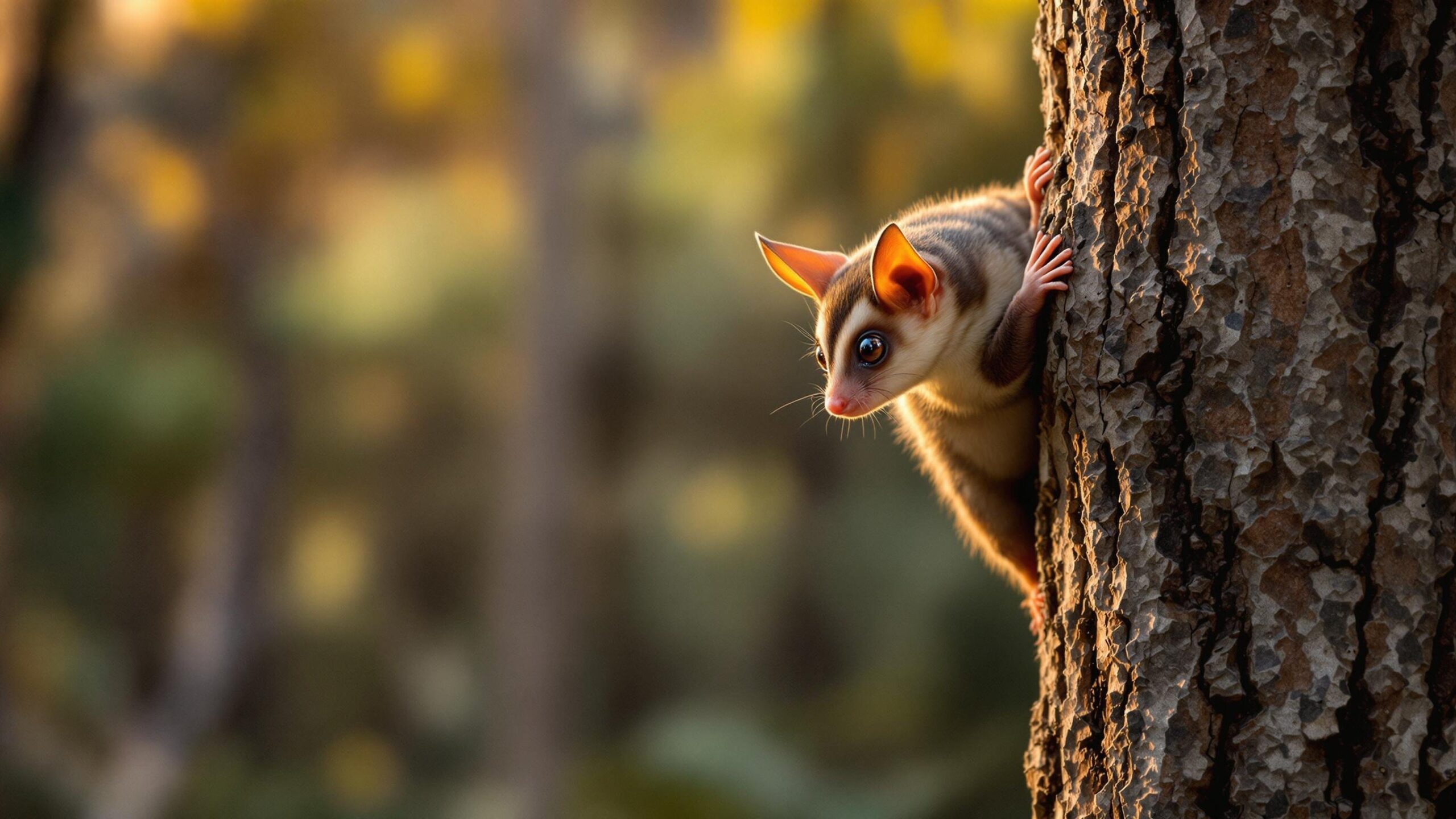
High above the forest floor, where dappled sunlight flickers through emerald leaves and branches sway in a perpetual dance with the wind, a shadow silently sails from tree to tree. No wings beat the air. No sound betrays its presence. This is no bird, no insect, but a gliding mammal—a creature that has mastered the art of flight without ever flapping a wing. These enigmatic animals, which include flying squirrels, colugos, and sugar gliders, have evolved extraordinary adaptations to drift through the canopy, avoiding predators and seeking out food with a grace that defies gravity. Gliding mammals are found in diverse ecosystems across the globe, from the dense rainforests of Southeast Asia to the temperate woodlands of North America and the eucalyptus groves of Australia. Despite their different lineages, all share a common trait: the patagium, a skin membrane stretching between limbs that allows them to glide long distances. This unique evolutionary solution has not only enabled them to thrive in forested habitats but has also captivated the imagination of biologists and nature enthusiasts alike.
Taxonomy And Identity
Sugar gliders are part of the possum family and resemble flying squirrels in appearance and function, despite their distinct evolutionary paths. In Africa, the scaly-tailed squirrels (family Anomaluridae) also possess patagia and exhibit gliding behavior. Gliding mammals is best understood through its anatomy, habitat, diet, behavior, and place in its ecosystem.
Identification And Appearance
This is no bird, no insect, but a gliding mammal—a creature that has mastered the art of flight without ever flapping a wing. Despite their different lineages, all share a common trait: the patagium, a skin membrane stretching between limbs that allows them to glide long distances. Body form, markings, movement, and habitat work together to separate this animal from close relatives and lookalikes.
Anatomy And Adaptations
These enigmatic animals, which include flying squirrels, colugos, and sugar gliders, have evolved extraordinary adaptations to drift through the canopy, avoiding predators and seeking out food with a grace that defies gravity. Also known colloquially as the “flying lemur,” though it is neither a lemur nor capable of true flight, the colugo is an evolutionary marvel that has captivated scientists and nature enthusiasts alike. Native to Australia and surrounding regions, this tiny marsupial is more than just adorable—it’s a marvel of adaptation, social complexity, and ecological significance.
This energy-efficient mode of locomotion offers critical advantages: escaping predators, conserving energy, and accessing dispersed food sources. This underscores the adaptive advantage of gliding in arboreal settings. Body form, markings, movement, and habitat work together to separate this animal from close relatives and lookalikes.
Range And Wild Habitat
Gliding mammals are found in diverse ecosystems across the globe, from the dense rainforests of Southeast Asia to the temperate woodlands of North America and the eucalyptus groves of Australia. Native to Australia and surrounding regions, this tiny marsupial is more than just adorable—it’s a marvel of adaptation, social complexity, and ecological significance. Sugar Gliders and the Marsupial Marvels of Australia On the other side of the world, Australia and nearby regions are home to the sugar glider and other gliding marsupials.
Sugar gliders are highly social and vocal, living in groups and communicating with a range of calls and scents. Native to Southeast Asia, colugos have the most extensive patagium of any gliding mammal, stretching from neck to tail and even encompassing their fingers and toes. Their wide gliding range allows them to exploit sparse resources in the forest canopy while minimizing the risks associated with ground travel.
Wild Diet And Feeding
These enigmatic animals, which include flying squirrels, colugos, and sugar gliders, have evolved extraordinary adaptations to drift through the canopy, avoiding predators and seeking out food with a grace that defies gravity. This energy-efficient mode of locomotion offers critical advantages: escaping predators, conserving energy, and accessing dispersed food sources. Their diet includes sap, nectar, insects, and small vertebrates, making them opportunistic omnivores.
Colugos are nocturnal, tree-dwelling herbivores that feed on leaves, flowers, and fruit. Threats and Conservation Challenges Gliding mammals face numerous threats, chiefly from deforestation, habitat fragmentation, and climate change. Flying squirrels use their gliding ability to forage for nuts, fruits, fungi, and insects.
Behavior
Native to Australia and surrounding regions, this tiny marsupial is more than just adorable—it’s a marvel of adaptation, social complexity, and ecological significance. These small rodents, which include the northern flying squirrel and the southern flying squirrel, are primarily nocturnal and thrive in deciduous and mixed forests. Behavior is easiest to understand when daily movement, social contact, communication, and risk avoidance are considered together.
Reproduction And Life Cycle
These enigmatic animals, which include flying squirrels, colugos, and sugar gliders, have evolved extraordinary adaptations to drift through the canopy, avoiding predators and seeking out food with a grace that defies gravity. This unique evolutionary solution has not only enabled them to thrive in forested habitats but has also captivated the imagination of biologists and nature enthusiasts alike. Native to Australia and surrounding regions, this tiny marsupial is more than just adorable—it’s a marvel of adaptation, social complexity, and ecological significance.
This energy-efficient mode of locomotion offers critical advantages: escaping predators, conserving energy, and accessing dispersed food sources. This underscores the adaptive advantage of gliding in arboreal settings. Fossils of early gliders date back over 50 million years, providing clues about how mammals adapted to three- dimensional environments long before birds or bats came to dominate the skies.
Ecology And Role In The Environment
These enigmatic animals, which include flying squirrels, colugos, and sugar gliders, have evolved extraordinary adaptations to drift through the canopy, avoiding predators and seeking out food with a grace that defies gravity. Gliding mammals are found in diverse ecosystems across the globe, from the dense rainforests of Southeast Asia to the temperate woodlands of North America and the eucalyptus groves of Australia. Native to Australia and surrounding regions, this tiny marsupial is more than just adorable—it’s a marvel of adaptation, social complexity, and ecological significance.
This energy-efficient mode of locomotion offers critical advantages: escaping predators, conserving energy, and accessing dispersed food sources. Their silent movement through the trees allows them to avoid predators such as owls and foxes. These squirrels inhabit the forests of central and western Africa, where they play similar ecological roles in canopy navigation and seed dispersal.
Conservation Status And Threats
Their movements support biodiversity by facilitating gene flow among plant species and reducing insect populations that might otherwise grow unchecked. Conservation efforts that protect gliding mammals inherently benefit broader biodiversity and forest integrity. Threats and Conservation Challenges Gliding mammals face numerous threats, chiefly from deforestation, habitat fragmentation, and climate change.
This isolates populations, reducing genetic diversity and increasing vulnerability to disease and environmental changes. As a result, conservation data can be scarce or outdated. Its daily life is shaped by where it moves, what it eats, how it avoids danger, and how it interacts with other animals.
Human Relationship
With its wide, inquisitive eyes, velvety fur, and the remarkable ability to soar through the treetops, the sugar glider (Petaurus breviceps) captivates nature enthusiasts, pet lovers, and scientists alike. From land-roaming lions to ocean-gliding whales, from household pets to prehistoric giants, we explore top-rated products for enthusiasts, educators, and animal lovers alike. Its daily life is shaped by where it moves, what it eats, how it avoids danger, and how it interacts with other animals.
Captive Care
Gliding Mammals is best treated as a wild animal whose needs depend on large habitat space, natural diet, social conditions, and specialist veterinary knowledge. Public education, rescue, rehabilitation, or accredited conservation work may be relevant in some cases, but casual private care is not an appropriate frame. The safest human role is to support habitat protection, responsible viewing, and professional wildlife care when intervention is truly needed.
Wild And Captive Variation
Wild Gliding Mammals behavior reflects natural movement, feeding, breeding, and social conditions that cannot be reduced to a simple display setting. Captive or managed observations can help education and science in limited contexts, but they do not replace the ecological complexity of wild habitat. Differences between wild and managed settings are most useful when they clarify welfare, conservation, and natural history.
Similar Species
Other gliding marsupials, such as the greater glider and the feathertail glider, display similarly specialized behaviors and adaptations, reinforcing the success of this locomotion strategy among marsupials. Unlike flying squirrels, their tails are scaly underneath, which may aid in grip or maneuvering. These squirrels inhabit the forests of central and western Africa, where they play similar ecological roles in canopy navigation and seed dispersal.
Other gliding marsupials, such as the greater glider and the feathertail glider, display similarly specialized behaviors and adaptations, reinforcing the success of this locomotion strategy among marsupials. Unlike flying squirrels, their tails are scaly underneath, which may aid in grip or maneuvering. Its daily life is shaped by where it moves, what it eats, how it avoids danger, and how it interacts with other animals.
Common Misconceptions
FAQ
What is a Gliding Mammals?
Sugar gliders are part of the possum family and resemble flying squirrels in appearance and function, despite their distinct evolutionary paths. In Africa, the scaly-tailed squirrels (family Anomaluridae) also possess patagia and exhibit gliding behavior. These enigmatic animals, which include flying squirrels, colugos, and sugar gliders, have evolved extraordinary adaptations to drift through the canopy, avoiding predators and seeking out food with a grace that defies gravity.
How can someone identify a Gliding Mammals?
This is no bird, no insect, but a gliding mammal—a creature that has mastered the art of flight without ever flapping a wing. Despite their different lineages, all share a common trait: the patagium, a skin membrane stretching between limbs that allows them to glide long distances. These enigmatic animals, which include flying squirrels, colugos, and sugar gliders, have evolved extraordinary adaptations to drift through the canopy, avoiding predators and seeking out food with a grace that defies gravity.
How does the Gliding Mammals behave?
Native to Australia and surrounding regions, this tiny marsupial is more than just adorable—it’s a marvel of adaptation, social complexity, and ecological significance. These small rodents, which include the northern flying squirrel and the southern flying squirrel, are primarily nocturnal and thrive in deciduous and mixed forests. Its daily life is shaped by where it moves, what it eats, how it avoids danger, and how it interacts with other animals.
Sources
- https://animalstreets.com/mammals/land-mammals/small-mammals/gliding-mammals/ Organization: animalstreets.com Source type: Live page or linked source URL: https://animalstreets.com/mammals/land-mammals/small-mammals/gliding-mammals/ Information verified: Used for current-page extraction and source discovery; independent fact verification may still be required. Date checked: 2026-08-27 Reliability notes: Current page / internal source; use for audit context, not independent verification
- https://animalstreets.com/mammals-product-reviews/land-mammals-product-reviews/ Organization: animalstreets.com Source type: Live page or linked source URL: https://animalstreets.com/mammals-product-reviews/land-mammals-product-reviews/ Information verified: Used for current-page extraction and source discovery; independent fact verification may still be required. Date checked: 2026-08-27 Reliability notes: Current page / internal source; use for audit context, not independent verification
- https://animalstreets.com/mammals/land-mammals/small-mammals/gliding-mammals/colugo/ Organization: animalstreets.com Source type: Live page or linked source URL: https://animalstreets.com/mammals/land-mammals/small-mammals/gliding-mammals/colugo/ Information verified: Used for current-page extraction and source discovery; independent fact verification may still be required. Date checked: 2026-08-27 Reliability notes: Current page / internal source; use for audit context, not independent verification
- https://animalstreets.com/mammals/land-mammals/small-mammals/gliding-mammals/feathertail-glider/ Organization: animalstreets.com Source type: Live page or linked source URL: https://animalstreets.com/mammals/land-mammals/small-mammals/gliding-mammals/feathertail-glider/ Information verified: Used for current-page extraction and source discovery; independent fact verification may still be required. Date checked: 2026-08-27 Reliability notes: Current page / internal source; use for audit context, not independent verification
- https://animalstreets.com/mammals/land-mammals/small-mammals/gliding-mammals/sugar-glider/ Organization: animalstreets.com Source type: Live page or linked source URL: https://animalstreets.com/mammals/land-mammals/small-mammals/gliding-mammals/sugar-glider/ Information verified: Used for current-page extraction and source discovery; independent fact verification may still be required. Date checked: 2026-08-27 Reliability notes: Current page / internal source; use for audit context, not independent verification
- https://animalstreets.com/animal-product-reviews/ Organization: animalstreets.com Source type: Live page or linked source URL: https://animalstreets.com/animal-product-reviews/ Information verified: Used for current-page extraction and source discovery; independent fact verification may still be required. Date checked: 2026-08-27 Reliability notes: Current page / internal source; use for audit context, not independent verification