
A Colorful Amphibian of Mountain Waters
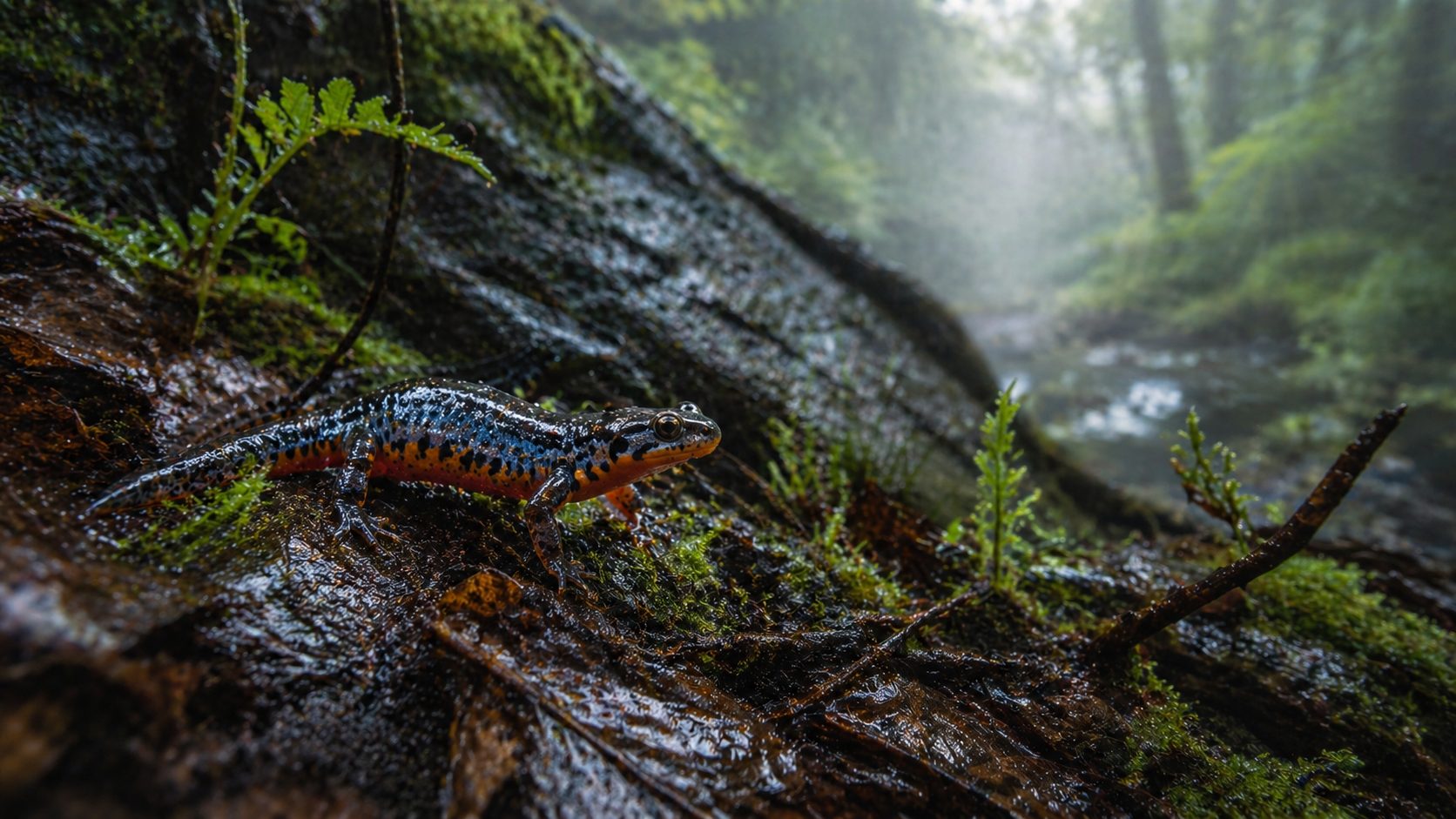
The Alpine Newt, scientifically known as Ichthyosaura alpestris, is one of Europe’s most visually striking amphibians, blending vivid coloration with a fascinating life cycle shaped by mountain environments. This small yet captivating creature is commonly found in cool, clear waters across central and southern Europe, thriving in alpine lakes, forest ponds, and slow-moving streams. Its bright orange underside and blue-speckled flanks make it stand out against the muted tones of its natural surroundings, offering a rare splash of color in otherwise earthy landscapes. For general readers, the Alpine Newt provides an approachable window into amphibian biology, combining beauty, adaptability, and ecological importance. Despite its delicate appearance, the Alpine Newt is remarkably resilient, capable of surviving in environments that experience seasonal temperature swings and fluctuating water conditions. Its life alternates between aquatic and terrestrial phases, a dual lifestyle that allows it to exploit different ecological niches throughout the year. This adaptability has helped it persist across a wide geographic range, although local populations can still be sensitive to environmental changes. Understanding the Alpine Newt reveals not only the story of a single species but also the broader dynamics of mountain ecosystems and freshwater habitats.
A: They are found in Europe, especially in mountainous and forested regions with clean water.
A: No, they are harmless, though their skin produces mild toxins.
A: They feed on insects, larvae, worms, and small aquatic organisms.
A: No, they alternate between aquatic and terrestrial phases.
A: Through internal fertilization after courtship displays in water.
A: Colors may signal health and deter predators.
A: Yes, they become inactive during colder months.
A: They can live several years in the wild.
A: Most populations are stable, but local threats exist.
A: Yes, like many salamanders, they can regrow lost body parts.
A Landscape Shaped by Elevation and Water
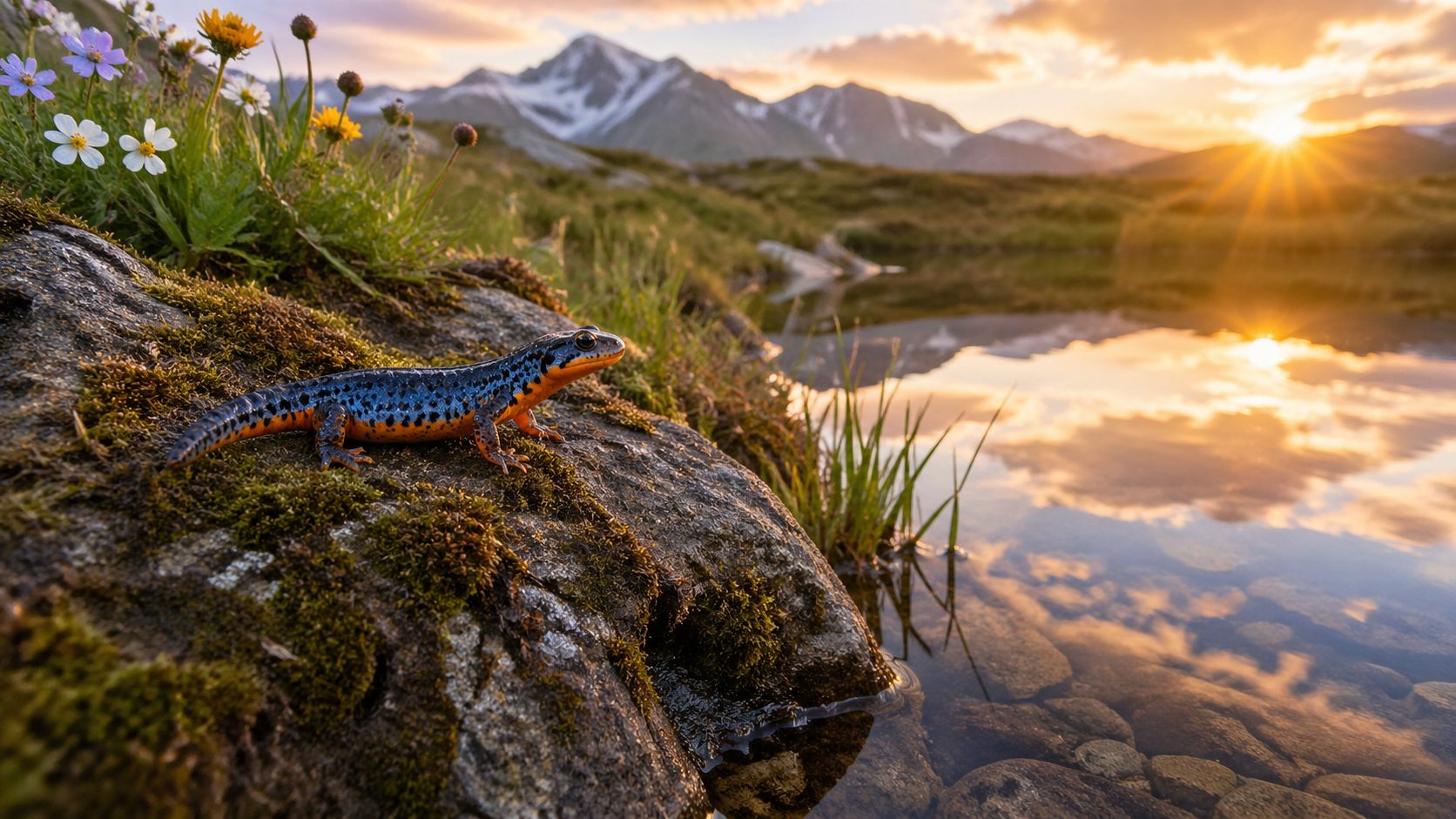
Alpine Newts are closely tied to mountainous and hilly regions, where clean, oxygen-rich water provides the ideal breeding and feeding conditions. They are commonly found in the Alps, the Carpathians, and other upland regions, but they also inhabit lower elevations where suitable ponds and wetlands exist. These environments often include temporary pools formed by snowmelt, which are free from fish predators and therefore safer for breeding. The clarity and cool temperature of alpine waters play a critical role in supporting the newt’s life cycle.
Outside the breeding season, Alpine Newts transition to a more terrestrial lifestyle, seeking shelter in damp forests, under logs, or within leaf litter. This shift allows them to avoid harsh winter conditions and periods when aquatic habitats may dry out or become unsuitable. Their ability to move between land and water is a defining feature of their survival strategy. It also highlights the importance of maintaining both aquatic and terrestrial habitats in close proximity to support healthy populations.
A Body Built for Subtle Brilliance
The Alpine Newt’s appearance is one of its most recognizable traits, combining vivid coloration with a streamlined body adapted for both swimming and crawling. During the breeding season, males develop especially striking features, including a bright blue stripe along their sides and a more pronounced crest running along their back. Females tend to have more subdued colors, though their orange bellies remain a defining characteristic. This difference in appearance between sexes is a common trait among amphibians and plays a role in mating behavior. Their skin is smooth and moist, allowing for efficient respiration through the skin in addition to their lungs. This dual breathing capability is essential for life in water, where oxygen levels can vary. The newt’s limbs are relatively short but strong enough to navigate both aquatic vegetation and forest floors. Its tail, flattened on the sides, acts as a powerful swimming aid, enabling quick and graceful movement through water when escaping predators or searching for food.
Seasonal Transformations and Life Phases
One of the most fascinating aspects of the Alpine Newt is its seasonal transformation between aquatic and terrestrial forms. In spring and early summer, adults migrate to water bodies to breed, adopting a more vibrant coloration and a smoother, more hydrodynamic body shape. This aquatic phase is marked by increased activity, courtship displays, and egg-laying. As the breeding season ends, the newts gradually return to land, where their skin becomes slightly rougher and their colors more muted.
This transformation is not merely cosmetic but reflects deeper physiological changes that allow the newt to function effectively in different environments. The ability to switch between life stages gives the Alpine Newt a significant ecological advantage, enabling it to exploit resources that are unavailable to species restricted to a single habitat type. It also means that conservation efforts must consider both phases of its life cycle to be truly effective.
Courtship and Reproduction in Still Waters
The breeding behavior of Alpine Newts is both intricate and visually captivating. Males perform elaborate courtship displays to attract females, involving tail movements that fan pheromones toward potential mates. These displays are often conducted in clear, shallow water where visibility is high. If the female is receptive, the male deposits a spermatophore, which she then picks up to fertilize her eggs internally. Females lay their eggs individually, carefully wrapping each one in aquatic plant leaves for protection. This method reduces the risk of predation and provides a stable environment for development. The eggs hatch into larvae that resemble tiny fish, complete with external gills for underwater breathing. Over time, these larvae undergo metamorphosis, developing limbs and transitioning into juvenile newts capable of living on land.
Diet and Feeding Habits in Two Worlds
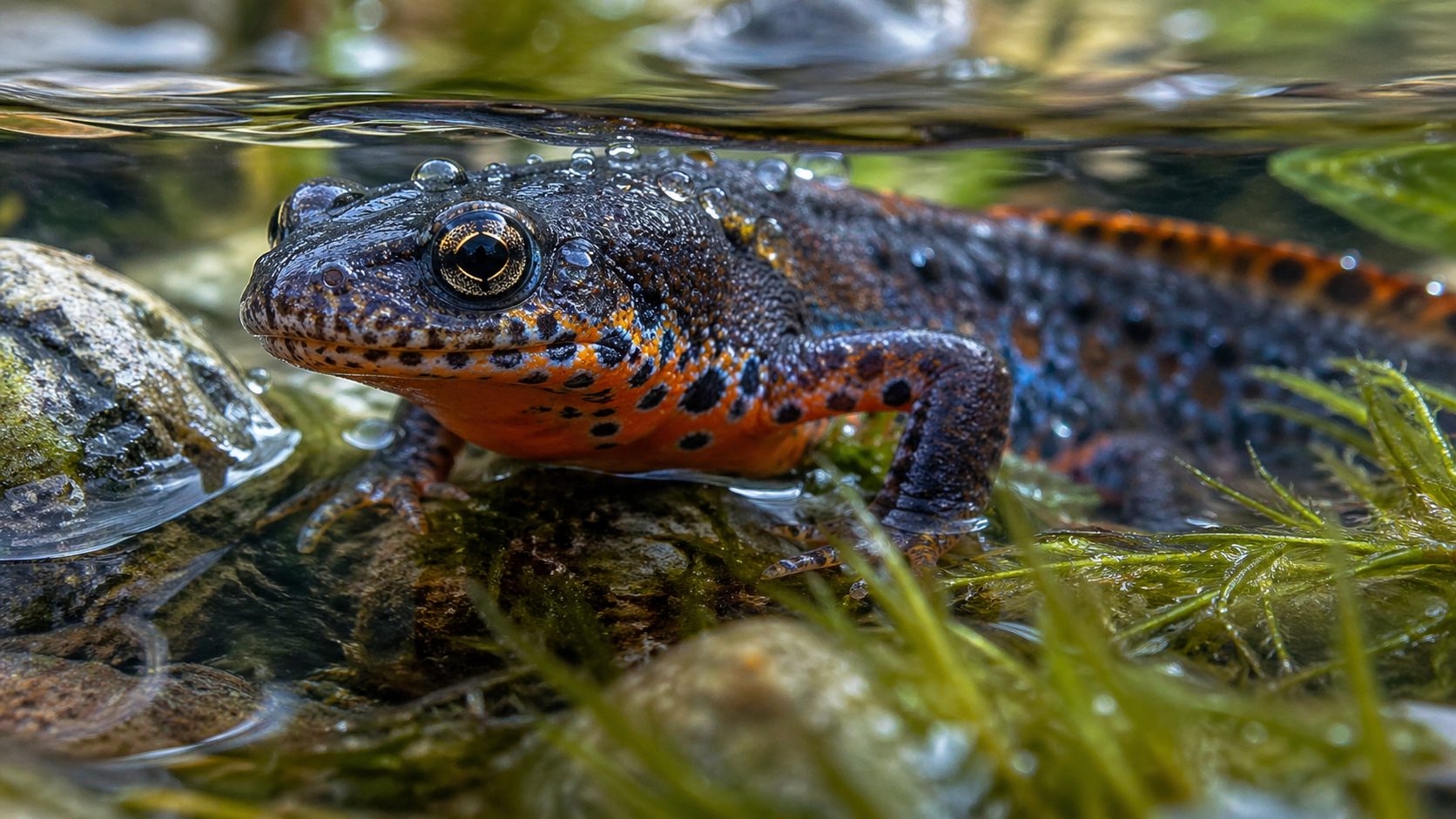
Alpine Newts are opportunistic feeders, consuming a wide range of small invertebrates depending on their environment. In water, their diet typically includes insect larvae, small crustaceans, and aquatic worms. On land, they shift to feeding on insects, spiders, and other small arthropods found within leaf litter and damp soil. This dietary flexibility allows them to adapt to seasonal changes in food availability.
Their hunting strategy relies on a combination of stealth and quick movements, often striking rapidly at unsuspecting prey. Vision plays a key role, especially in well-lit aquatic environments, while chemical cues help them locate food in darker or more complex terrestrial settings. This dual feeding approach underscores their adaptability and highlights the interconnected nature of aquatic and terrestrial ecosystems.
Predators and Survival Strategies
Despite their vibrant appearance, Alpine Newts face a variety of predators, including birds, fish, and larger amphibians. In aquatic environments, fish can pose a significant threat, particularly to eggs and larvae. This is why Alpine Newts often prefer breeding in fish-free ponds and temporary pools. On land, they rely on camouflage and their ability to remain still to avoid detection.
In addition to behavioral strategies, Alpine Newts possess mild skin toxins that can deter some predators. These toxins are not dangerous to humans but can make the newts unpalatable to certain animals. Their bright coloration may also serve as a warning signal, indicating that they are not an ideal meal. Together, these defenses help the species maintain a stable presence in its natural habitats.
Ecological Role in Freshwater Systems
Alpine Newts play an important role in maintaining the balance of freshwater ecosystems. As both predators and prey, they contribute to the regulation of invertebrate populations while also serving as a food source for higher-level predators. Their presence can indicate the health of a habitat, as they are sensitive to pollution and environmental changes. By moving between aquatic and terrestrial environments, Alpine Newts also help transfer nutrients across ecosystem boundaries. This movement supports a more dynamic and interconnected ecological network. Observing their populations can provide valuable insights into the overall condition of alpine and forested landscapes, making them a useful species for ecological monitoring.
Subspecies and Geographic Variation
The Alpine Newt is not a single uniform population but includes several subspecies that exhibit variations in color, size, and habitat preference. These differences are shaped by geographic isolation and local environmental conditions. Some subspecies are more adapted to higher altitudes, while others thrive in lower, forested regions.
These variations add to the species’ overall diversity and resilience, allowing it to occupy a wide range of habitats. However, they also mean that conservation efforts must be tailored to specific regions, as the needs of one subspecies may differ from another. Understanding this diversity is key to preserving the full range of the Alpine Newt’s ecological presence.
Human Interaction and Cultural Curiosity
Alpine Newts have long captured human curiosity due to their striking appearance and relatively accessible habitats. They are often observed by hikers, naturalists, and wildlife enthusiasts exploring mountain regions. In some areas, they are even kept in controlled environments for educational purposes, helping people learn more about amphibian biology and conservation. While generally harmless and non-aggressive, Alpine Newts should be handled with care, if at all, to avoid disrupting their natural behavior or damaging their sensitive skin. Observing them in their natural environment is the best way to appreciate their beauty and ecological role. Their presence in accessible habitats makes them an excellent ambassador for amphibian conservation awareness.
Environmental Pressures and Subtle Conservation Needs
Although the Alpine Newt is not currently among the most threatened amphibian species, it still faces a range of environmental pressures. Habitat loss, water pollution, and climate change can all impact local populations, particularly in areas where suitable breeding sites are limited. Changes in temperature and precipitation patterns may also affect the availability of temporary pools used for reproduction.
Conservation efforts for the Alpine Newt often focus on preserving clean, fish-free water bodies and maintaining surrounding terrestrial habitats. These measures benefit not only the newts but also a wide range of other species that share the same environment. By protecting these ecosystems, it is possible to support stable populations without the need for more intensive interventions.
A Small Amphibian with a Big Story
The Alpine Newt is a remarkable example of how a small, often overlooked creature can embody the complexity and beauty of the natural world. Its vivid colors, adaptable lifestyle, and intricate life cycle make it a fascinating subject for both casual observers and dedicated naturalists. By bridging the gap between water and land, it illustrates the interconnectedness of ecosystems in a way that is both accessible and inspiring. For general readers, learning about the Alpine Newt offers more than just facts about a single species. It provides insight into the delicate balance of mountain environments and the importance of preserving them. As we continue to explore and understand these ecosystems, the Alpine Newt stands as a quiet but powerful reminder of the richness and resilience of life in even the most modest forms.
Animal Product Reviews
Dive into Animal Streets’ Animal Product Reviews — your guide to the best gear, gifts, books, and gadgets inspired by the animal kingdom. From land-roaming lions to ocean-gliding whales, from household pets to prehistoric giants, we explore top-rated products for enthusiasts, educators, and animal lovers alike. Whether you’re shopping for toys, decor, field gear, or fun collectibles, we’ve sniffed out the best so you can discover it all in one wild place!