
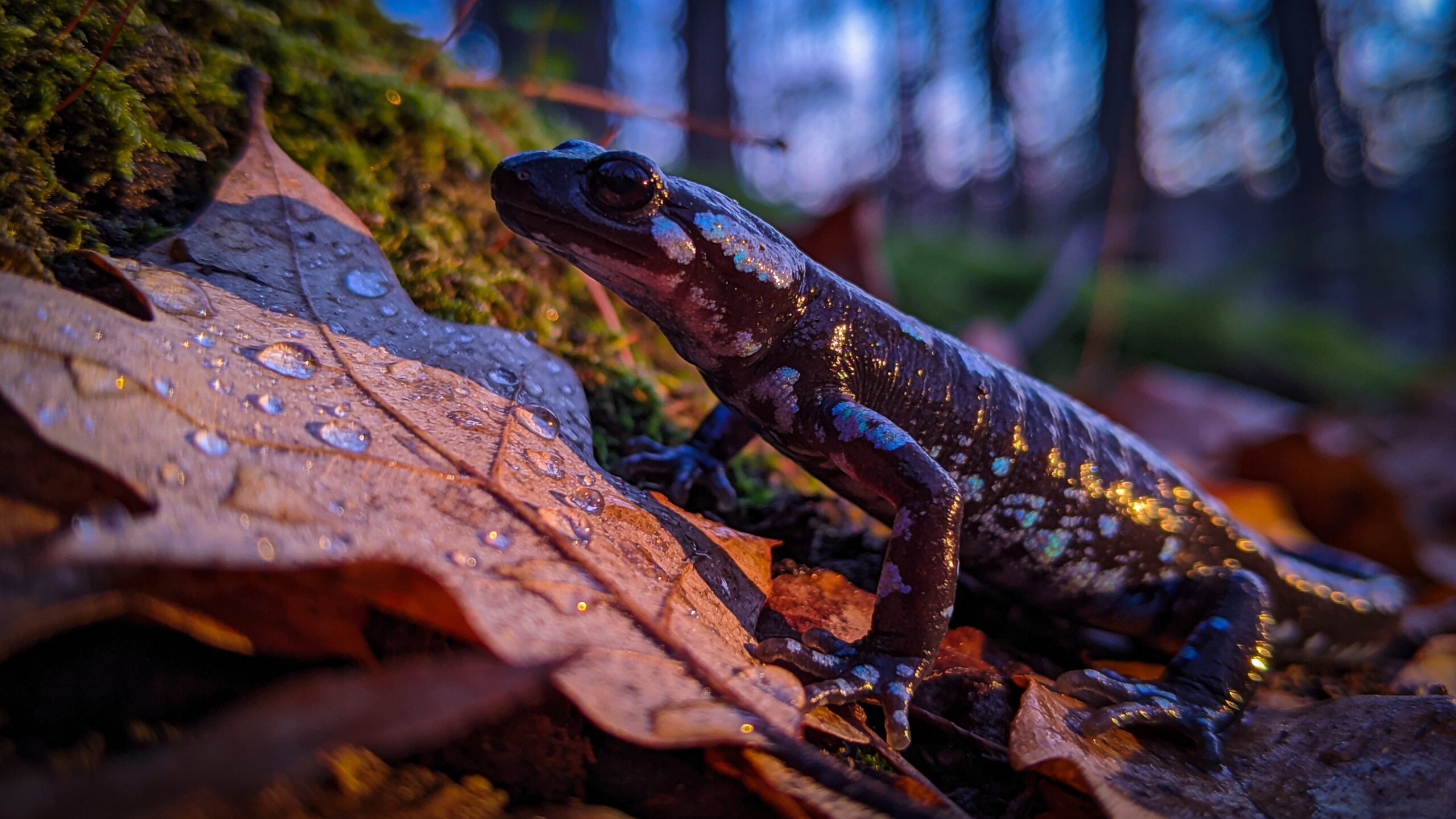
The Jefferson salamander, scientifically known as Ambystoma jeffersonianum, is one of North America’s most elusive amphibians, quietly inhabiting the shadowy woodlands of the eastern United States and parts of Canada. Often overlooked due to its secretive nature and nocturnal habits, this slender, dark salamander plays an important role in forest ecosystems. It belongs to the mole salamander family, a group known for spending much of their lives underground and emerging only during specific seasons. Despite its low profile, the Jefferson salamander has fascinated biologists for decades because of its unusual reproductive relationships and dependence on temporary woodland pools. Its subtle beauty, marked by faint bluish or silvery flecks along its sides, makes it a rewarding discovery for those patient enough to explore its habitat. Understanding this species reveals a deeper appreciation for the delicate balance of forest life and the seasonal rhythms that govern it.
A: Start with body shape and habitat, then use color, markings, size, and behavior as confirmation.
A: Because Jefferson Salamander has its own mix of structure, habitat, feeding, and comparison clues.
A: Compare it with the nearest parent, child, or lookalike pages before treating one trait as final.
A: No. Age, season, lighting, region, and posture can all change the first impression.
A: Look for the setting that explains the animal: water, cover, vegetation, substrate, altitude, reef, burrow, branch, or open ground.
A: The exact diet depends on the animal, but mouth shape, movement, and habitat usually reveal the feeding strategy.
A: Many animals change size, color, pattern, diet, risk, or habitat between young and adult stages.
A: Use the photo to check eye position, body outline, limbs or fins, texture, posture, and surrounding habitat.
A: Yes. Every animal affects food webs, habitat structure, competition, nutrient movement, or predator-prey balance in some way.
A: It should connect the animal's visible traits to how it survives, moves, feeds, and fits the taxonomy.
A Master of Camouflage and Stealth
The Jefferson salamander is perfectly adapted to blend into its forest surroundings, making it extremely difficult to spot even when it is nearby. Its dark gray to brownish-black body, accented with small bluish flecks, mimics the appearance of damp soil and decaying leaves. This natural camouflage helps it avoid predators such as birds, snakes, and small mammals while it moves slowly across the forest floor.
Its body is long and slender, with relatively long toes and limbs that allow it to navigate through leaf litter and burrow into soft soil. Unlike more colorful amphibians, the Jefferson salamander relies on subtlety rather than bold warning colors. This strategy reflects its lifestyle as a creature that thrives in secrecy, emerging primarily at night or during rainy conditions when the forest floor is moist and safe for travel.
Woodland Homes Beneath the Surface
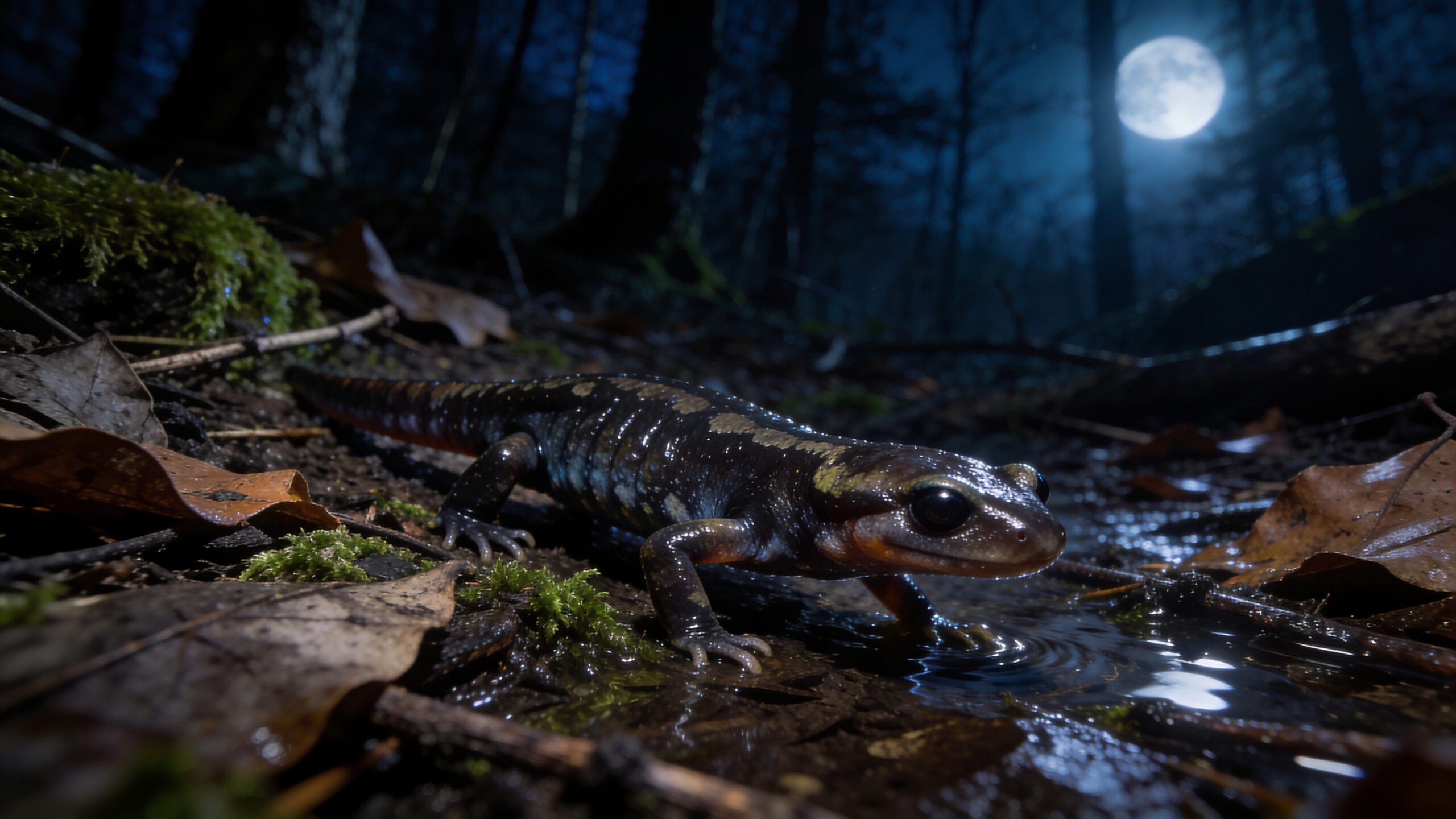
Jefferson salamanders spend the majority of their lives hidden beneath the ground, often occupying abandoned burrows created by small mammals or natural cavities in the soil. These underground retreats provide protection from predators, temperature extremes, and dry conditions. The salamander’s reliance on moist environments means it must remain in areas where the soil retains enough humidity to support its delicate skin. Forested habitats with rich leaf litter, loose soil, and minimal disturbance are essential for their survival. Mature deciduous forests are particularly important because they provide both the underground shelter and the seasonal breeding sites needed by the species. Without these stable woodland environments, Jefferson salamanders struggle to maintain healthy populations.
The Mysterious World of Vernal Pools
One of the most fascinating aspects of the Jefferson salamander’s life is its connection to vernal pools, temporary bodies of water that form in forests during the spring. These pools are free of fish, making them ideal breeding grounds for amphibians whose eggs and larvae would otherwise be vulnerable to predation. For the Jefferson salamander, these ephemeral habitats are critical for reproduction.
As winter fades and early spring rains arrive, the salamanders migrate to these pools, often traveling under the cover of darkness. The timing of this migration is remarkably precise, with individuals responding to a combination of temperature, moisture, and seasonal cues. Once at the pool, they engage in breeding activities that are both brief and highly synchronized.
A Unique Approach to Reproduction
The Jefferson salamander’s reproductive strategy is particularly intriguing due to its relationship with closely related species, especially the blue-spotted salamander. In some regions, hybridization occurs, leading to complex reproductive systems involving unisexual populations. These hybrids often rely on sperm from male Jefferson salamanders to trigger egg development, even though the genetic material may not always be incorporated. This unusual system, known as kleptogenesis, allows hybrid salamanders to persist alongside pure Jefferson salamanders. It is one of the most fascinating examples of reproductive diversity in the animal kingdom. While it may seem complicated, this strategy highlights the adaptability of amphibians in responding to environmental and evolutionary pressures.
Life Beneath the Water’s Surface
After eggs are laid in vernal pools, the next stage of the Jefferson salamander’s life unfolds underwater. The eggs are typically attached to submerged sticks or vegetation, where they remain protected as they develop. Within a few weeks, larvae hatch and begin their aquatic existence, feeding on small invertebrates and growing rapidly.
These larvae resemble tiny fish at first, with external gills that allow them to breathe underwater. As they mature, they undergo metamorphosis, gradually developing lungs and losing their gills. This transformation prepares them for life on land, where they will adopt the secretive, underground lifestyle of adult salamanders.
Seasonal Rhythms and Migration Patterns
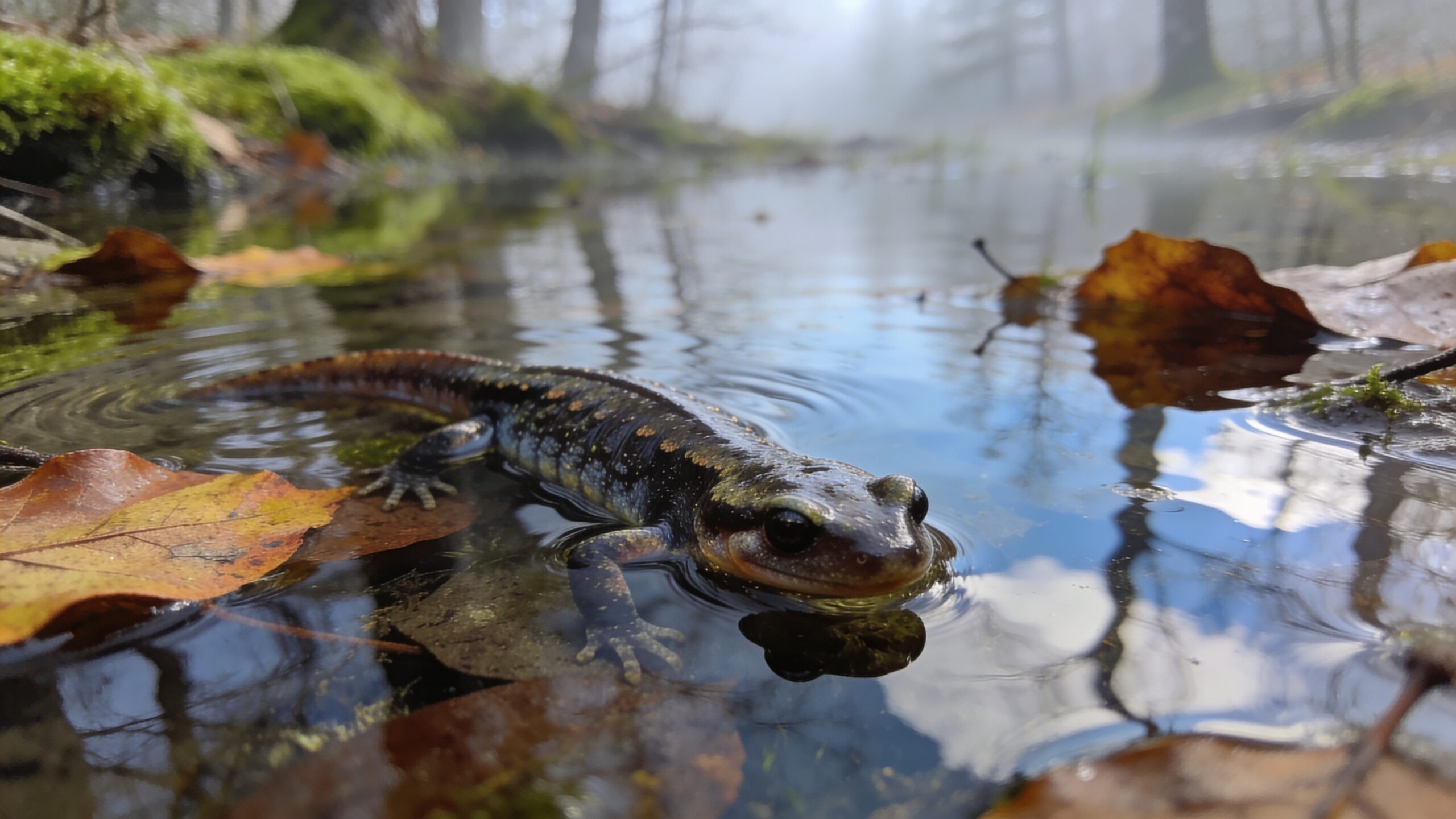
The life of a Jefferson salamander is closely tied to the changing seasons, particularly the transition from winter to spring. During colder months, they remain dormant underground, conserving energy and avoiding harsh conditions. As temperatures rise and rainfall increases, they become active and begin their migration to breeding pools. These migrations can be surprisingly long relative to the salamander’s size, sometimes covering hundreds of feet across forest terrain. The journey is fraught with danger, including predation and habitat fragmentation caused by human activity. Despite these challenges, the instinct to reach breeding sites remains a powerful force driving their annual movements.
Diet and Feeding Behavior
Jefferson salamanders are opportunistic predators that feed on a variety of small invertebrates found in their environment. Their diet includes insects, worms, slugs, and other tiny creatures that inhabit the forest floor. Using their keen sense of smell and subtle movements, they locate prey in the darkness and capture it with quick, precise strikes.
Their feeding habits contribute to the balance of forest ecosystems by controlling populations of invertebrates. In turn, they serve as prey for larger animals, making them an integral part of the food web. This interconnected role underscores the importance of even the most hidden species in maintaining ecological stability.
A Quiet Role in Forest Ecosystems
Although rarely seen, the Jefferson salamander plays a meaningful role in the ecosystems it inhabits. By feeding on invertebrates and serving as prey for other species, it helps maintain the delicate balance of forest life. Its presence is often considered an indicator of a healthy woodland environment, particularly one that supports clean water and intact habitats. Because of their sensitivity to environmental changes, salamanders like the Jefferson species are often used by scientists as bioindicators. Their health and population trends can reveal important information about the condition of ecosystems, including the impacts of pollution, climate change, and habitat loss.
Subtle Challenges in a Changing Landscape
The Jefferson salamander faces a number of challenges, many of which stem from human activity. Habitat fragmentation caused by development can disrupt migration routes and isolate populations, making it harder for them to reproduce successfully. The loss of vernal pools due to land use changes further complicates their survival.
While conservation efforts exist, they often focus on protecting habitats rather than individual species. Maintaining forest integrity and preserving seasonal wetlands are key strategies that benefit Jefferson salamanders along with many other organisms. Although the situation is not dire in all areas, continued awareness and careful land management remain important.
The Allure of an Elusive Amphibian
Part of what makes the Jefferson salamander so captivating is its rarity and secrecy. Unlike more visible wildlife, it does not seek attention and often goes unnoticed even in areas where it is relatively common. For naturalists and wildlife enthusiasts, encountering one in the wild can feel like discovering a hidden treasure. This sense of mystery adds to the salamander’s appeal and highlights the richness of life that exists just beneath our feet. It reminds us that even the most unassuming creatures can have complex lives and important roles within their ecosystems. The Jefferson salamander stands as a quiet symbol of the hidden wonders found in North America’s forests.
Animal Product Reviews
Dive into Animal Streets’ Animal Product Reviews — your guide to the best gear, gifts, books, and gadgets inspired by the animal kingdom. From land-roaming lions to ocean-gliding whales, from household pets to prehistoric giants, we explore top-rated products for enthusiasts, educators, and animal lovers alike. Whether you’re shopping for toys, decor, field gear, or fun collectibles, we’ve sniffed out the best so you can discover it all in one wild place!