
Distinctive Looks and Natural Camouflage
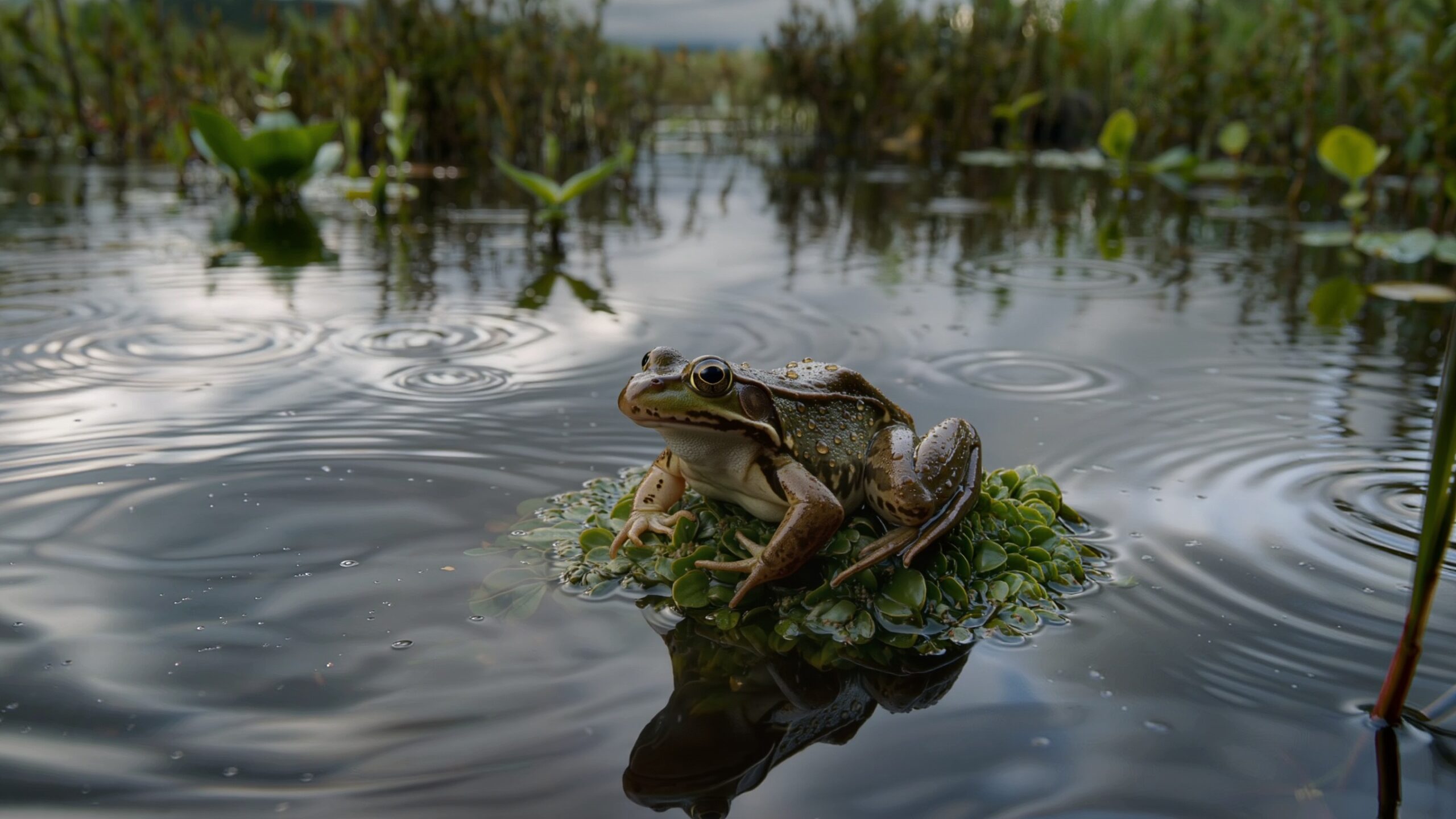
The marsh frog is one of the larger frog species in its range, with adults often reaching lengths of three to five inches. Its body is typically green or olive in color, marked with darker spots that help it blend into surrounding vegetation. Many individuals have a light stripe running down the center of the back, which adds to its distinctive appearance. The skin is smooth but textured enough to reflect light in subtle ways when damp. These colors and patterns help it remain hidden among reeds, grasses, and floating plants.
Its long, powerful hind legs make it an excellent jumper and swimmer. When startled, it can leap into the water with remarkable speed, disappearing beneath the surface in seconds. Its webbed feet are well suited for paddling through shallow waters and navigating muddy edges. Large eyes sit high on its head, allowing it to keep watch for movement while most of its body remains still. This design helps it stay alert to both predators and prey.
Even within the same habitat, marsh frogs can vary slightly in color and pattern. Some appear more vivid green, while others lean toward brown or olive tones. These variations help them match the specific environments they live in. Younger frogs may look brighter and smaller as they grow into adulthood. Over time, their coloring often becomes more muted and blended with the landscape.
A Home Among Reeds and Water
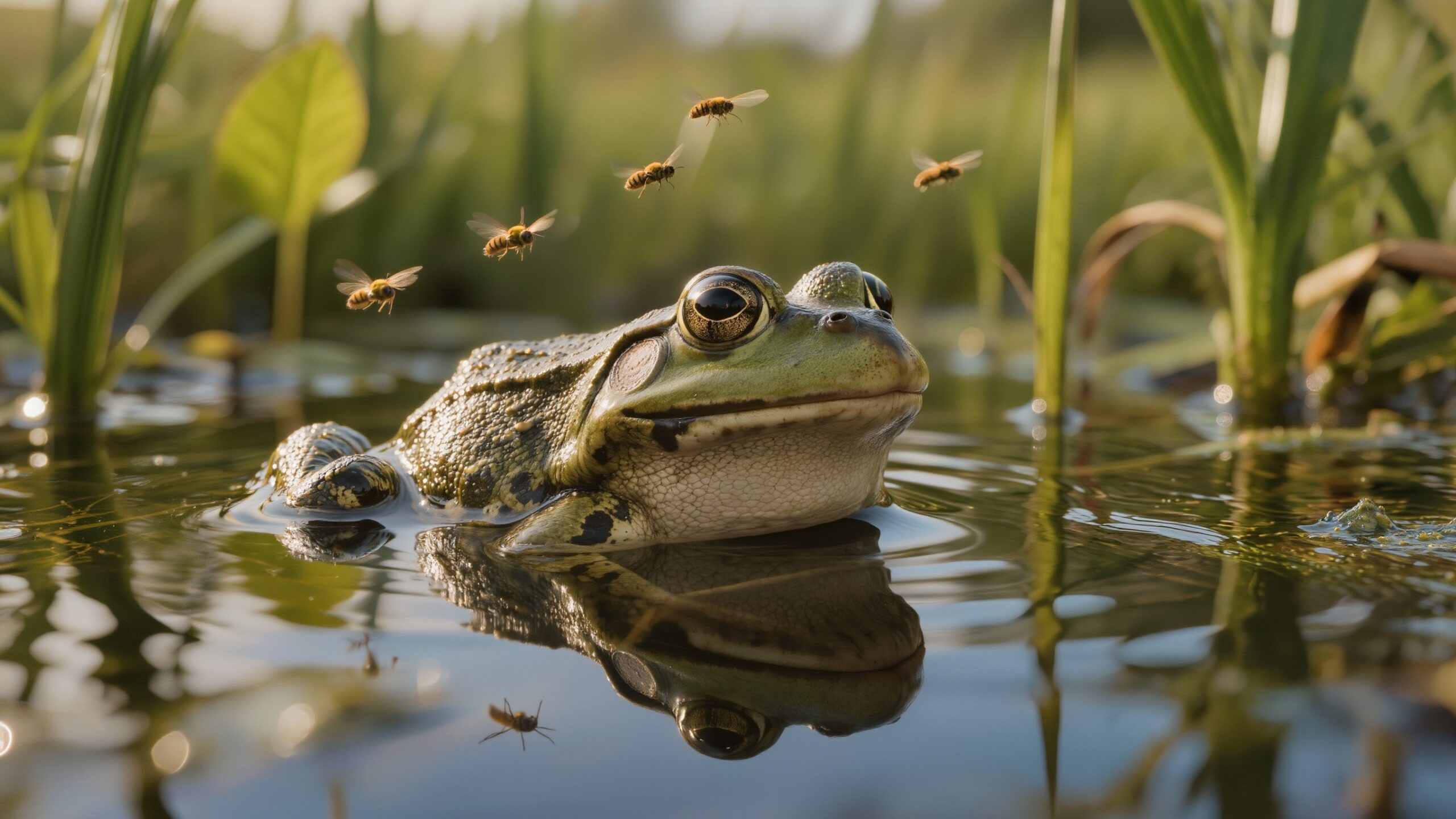
Marsh frogs prefer environments rich in freshwater, such as lakes, marshes, swamps, and slow-flowing rivers. They are especially common in areas with dense vegetation, where they can hide easily and find plenty of insects to eat. Unlike frogs that roam widely across dry land, they tend to stay close to water year-round. Even when resting on land, they are usually only a short jump away from the safety of the water. This close connection to wetlands shapes nearly every part of their lives.
They can tolerate a variety of conditions, including both natural and human-made water bodies. Irrigation canals, reservoirs, and even large garden ponds may become home to marsh frogs if conditions are right. The key factors are water, warmth, and food. Areas with plenty of sunlight and plant growth provide ideal habitats. These environments support insects and other small creatures that make up the frog’s diet. Seasonal changes influence how they use their habitat. In warmer months, they are highly active and often seen basking in the sun along the water’s edge. As temperatures drop, they become less active and seek sheltered places to rest. Some may settle into the mud at the bottom of ponds during colder periods. These patterns help them survive changing weather throughout the year.
The Journey from Egg to Adult
Like most frogs, the marsh frog begins life in water. During breeding season, females lay large clusters of eggs in shallow areas of ponds or marshes. These eggs float among plants, where they are warmed by sunlight and protected from strong currents. Within days or weeks, tiny tadpoles emerge and begin their aquatic lives. At this stage, they breathe through gills and feed on algae and organic material.
As they grow, the tadpoles slowly transform through a process known as metamorphosis. Hind legs appear first, followed by front legs, while the tail gradually shrinks. Lungs develop, preparing them for life above the water’s surface. This transformation allows them to leave the water as small froglets. The change is gradual but remarkable, marking a major step in their development.
The early stages of life can be challenging, as many tadpoles are eaten by fish, birds, and other animals. Only a small number reach adulthood. Those that survive continue to grow and mature over time. Eventually, they become strong, fully developed frogs capable of breeding in future seasons. This cycle repeats each year in wetlands across their range.

Feeding, Hunting, and Everyday Life
Marsh frogs are active hunters that feed on a wide variety of small animals. Their diet includes insects, worms, spiders, and other invertebrates that live near water. They use their quick reflexes to catch prey with their sticky tongues. Often, they wait patiently at the edge of the water until something moves within reach. This method allows them to conserve energy while still finding plenty to eat.
Because they live close to water, they also catch prey that falls or flies near the surface. Small aquatic creatures may become part of their meals. As they grow larger, they may even eat other small amphibians. Their diet reflects what is available in their environment. This adaptability helps them survive in different types of wetland habitats. Young marsh frogs eat smaller prey suited to their size. Tadpoles mostly feed on plant material and microscopic organisms in the water. As they mature, their diet changes to include more insects and moving prey. This shift supports their growing bodies and active lifestyles. Over time, they become important predators within their ecosystems.
Seasonal Rhythms and Survival Strategies
The marsh frog is closely tied to seasonal changes in temperature and weather. During warm months, it is highly active, often seen basking in sunlight near water. Sunlight helps warm its body and gives it energy to hunt and move. On hot days, it may slip into the water to cool off. These daily movements help it stay comfortable and alert.
When colder months arrive, marsh frogs reduce their activity and seek safe places to rest. Many spend winter buried in mud at the bottom of ponds or in protected spots near water. During this time, their bodies slow down, and they rely on stored energy to survive. This period of dormancy allows them to endure cold temperatures. When spring returns, they become active again and begin preparing for breeding.
Rainfall and water levels also influence their behavior. Wet conditions often bring them out in large numbers. They move more freely and can be heard calling from different parts of a wetland. These patterns create a strong connection between their lives and the natural cycles of the environment. Their presence reflects the changing seasons of the places they inhabit.
A Strong Voice Across the Water
One of the most recognizable features of the marsh frog is its loud and distinctive call. Males produce deep croaking sounds that carry across water, especially during breeding season. These calls help attract females and establish territory among other males. On warm evenings, the sound of many frogs calling at once can fill the air. It becomes a familiar part of the soundscape in wetland areas.
Each frog’s call is slightly different, allowing them to be recognized by others of their kind. The calls often come from the water’s edge or from floating plants. The frog inflates special vocal sacs that amplify the sound. These sacs can appear like small balloons on the sides of the head. The visual display adds to the energy of their calls. For people living near wetlands, these sounds can signal the arrival of warmer weather. They are often associated with long summer nights and the lively activity of nature. Though sometimes loud, they are part of the natural balance of wetland life. Over time, their calls become a familiar and comforting presence. They remind listeners that life is thriving in the water nearby.
Quiet Importance in Wetland Ecosystems
Marsh frogs play an important role in the environments where they live. By feeding on insects and other small creatures, they help keep populations in balance. This benefits both natural ecosystems and nearby human communities. At the same time, they serve as food for birds, fish, and larger animals. This makes them a key link in the food chain.
Because they depend on clean water and healthy vegetation, their presence often reflects the condition of a wetland. When they are plentiful, it usually means the habitat is supporting a wide range of life. Changes in their numbers can sometimes signal shifts in the environment. While they are adaptable, they still rely on suitable conditions to thrive. Their connection to water makes them sensitive to changes in their surroundings.
Simple actions that protect wetlands can help support marsh frogs and many other species. Preserving natural water areas and maintaining plant life helps create stable habitats. These efforts do not require large changes but can make a meaningful difference over time. The marsh frog’s quiet presence reminds us how much life depends on these watery environments. In many ways, it is a symbol of the vitality of wetlands.