
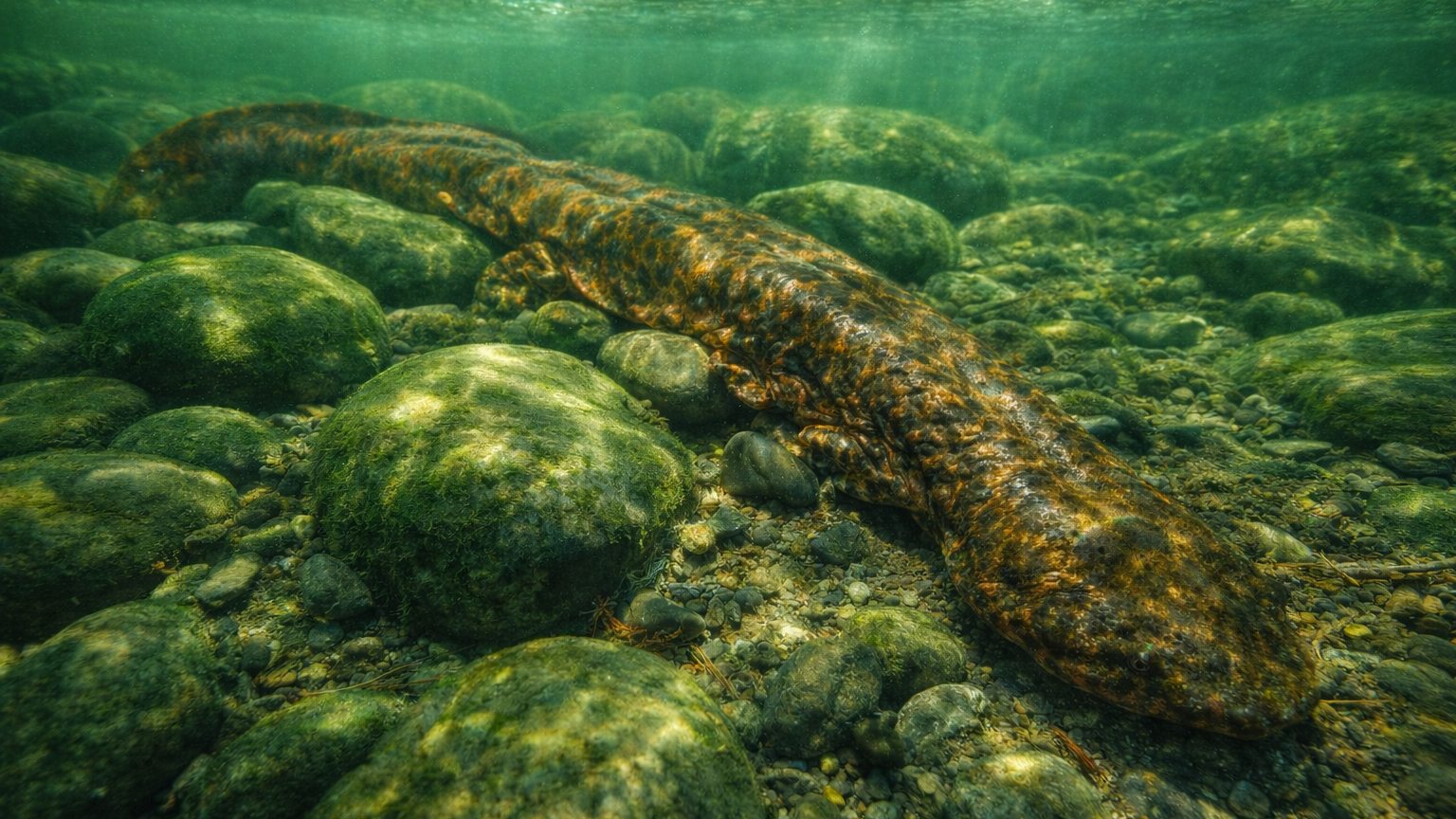
The Hellbender is one of North America’s most fascinating and least understood creatures, often described as a living relic of ancient amphibian lineages. Scientifically known as Cryptobranchus alleganiensis, this large, fully aquatic salamander inhabits cool, fast-flowing rivers and streams, primarily in the eastern United States. Despite its intimidating name and unusual appearance, the hellbender is a harmless and ecologically important species that plays a critical role in freshwater ecosystems. Its flattened body, wrinkled skin, and secretive lifestyle have made it both a subject of curiosity and a symbol of pristine river habitats. For general readers, the hellbender offers a compelling glimpse into a world that exists largely out of sight. It is a creature shaped by millions of years of evolution, adapted perfectly to life beneath rocks in oxygen-rich streams. While it may not receive the same attention as larger or more charismatic animals, its presence tells a powerful story about water quality, biodiversity, and environmental health. Understanding the hellbender is not just about learning about an unusual amphibian, but about appreciating the delicate balance of freshwater ecosystems.
A: No, they are harmless and avoid human interaction.
A: In clean, fast-flowing streams in the eastern United States.
A: Mostly crayfish, along with small fish and aquatic insects.
A: Yes, but they primarily breathe through their skin.
A: Typically up to 24 inches long.
A: They are uncommon and sensitive to environmental changes.
A: They indicate healthy freshwater ecosystems.
A: Rarely, they are almost entirely aquatic.
A: Pollution, habitat loss, and sedimentation.
A: They can live for several decades.
Ancient Origins and Evolutionary Significance
The hellbender belongs to a group of salamanders known as the giant salamanders, which have existed in similar forms for over 160 million years. This lineage connects modern hellbenders to prehistoric amphibians that once thrived alongside dinosaurs, making them one of the oldest surviving vertebrate groups on Earth. Unlike many animals that have undergone dramatic evolutionary changes, the hellbender has retained many primitive features, offering scientists a living window into the past. Its anatomy reflects a long history of adaptation to aquatic environments, with minimal need for change due to its highly specialized niche.
This evolutionary stability is both remarkable and fragile. The same traits that have allowed hellbenders to persist for millions of years also make them highly sensitive to environmental changes. Their dependence on clean, well-oxygenated water means that even minor disruptions can have significant impacts. As a result, studying hellbenders provides valuable insights into both evolutionary biology and modern conservation challenges. They are not just survivors of ancient ecosystems but indicators of the health of today’s freshwater systems.
Physical Characteristics That Define a River Giant
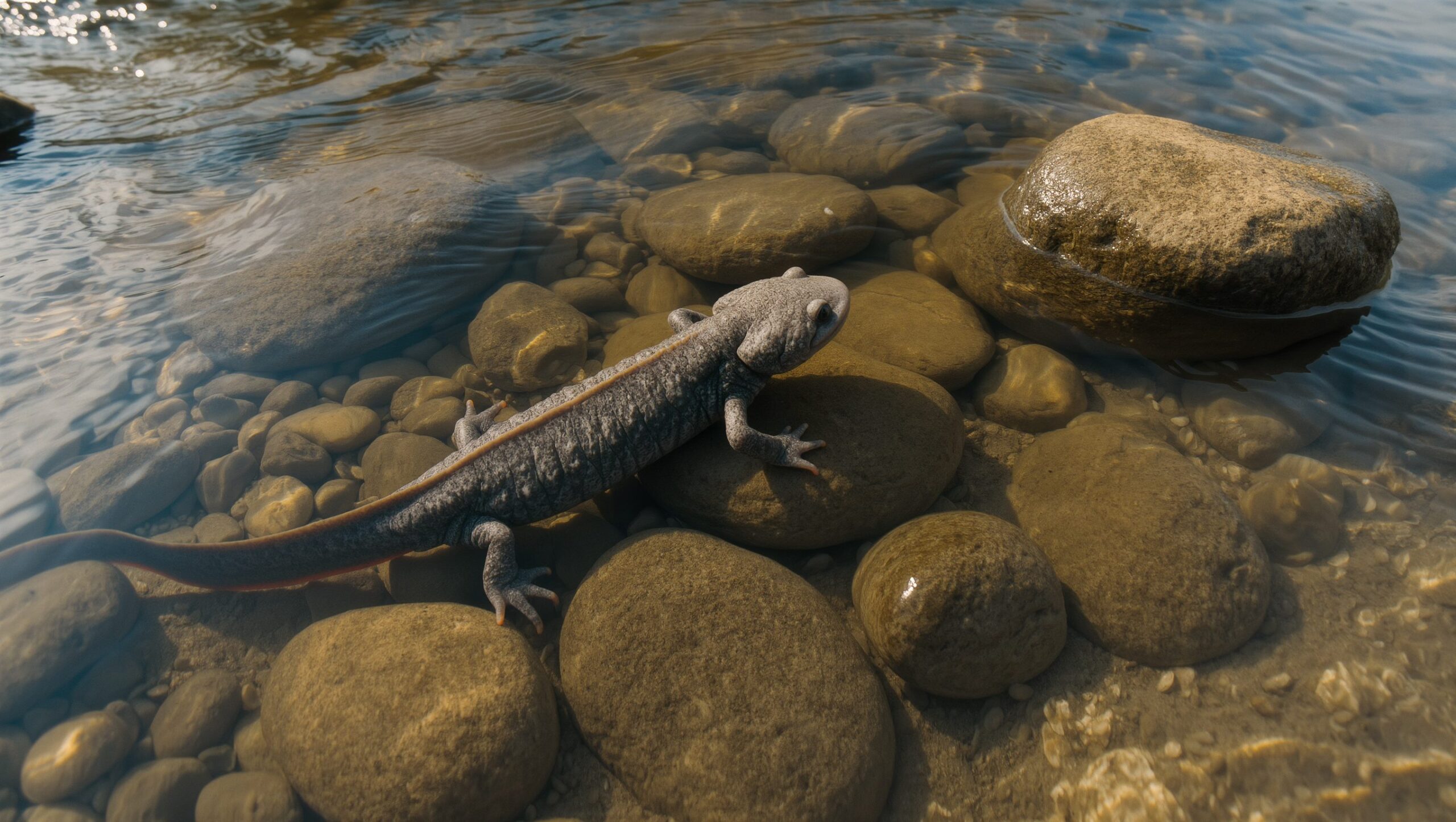
Hellbenders are the largest salamanders in North America, with adults commonly reaching lengths of 12 to 24 inches and occasionally growing even larger. Their bodies are distinctly flattened, an adaptation that allows them to slip easily beneath rocks and resist strong currents. One of their most striking features is their loose, wrinkled skin, which increases surface area for respiration and gives them a somewhat prehistoric appearance. Their coloration typically ranges from brown to gray, often mottled to blend seamlessly with the rocky riverbeds they inhabit. Unlike many amphibians, hellbenders rely heavily on cutaneous respiration, meaning they absorb oxygen directly through their skin. This adaptation eliminates the need for lungs to play a primary role in breathing, although they do possess them. Their small, lidless eyes suggest that vision is not their primary sense, and instead they rely on touch and subtle water movements to navigate their environment. Every aspect of their physical design reflects a life spent hidden in flowing water, making them highly specialized and uniquely adapted to their niche.
Life Beneath the Rocks: Habitat and Distribution
Hellbenders are found primarily in the eastern United States, with populations concentrated in regions such as the Appalachian Mountains and parts of the Midwest. They prefer cold, clear, fast-moving streams with rocky bottoms, where large flat stones provide essential shelter. These habitats are rich in dissolved oxygen, which is critical for their survival given their reliance on skin-based respiration. The presence of hellbenders in a waterway often indicates a high-quality ecosystem with minimal pollution.
Within these streams, hellbenders spend most of their lives hidden beneath rocks, emerging mainly at night to feed. Their territories are relatively small, and individuals often return to the same shelter repeatedly. This site fidelity makes them particularly vulnerable to habitat disturbances, such as sedimentation or the removal of rocks. Even small changes in water flow or clarity can disrupt their ability to find food and avoid predators. Their distribution is therefore closely tied to the stability and cleanliness of their environment.
Feeding Habits and Role as a Predator
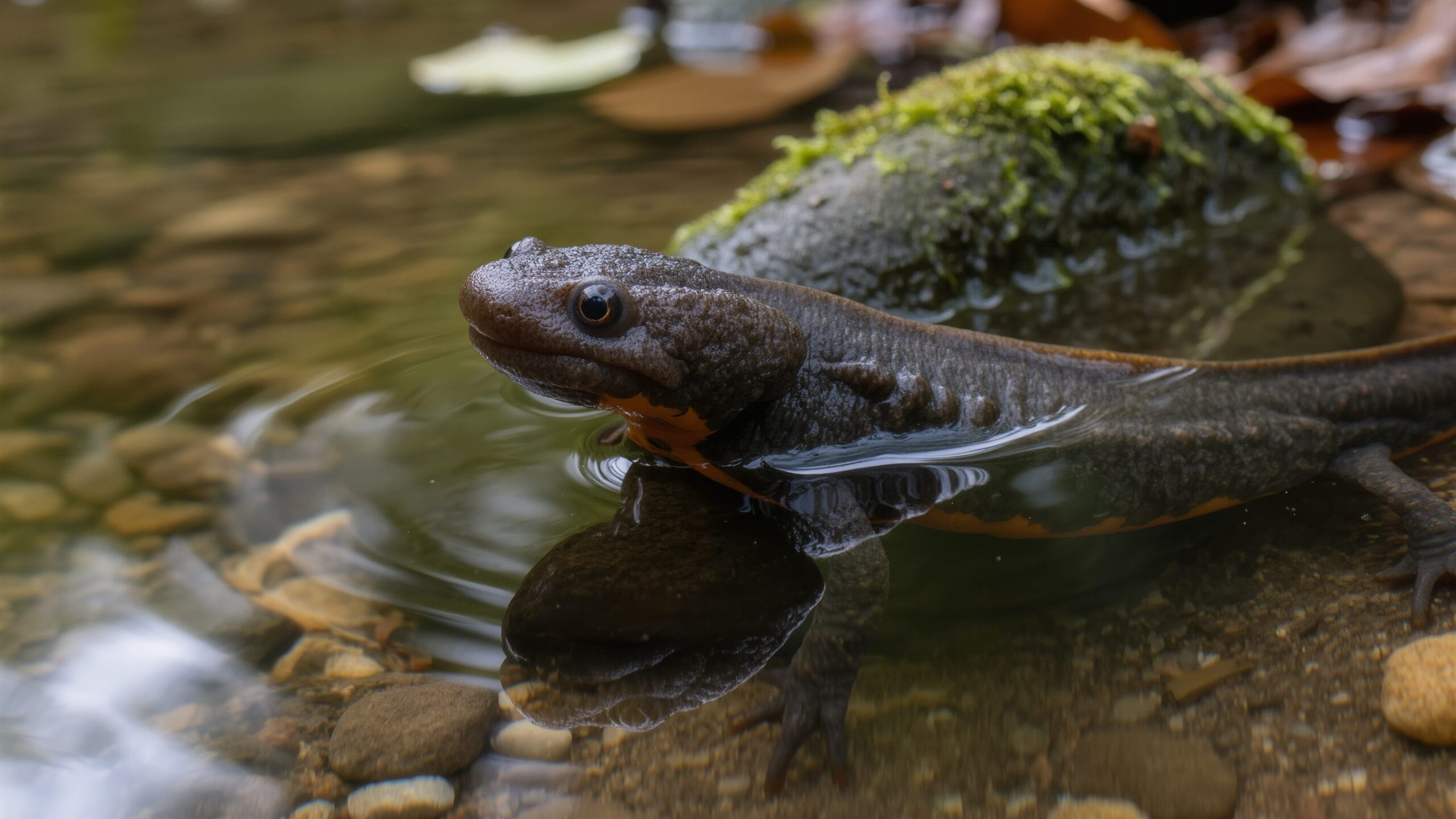
Hellbenders are carnivorous and primarily feed on crayfish, which make up the bulk of their diet. They also consume small fish, insects, and other aquatic organisms when available. Their feeding strategy is largely opportunistic, relying on ambush tactics rather than active pursuit. Using their keen sense of touch, they detect vibrations and movements in the water, striking quickly to capture prey with their wide mouths. As predators, hellbenders play an important role in maintaining the balance of their ecosystems. By controlling crayfish populations, they help regulate the dynamics of the stream environment. Their presence can influence the distribution and behavior of other species, contributing to overall biodiversity. Although they are not apex predators, their ecological impact is significant, particularly in smaller stream systems where their influence can be more pronounced.
Reproduction and Early Life Stages
The reproductive cycle of hellbenders is closely tied to seasonal changes, typically occurring in late summer and early fall. Males establish nesting sites beneath large rocks, where they guard the eggs after fertilization. Females lay hundreds of eggs in these protected spaces, and the male remains with them, fanning the eggs with his body to ensure a steady flow of oxygenated water. This level of parental care is relatively rare among amphibians and highlights the importance of stable habitats for successful reproduction.
Once the eggs hatch, the larvae resemble miniature versions of adults but possess external gills for respiration. As they grow, these gills are gradually absorbed, and the young transition to relying primarily on their skin for breathing. The early stages of life are particularly vulnerable, with many individuals falling prey to predators or environmental challenges. Survival rates can be low, making each successful breeding season crucial for population stability.
Behavior and Adaptations for Survival
Hellbenders are primarily nocturnal, spending daylight hours hidden and becoming active at night. This behavior helps them avoid predators and reduces competition for food. Their flattened bodies and strong limbs allow them to navigate swift currents with ease, while their cryptic coloration provides effective camouflage against the riverbed. These adaptations work together to make them highly efficient at surviving in challenging aquatic environments. In addition to physical traits, hellbenders exhibit behavioral strategies that enhance their survival. They are generally solitary, reducing competition for limited resources within their territories. When threatened, they rely on their ability to remain still and blend into their surroundings rather than attempting to flee. This reliance on concealment underscores their dependence on intact habitats, where natural features provide the necessary cover and protection.
Ecological Importance and Environmental Indicators
The presence of hellbenders in a stream is often considered a sign of excellent water quality. Because they are sensitive to pollution, sedimentation, and changes in oxygen levels, their populations can serve as indicators of environmental health. Scientists and conservationists often monitor hellbender populations to assess the condition of freshwater ecosystems. A decline in their numbers can signal broader ecological problems that may also affect other species.
Their role extends beyond being indicators. Hellbenders contribute to nutrient cycling and energy flow within their ecosystems, interacting with a wide range of organisms. By occupying a specific ecological niche, they help maintain the balance of species within their habitats. Their disappearance would not only represent a loss of biodiversity but could also lead to cascading effects that alter the structure and function of freshwater systems.
Human Perception and Cultural Significance
Despite their ecological importance, hellbenders have often been misunderstood by humans. Their unusual appearance and elusive nature have led to a variety of nicknames, some of which reflect fear or superstition rather than scientific understanding. In reality, they are harmless creatures that pose no threat to people. Efforts to educate the public about hellbenders have helped shift perceptions, emphasizing their role as valuable members of the natural world. In some regions, hellbenders have become symbols of local conservation efforts. Educational programs and community initiatives often highlight their presence as a point of pride and a reminder of the importance of protecting natural resources. By fostering a greater appreciation for these animals, such efforts contribute to broader environmental awareness and stewardship.
Conservation Challenges in a Changing World
While hellbenders have persisted for millions of years, they face increasing challenges in the modern era. Habitat degradation, pollution, and changes in land use have all contributed to declines in some populations. Sedimentation from construction and agriculture can fill the spaces beneath rocks, eliminating essential shelter and breeding sites. Additionally, water pollution can reduce oxygen levels, directly impacting their ability to survive.
Conservation efforts focus on preserving and restoring suitable habitats, as well as raising awareness about the importance of clean water. These initiatives often involve collaboration between scientists, government agencies, and local communities. While challenges remain, the resilience of hellbenders offers hope that with continued effort, their populations can be sustained for future generations.
The Quiet Future of a Remarkable Amphibian
The story of the hellbender is one of quiet endurance, shaped by ancient origins and sustained through specialized adaptations. It is a creature that thrives not through dominance or visibility, but through balance and harmony with its environment. As freshwater ecosystems continue to face pressures, the fate of the hellbender serves as a reminder of the interconnectedness of all life. Looking ahead, the future of hellbenders will depend on our ability to protect the habitats they rely on. By maintaining clean, healthy waterways, we not only support this remarkable amphibian but also preserve the broader ecosystems that sustain countless other species. In this way, the hellbender becomes more than just an unusual animal; it becomes a symbol of the hidden richness and resilience of the natural world.
Animal Product Reviews
Dive into Animal Streets’ Animal Product Reviews — your guide to the best gear, gifts, books, and gadgets inspired by the animal kingdom. From land-roaming lions to ocean-gliding whales, from household pets to prehistoric giants, we explore top-rated products for enthusiasts, educators, and animal lovers alike. Whether you’re shopping for toys, decor, field gear, or fun collectibles, we’ve sniffed out the best so you can discover it all in one wild place!