

Polar bears are best understood as real wild animals rather than just names in a broad animal category. Polar Bear becomes clearer when large body, insulating fur, black skin, small ears, long neck is read alongside sea ice, leads, pressure ridges, coastal areas, islands and mostly solitary Arctic predators shaped by ice conditions, seal availability, scent tracking, seasonal fasting, maternity dens.
Readers should leave with a clear sense of how Polar Bear looks, where it lives, what it eats, and why They differ through sea-ice hunting, marine mammal status, white-looking fur, huge paws, swimming ability matters. Polar bears should be read as living animals, not as novelties, hazards, mascots, or quick labels.
What Are Polar Bears?
Polar bears are Arctic bears commonly associated with Ursus maritimus and classified as marine mammals because their life depends heavily on ocean ice and marine prey. For Polar Bear, the useful starting point is Arctic bears commonly associated, not just the common name or a single photograph.
Polar Bear should be read through large body, insulating fur, black skin, small ears, long neck, sea ice, leads, pressure ridges, coastal areas, islands, and mostly solitary Arctic predators shaped by ice conditions, seal availability, scent tracking, seasonal fasting, maternity dens rather than one famous trait or cropped photo. The profile stays grounded in sea ice, leads, pressure ridges, coastal areas, islands, mostly solitary Arctic predators shaped by ice conditions, seal availability, scent tracking, seasonal fasting, maternity dens, adult form, and the pressures that shape its range.
How To Recognize Them
To identify polar bears, look for huge Arctic bears with white-looking fur, long necks, large paws, black noses, and sea-ice or Arctic shoreline habitat cues. That pattern is stronger when color is checked against structure, habitat, posture, and movement.
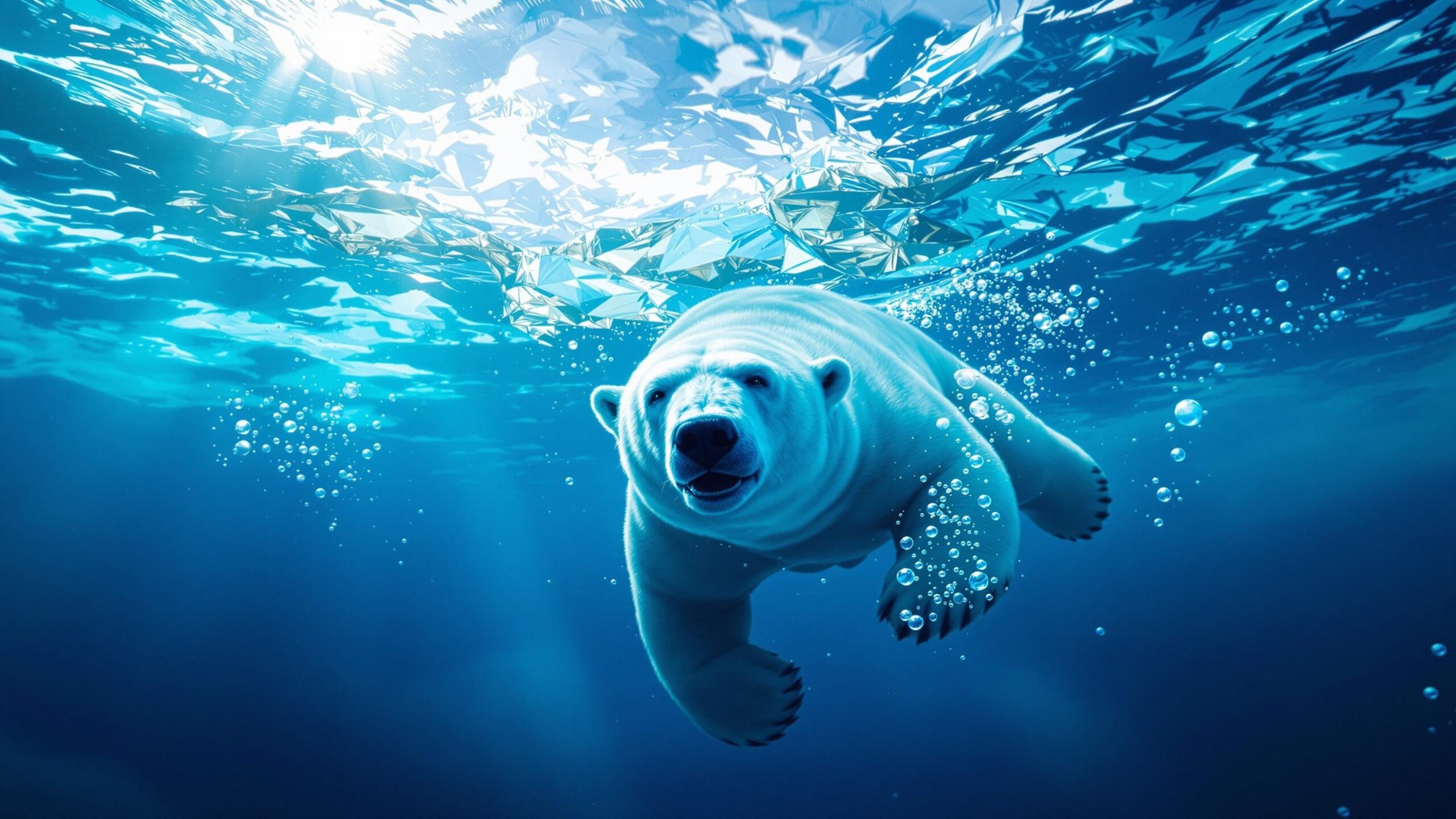
A useful polar bear photo check focuses on paw size, head and neck shape, fur condition, posture, ice or shoreline context, swimming signs, and body condition. The best reading habit is to connect visible field marks with sea ice, leads, pressure ridges, coastal areas, islands.
Native Range And Habitat
Polar bears occur around Arctic regions of Canada, Alaska, Greenland, Russia, and Norway, with movement shaped by sea ice, seals, coastlines, and seasonal ice formation. Range matters on this page because sea ice, leads, pressure ridges, coastal areas, islands shape feeding, shelter, breeding, and movement.
That habitat mix includes sea ice, leads, pressure ridges, coastal areas, islands, snow dens, shorelines, and open water where ice conditions allow hunting and travel. In those surroundings, movement details include this pattern: Polar bears walk across ice, swim between ice or shore areas, stalk seal breathing holes, travel long distances, dig dens, and rest during poor hunting periods.
Body Design And Movement
The large body, insulating fur, black skin, small ears, long neck, strong shoulders, huge paws, and swimming ability fit a cold-adapted seal hunter. Body design affects feeding, swimming, walking, insulation, defense, prey capture, resting, and how the animal uses space.
Polar bears walk across ice, swim between ice or shore areas, stalk seal breathing holes, travel long distances, dig dens, and rest during poor hunting periods. For this animal, movement is not decoration: Polar bears walk across ice, swim between ice or shore areas, stalk seal breathing holes, travel long distances, dig dens, and rest during poor hunting periods.
Feeding Style
Polar bears mainly hunt seals, especially ringed and bearded seals, but may also eat carcasses, birds, eggs, vegetation, and other foods when available. Diet is clearest when the food list is tied to habitat, body form, and opportunity: Polar bears mainly hunt seals, especially ringed and bearded seals, but may also eat carcasses, birds, eggs, vegetation.
Feeding details connect directly to large body, insulating fur, black skin, small ears, long neck and to the places where Polar Bear find food. That is why the food story should stay connected to the whole animal.
Behavior And Daily Rhythm
They are mostly solitary Arctic predators shaped by ice conditions, seal availability, scent tracking, seasonal fasting, maternity dens, and long-distance travel. Those behaviors matter most when read against season, disturbance, life stage, and the habitat pattern described above.
The point is to show how Polar Bear survive day to day, especially through mostly solitary Arctic predators shaped by ice conditions, seal availability, scent tracking, seasonal fasting, maternity dens, and long-distance travel.
Marine Mammals Context
Polar bears belong on this page because their body plan and daily life help readers compare nearby animals without blending them together.
This animal stands apart through sea-ice hunting, marine mammal status, white-looking fur, huge paws, swimming ability, and a life centered on seals. That comparison works best when it stays tied to large body, insulating fur, black skin, small ears, long neck, Polar bears walk across ice, swim between ice or shore areas, stalk seal breathing holes, travel long distances, dig dens, and sea ice, leads, pressure ridges, coastal areas, islands.
Responsible Interpretation
Responsible interpretation starts with distance, habitat respect, and attention to natural behavior, especially when Polar Bear are feeding, resting, breeding, or moving.
For Polar Bear, observation should support understanding, not pressure the animal into a closer or more dramatic encounter.
Life Cycle And Growth
Life stage can change size, markings, behavior, and risk; young Polar Bear should be interpreted in the context of adult form and habitat.
The life-cycle story is strongest when growth, breeding timing, shelter, and survival pressure are tied back to sea ice, leads, pressure ridges, coastal areas, islands.
Ecological Role
Polar bears connect prey, predators, shelter, shorelines, ice, kelp, wetlands, coasts, and seasonal movement in ways that are easy to miss from a simple portrait.
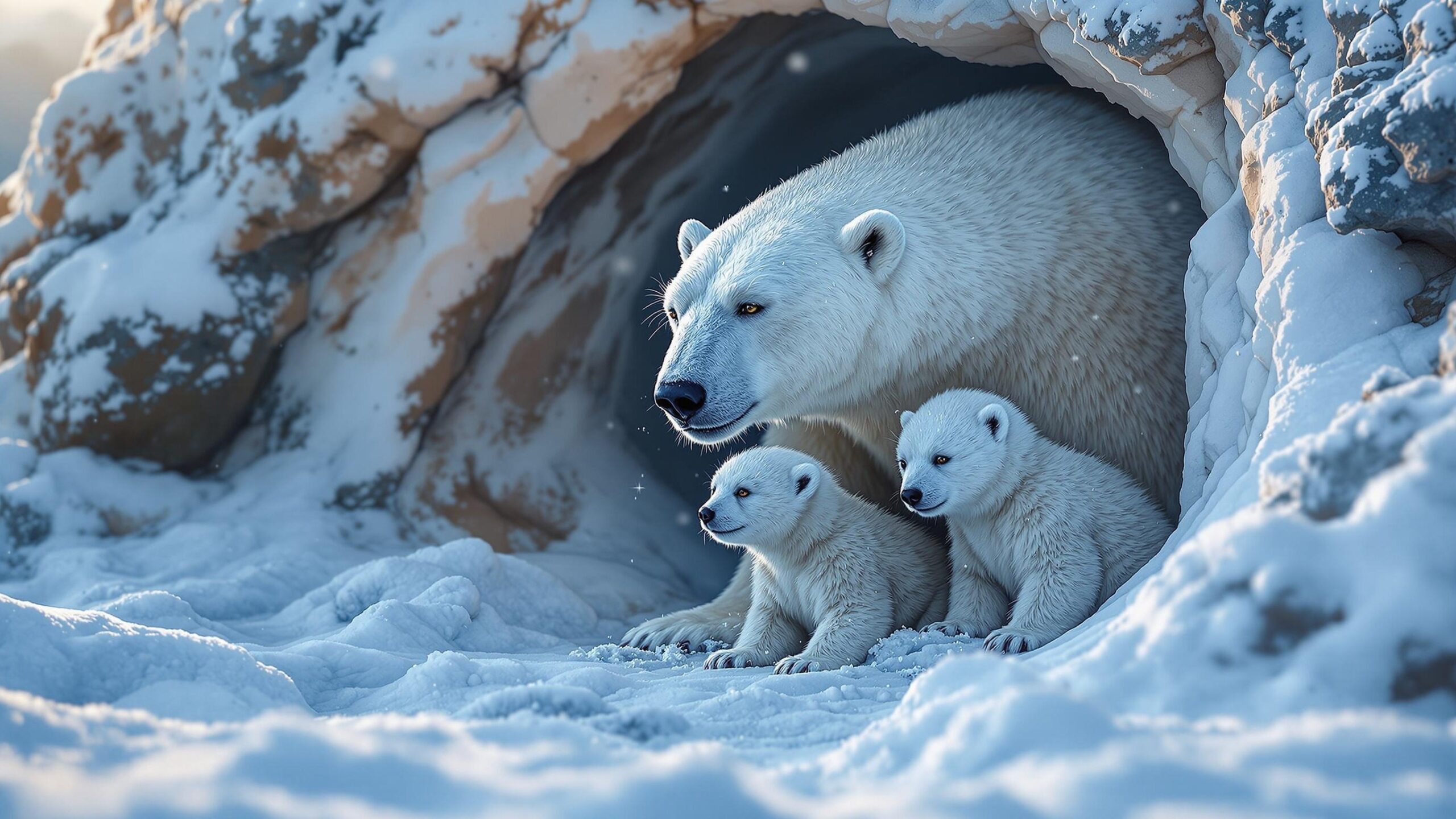
Their ecological role may include predation, grazing effects, prey regulation, nutrient movement, shelter use, or influence on food webs.
Human Relationship
People encounter these animals through coasts, rivers, protected areas, tourism, fisheries, roads, climate stories, restoration projects, and field guides.
Public interest should lead to better recognition and respect, especially around Sea-ice loss, climate warming, pollution, shipping, oil activity, human-bear conflict.
Conservation And Habitat Pressure
Sea-ice loss, climate warming, pollution, shipping, oil activity, human-bear conflict, food stress, and regional management shape the polar bear story. For Polar Bear, the conservation picture centers on Sea-ice loss, climate warming, pollution, shipping, oil activity, human-bear conflict.
That context is more useful than vague alarm because it names the pressures that affect the animal and the habitat it relies on.
Common Misunderstandings
A common mistake is treating one famous trait as the whole story of Polar Bear.
Polar bears need comparison through body shape, movement, habitat, diet, adult size, and real-world behavior. That approach makes the page more accurate and more useful.
Similar Marine Mammals
Polar bears are compared with brown bears, grizzly bears, black bears, Arctic foxes, seals, and other marine mammals of polar regions. The closest comparisons should focus on They differ through sea-ice hunting, marine mammal status, white-looking fur, huge paws, swimming ability, and a life centered on seals rather than loose resemblance.
Those traits keep the comparison grounded in sea-ice hunting, marine mammal status, white-looking fur, huge paws, swimming ability, and a life centered on seals. Structure, behavior, and habitat give the comparison more value than color alone.
How To Read Images
A polar bear image is strongest when it clearly shows paw size, head and neck shape, fur condition, posture, ice or shoreline context, swimming signs, and body condition. A useful photo should help readers notice Polar bears are best understood through body shape, movement, habitat, and feeding style.
The best image habit is to connect visible details to the animal’s real setting: sea ice, leads, pressure ridges, coastal areas, islands.
Why Polar Bears Matter
Polar bears matter because they turn habitats into visible natural history. They show how large body, insulating fur, black skin, small ears, long neck, mostly solitary Arctic predators shaped by ice conditions, seal availability, scent tracking, seasonal fasting, maternity dens, and place fit together.
Polar Bear adds another angle to that idea: polar bears are Arctic marine mammals whose lives are built around sea ice, seals, cold, distance, and changing climate conditions. That takeaway is strongest when it stays connected to habitat, diet, movement, and the conservation pressures named above.
Texture, Head Shape, And Posture
The useful clues are specific: Large body, insulating fur, black skin, small ears, long neck.
For polar bears, those clues keep the page specific and prevent nearby animals from blurring together.
Habitat And Daily Choices
Polar Bear habitat shapes daily choices through sea ice, leads, pressure ridges, coastal areas, islands.
For polar bears, surrounding water, ice, shorelines, rocks, kelp, banks, dens, wetlands, or human edges are part of the identification story.
Safety And Observation
Observation should stay calm and distant so Polar Bear can feed, rest, move, or shelter without being pushed into defensive behavior.
For polar bears, a careful observer watches movement, resting, feeding, shelter use, social spacing, and retreat behavior instead of staging a closer look.
Adult Size And Scale
Images of Polar Bear should be checked against adult scale, habitat, and posture instead of one convenient angle.
Adult scale changes how readers interpret Polar bears mainly hunt seals, especially ringed and bearded seals, but may also eat carcasses, birds, eggs, shelter, risk, and comparison with nearby marine mammals and animals with overlapping habitat or body shape.
Color, Pattern, And Identification
Color helps, but Polar Bear should be checked through structure, habitat, posture, and movement because lighting and age can change the first impression.
That is why polar bears need structure-based identification: body shape, head, surface texture, movement, adult size, and habitat.
Seasonal Or Environmental Rhythm
Wild animals live inside rhythms that photographs rarely explain: heat, cold, rain, drought, sea ice, tides, breeding seasons, prey movement, and water-level changes.
Those rhythms matter for polar bears because the animal’s body and behavior evolved around changing conditions rather than around a static portrait.
Reader Comparison Checklist
A useful comparison starts with large body, insulating fur, black skin, small ears, long neck, then checks Polar bears walk across ice, swim between ice or shore areas, stalk seal breathing holes, travel long distances, dig dens and habitat.
For polar bears, the checklist shows why one animal belongs here while a similar-looking neighbor may belong in a different nearby group or use a different daily routine.
Habitat Clues In Practice
Habitat clues should point to the real setting: Sea ice, leads, pressure ridges, coastal areas, islands.
For Polar Bear, habitat evidence helps explain feeding, cover, movement, and shelter.
Small Details Worth Slowing Down For
Small details matter most when they point to large body, insulating fur, black skin, small ears, long neck or Polar bears walk across ice, swim between ice or shore areas, stalk seal breathing holes, travel long distances, dig dens.
For polar bears, slowing down protects accuracy because the most obvious common-name clue is not always the most reliable clue.
What Good Photos Should Show
A strong photo of polar bears shows the full body, head shape, surface texture, posture, and enough surrounding habitat to explain the animal’s choices.
A useful image pair should show recognition detail plus the setting or behavior that explains Polar bears are best understood through body shape, movement, habitat, and feeding style.
The Practical Reading Habit
The practical reading path is simple for this page: confirm large body, insulating fur, black skin, small ears, long neck, place it in sea ice, leads, pressure ridges, coastal areas, islands, and connect those clues to diet and behavior.
For polar bears, that turns a familiar or intimidating animal into usable natural history.
Identification Summary
To identify polar bears, look for huge Arctic bears with white-looking fur, long necks, large paws, black noses, and sea-ice or Arctic shoreline habitat cues.
The quick pattern is large body, insulating fur, black skin, small ears, long neck plus mostly solitary Arctic predators shaped by ice conditions, seal availability, scent tracking, seasonal fasting, maternity dens; those clues make the animal easier to compare.
Simple Takeaway
That detail remains useful for Polar Bear: polar bears are Arctic marine mammals whose lives are built around sea ice, seals, cold, distance, and changing climate conditions.
The useful profile connects Polar Bear to sea ice, leads, pressure ridges, coastal areas, islands, Polar bears mainly hunt seals, especially ringed and bearded seals, but may also eat carcasses, birds, eggs, Polar bears walk across ice, swim between ice or shore areas, stalk seal breathing holes, travel long distances, dig dens, and Sea-ice loss, climate warming, pollution, shipping, oil activity, human-bear conflict.