What Defines a Toad
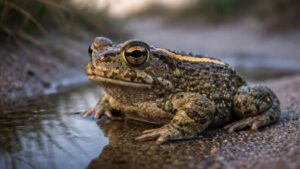
Toads are frequently distinguished from frogs by their dry, warty skin and preference for terrestrial habitats, but the distinction is more nuanced than simple appearance. Many toads possess specialized parotoid glands behind their eyes that secrete toxins, providing chemical defenses against predators. Their shorter legs, compared with frogs, favor walking and short hops rather than long leaps, reflecting adaptations to ground-dwelling lifestyles. These physical characteristics are part of a broader suite of evolutionary features that support survival in diverse environments.
Biologically, toads share fundamental amphibian traits such as permeable skin, external fertilization, and complex life cycles that transition from aquatic larvae to terrestrial adults. Tadpoles undergo metamorphosis, developing limbs and lungs while resorbing tails, a transformation that symbolizes amphibian adaptability. Toads often breed in temporary pools or ponds, reducing competition and predation while ensuring successful reproduction. Their ability to exploit ephemeral habitats demonstrates evolutionary ingenuity that has allowed them to persist for millions of years.
Evolutionary Roots and Global Distribution
The evolutionary journey of toads traces back to ancient amphibian ancestors that navigated dramatic shifts in climate and geography. Fossil evidence suggests that early bufonids diversified alongside flowering plants and insects, benefiting from expanding terrestrial ecosystems. Over time, toads radiated into multiple lineages, adapting to tropical rainforests, arid deserts, mountainous terrains, and temperate woodlands. This diversification reflects a combination of physiological flexibility and behavioral plasticity. Today, toads inhabit nearly every region of the globe, with remarkable diversity in the tropics and subtropics. Some species endure extreme desert conditions by burrowing underground and entering states of dormancy, while others thrive in humid rainforests where moisture is abundant. Urban environments have also become surprising strongholds for certain toads, demonstrating their ability to coexist with human development. Their global presence highlights a successful evolutionary strategy rooted in adaptability and resilience.
True Toads of the Bufonidae Family
True toads, belonging to the family Bufonidae, represent the most recognizable and widespread group within the toad category. These species are characterized by robust bodies, prominent toxin-secreting glands, and terrestrial lifestyles that often bring them into close contact with human habitats. Iconic examples include the American toad, the common European toad, and the formidable cane toad, each illustrating the diversity within this family. Their ecological roles range from insect control to serving as prey for birds, mammals, and reptiles.
Bufonids display a variety of reproductive strategies and habitat preferences that reflect their evolutionary versatility. Many species gather in large breeding aggregations during seasonal rains, creating vibrant choruses that signal reproductive activity. Others rely on solitary lifestyles, emerging primarily at night to forage for invertebrates. The adaptive success of true toads underscores their importance as foundational members of amphibian communities across continents.
Harlequin Toads and Tropical Specialists
Harlequin toads, belonging to the genus Atelopus, represent a visually striking and ecologically specialized subgroup within the broader toad category. Known for their vivid coloration and slender bodies, these species inhabit fast-flowing streams in Central and South American rainforests. Their bright patterns often serve as warning signals, advertising chemical defenses that deter predators. Harlequin toads embody the intricate relationship between appearance, behavior, and survival in complex tropical ecosystems. These tropical specialists exhibit fascinating reproductive behaviors, including egg deposition in flowing water and parental strategies that enhance offspring survival. However, many harlequin toads face significant conservation challenges due to habitat loss, climate change, and disease. Their vulnerability highlights the delicate balance that governs tropical biodiversity and underscores the need for continued research and conservation efforts. Studying harlequin toads offers insights into amphibian adaptation and ecosystem health.
Spadefoot Toads and Desert Survivors
Spadefoot toads represent a remarkable example of amphibian adaptation to arid environments. Equipped with hardened, spade-like structures on their hind feet, these toads excel at burrowing into sandy soils where they escape heat and desiccation. Species such as the Couch’s spadefoot demonstrate extraordinary physiological adaptations, including the ability to remain dormant underground for extended periods until rainfall triggers emergence and breeding. Their life cycles are finely tuned to unpredictable desert conditions.
When rains arrive, spadefoot toads emerge en masse to exploit temporary pools, where rapid breeding and accelerated tadpole development maximize reproductive success. Some species produce carnivorous tadpoles capable of faster growth, illustrating evolutionary innovation driven by environmental constraints. These desert specialists reveal how toads have diversified beyond traditional wet habitats, expanding the ecological boundaries of amphibian life.
Fire-Belly and Poisonous Toad Relatives
While commonly associated with frogs, several species often referred to as fire-belly toads and poison toads share ecological and morphological characteristics with true toads. Their vibrant coloration serves as aposematic signaling, warning predators of chemical defenses that can be potent deterrents. These species inhabit wetlands, forests, and riparian environments, contributing to ecosystem balance through insect predation and serving as indicators of environmental quality. The interplay between toxicity, coloration, and predator avoidance exemplifies evolutionary arms races that shape amphibian diversity. Fire-belly toads, with their striking ventral patterns, display defensive behaviors such as arching their bodies to reveal warning colors. These adaptations highlight the dynamic interactions between prey and predator that drive evolutionary innovation across the amphibian world.
Ecological Roles and Environmental Importance
Toads occupy vital ecological niches that extend far beyond their modest size. As insectivores, they regulate populations of mosquitoes, beetles, and agricultural pests, contributing to ecosystem stability and human well-being. Their presence in gardens and agricultural landscapes often represents a natural form of pest control that benefits both biodiversity and food production. Additionally, toads serve as prey for numerous predators, forming integral links within food webs.
Beyond trophic interactions, toads function as environmental indicators due to their permeable skin and sensitivity to pollution and habitat changes. Declines in toad populations can signal broader ecological disturbances, prompting conservation action and research. Their dual role as ecological regulators and environmental sentinels underscores the importance of preserving amphibian diversity in a rapidly changing world.
Behavior, Communication, and Life Cycles
Toad behavior reflects a balance between survival strategies and reproductive imperatives. Many species are nocturnal, emerging under the cover of darkness to forage while minimizing exposure to predators and dehydration. Vocal communication plays a central role in breeding, with males producing distinctive calls that attract females and establish territories. These choruses can transform wetlands into vibrant acoustic landscapes during breeding seasons. The life cycle of toads exemplifies amphibian adaptability, transitioning from aquatic larvae to terrestrial adults capable of exploiting diverse habitats. Metamorphosis involves dramatic morphological and physiological changes that prepare young toads for life on land. Seasonal behaviors such as hibernation or estivation further demonstrate their capacity to cope with environmental extremes. Observing toad behavior reveals a world of complexity beneath seemingly simple movements.
Conservation Challenges and Future Outlook
Despite their resilience, toads face a range of conservation challenges that threaten populations worldwide. Habitat destruction, pollution, climate change, and emerging diseases have contributed to declines in many species, particularly those with specialized habitat requirements. Invasive species and human development further complicate conservation efforts, highlighting the need for habitat protection and ecological restoration.
Conservation initiatives increasingly focus on monitoring populations, protecting breeding habitats, and mitigating disease impacts. Public awareness and community engagement play crucial roles in safeguarding toad populations, especially in urban and agricultural settings where human interaction is frequent. The future of toads depends on collaborative efforts that integrate scientific research, conservation policy, and grassroots action.
A Gateway to Amphibian Discovery
Toads represent more than a single amphibian group; they serve as ambassadors for the broader amphibian world and its extraordinary diversity. Their varied forms, behaviors, and habitats provide endless opportunities for exploration and learning, inviting readers to delve deeper into individual species and ecological stories. From desert burrowers to rainforest specialists, each sub-category offers unique insights into adaptation and survival. This pillar page is only the beginning of a journey through the captivating realm of toads. Exploring sub-category pages dedicated to specific groups and species reveals deeper narratives of evolution, behavior, and ecological significance. As curiosity leads to discovery, toads emerge not merely as familiar garden visitors but as remarkable participants in Earth’s living tapestry, inspiring appreciation and stewardship for amphibian diversity.