
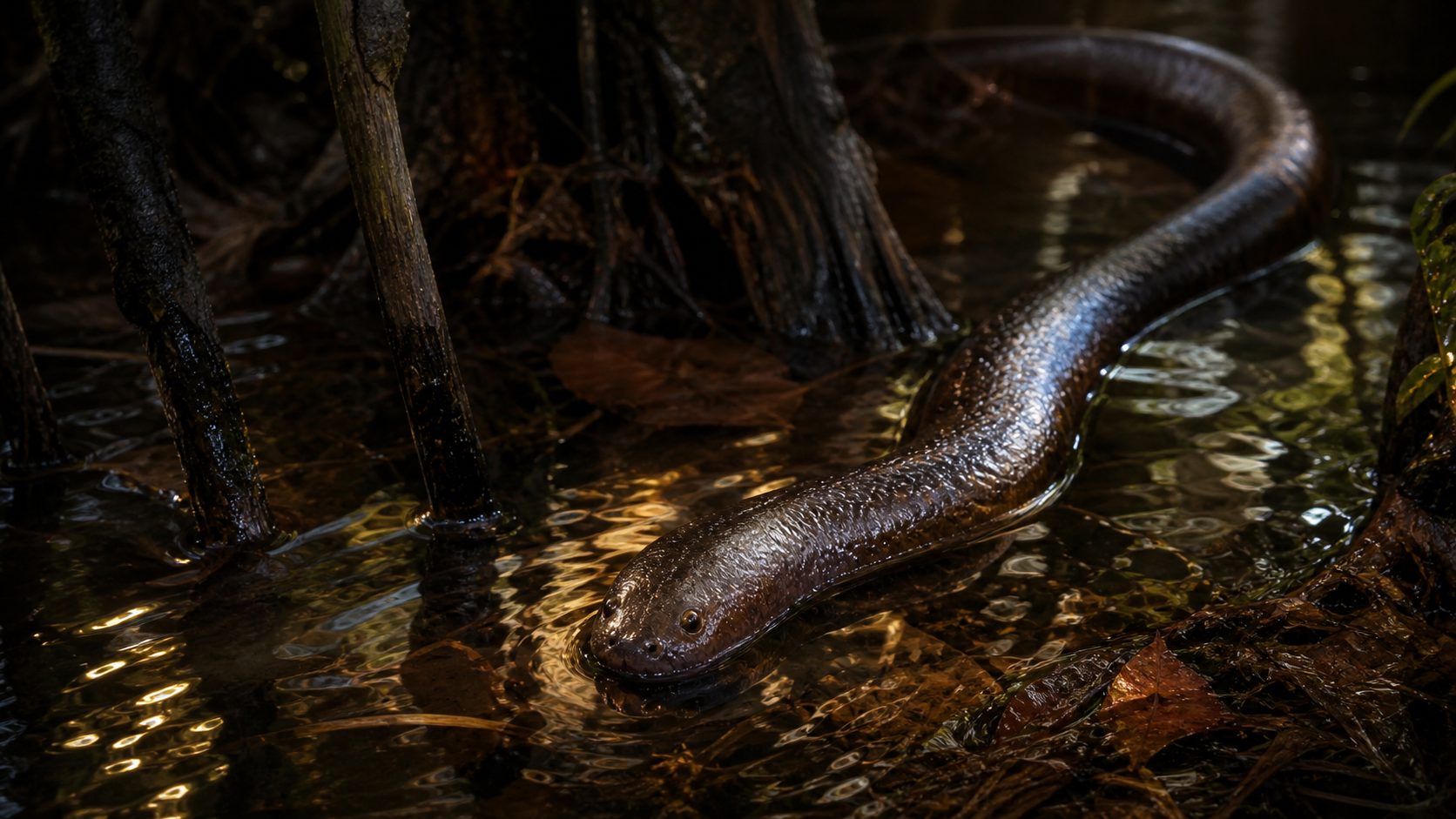
The Secret World of Amphiumas
Hidden beneath the surface of slow-moving waters and shadowy wetlands lives a group of creatures so unusual they seem almost mythical. Amphiumas are among the most enigmatic amphibians on Earth, blending the serpentine elegance of eels with the quiet resilience of salamanders. Their elongated bodies, reduced limbs, and secretive lifestyles make them both fascinating and elusive, often remaining unseen even in habitats where they thrive. For those willing to look closely, however, amphiumas reveal a story of survival, adaptation, and ancient lineage stretching back millions of years. These remarkable amphibians belong to a small but distinctive group within the broader salamander family. Unlike the brightly colored or forest-dwelling salamanders many people imagine, amphiumas are aquatic specialists, perfectly adapted to life in murky swamps, marshes, and slow rivers. Their biology is a study in extremes, from their surprisingly powerful jaws to their ability to endure low-oxygen environments. This pillar page serves as a gateway into their world, exploring their defining traits and introducing the major types that make up this fascinating category.
A: Start with body shape and habitat, then use color, markings, size, and behavior as confirmation.
A: Because Amphiumas has its own mix of structure, habitat, feeding, and comparison clues.
A: Compare it with the nearest parent, child, or lookalike pages before treating one trait as final.
A: No. Age, season, lighting, region, and posture can all change the first impression.
A: Look for the setting that explains the animal: water, cover, vegetation, substrate, altitude, reef, burrow, branch, or open ground.
A: The exact diet depends on the animal, but mouth shape, movement, and habitat usually reveal the feeding strategy.
A: Many animals change size, color, pattern, diet, risk, or habitat between young and adult stages.
A: Use the photo to check eye position, body outline, limbs or fins, texture, posture, and surrounding habitat.
A: Yes. Every animal affects food webs, habitat structure, competition, nutrient movement, or predator-prey balance in some way.
A: It should connect the animal's visible traits to how it survives, moves, feeds, and fits the taxonomy.
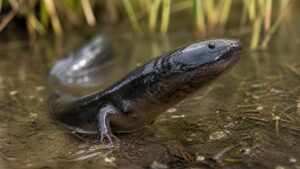
Three-toed Amphiuma
A Quiet Giant Beneath the Surface The three-toed amphiuma, scientifically known as Amphiuma tridactylum, is one of North America’s most unusual amphibians. At first glance, it resembles a snake or eel, but closer inspection reveals its true identity as a salamander. This secretive creature inhabits slow-moving waters across the southeastern United States, often remaining hidden beneath mud, vegetation, or submerged debris. Its elongated body and reduced limbs give it an
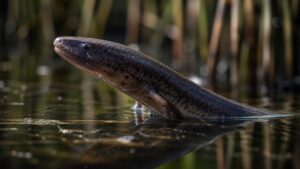
Two-toed Amphiuma
The two-toed amphiuma, scientifically known as Amphiuma means, is one of the most unusual and often misunderstood amphibians in North America. With its long, eel-like body and tiny, almost vestigial limbs, it appears more like a snake than a salamander. Yet beneath that strange appearance lies a fascinating creature perfectly adapted to life in slow-moving waters and swampy environments. This species is part of a small but remarkable group of
What Defines an Amphiuma
Amphiumas are eel-like salamanders belonging to the family Amphiumidae, characterized by their long, cylindrical bodies and extremely reduced limbs. At first glance, they can easily be mistaken for snakes or eels, yet a closer look reveals tiny vestigial legs—often no more than small protrusions with one, two, or three toes. These limbs, though minimal, distinguish them from other elongated aquatic animals and highlight their evolutionary path from more typical salamander ancestors.
Their skin is smooth and coated with a thin layer of mucus that helps protect them and maintain moisture, an essential trait for amphibians. Amphiumas are primarily nocturnal, spending their days hidden beneath debris or buried in mud, emerging at night to hunt. Their diet includes fish, crustaceans, insects, and even other amphibians, making them important predators in their ecosystems. Despite their secretive nature, they play a crucial role in maintaining ecological balance within wetland habitats.
Life in the Shadows: Habitat and Behavior
Amphiumas are native to the southeastern United States, where they inhabit a range of freshwater environments including swamps, bayous, ditches, and slow-moving streams. These habitats are often rich in organic material, providing ample hiding places and a steady supply of prey. The murky waters they prefer offer protection from predators while allowing them to ambush unsuspecting prey with remarkable efficiency. One of the most fascinating aspects of amphiuma behavior is their ability to survive in harsh conditions. During periods of drought, they can burrow into the mud and enter a state of dormancy, conserving energy until water returns. This resilience allows them to persist in environments that would be inhospitable to many other species. Their adaptability is a testament to their evolutionary success and highlights the importance of preserving the wetlands they call home.
One-Toed Amphiumas: The Rarest Form
The one-toed amphiuma represents the most unusual and least commonly encountered member of this group. As its name suggests, this species possesses a single toe on each of its tiny limbs, a feature that sets it apart from its relatives. Its rarity and limited range make it a subject of particular interest among herpetologists and wildlife enthusiasts.
These amphiumas tend to inhabit very specific wetland environments, often requiring pristine conditions to thrive. Their elusive nature means that much of their behavior remains poorly documented, adding to their mystique. Observing a one-toed amphiuma in the wild is a rare and memorable experience, offering a glimpse into one of the more obscure branches of amphibian evolution.
Two-Toed Amphiumas: Masters of Adaptation
The two-toed amphiuma is perhaps the most widespread and adaptable species within the group. With two toes on each limb, it strikes a balance between the minimalism of the one-toed variety and the slightly more developed limbs of the three-toed species. This adaptability has allowed it to occupy a wide range of habitats, from swamps to man-made canals. These amphiumas are known for their impressive size, sometimes reaching lengths of over three feet. Their powerful jaws and aggressive feeding behavior make them formidable predators despite their otherwise unassuming appearance. They are also among the most commonly encountered amphiumas, often appearing in studies and observations that help scientists better understand the group as a whole.
Three-Toed Amphiumas: The Classic Representative
The three-toed amphiuma is often considered the archetypal member of this family. With slightly more developed limbs bearing three toes, it provides a clearer link to the broader salamander lineage. This species is widely distributed and plays a significant role in the ecosystems it inhabits.
Three-toed amphiumas are particularly known for their resilience and longevity. They can live for many years, quietly navigating their watery environments and contributing to the balance of their ecosystems. Their presence is often an indicator of healthy wetland conditions, making them an important species for conservation monitoring efforts.
Feeding, Hunting, and Survival Strategies
Amphiumas are opportunistic carnivores, relying on stealth and patience to capture their prey. Their elongated bodies allow them to move fluidly through water and vegetation, while their keen sense of touch helps them detect movement in low-visibility conditions. Once prey is located, they strike quickly, using their strong jaws to secure their meal. Their diet is diverse, reflecting the abundance of life in their habitats. From small fish to aquatic insects, amphiumas play a key role in controlling populations of various species. This predatory behavior helps maintain ecological balance, ensuring that no single group becomes overly dominant. Their feeding habits also highlight their adaptability, as they can adjust their diet based on availability.
Reproduction and Life Cycle
The reproductive strategies of amphiumas are as intriguing as their physical characteristics. Unlike many amphibians, they exhibit a degree of parental care, with females guarding their eggs until they hatch. This behavior increases the chances of survival for their offspring, particularly in environments where predators are abundant.
Eggs are typically laid in moist areas near water, allowing the developing young to transition smoothly into their aquatic lifestyle. Once hatched, juvenile amphiumas resemble miniature versions of adults, gradually growing and adapting to their surroundings. This life cycle underscores their connection to both aquatic and terrestrial environments, a hallmark of amphibian biology.
Ecological Importance and Conservation
Amphiumas play a vital role in the ecosystems they inhabit, acting as both predators and prey. Their presence helps regulate populations of smaller aquatic organisms, while they themselves provide food for larger predators. This interconnectedness highlights the importance of maintaining healthy wetland environments. Despite their resilience, amphiumas face threats from habitat destruction, pollution, and climate change. Wetland drainage and development can significantly impact their populations, reducing the availability of suitable habitats. Conservation efforts aimed at preserving wetlands are crucial for ensuring the survival of these unique amphibians and the many other species that depend on these ecosystems.
Why Amphiumas Matter More Than You Think
At first glance, amphiumas might seem like obscure creatures tucked away in remote swamps, far removed from everyday life. Yet their existence tells a broader story about biodiversity, adaptation, and the delicate balance of ecosystems. They are living reminders of the complexity and resilience of life, embodying evolutionary strategies that have allowed them to endure for countless generations.
By exploring the world of amphiumas, we gain a deeper appreciation for the hidden layers of nature that often go unnoticed. Each species, each behavior, and each habitat contributes to a larger narrative of survival and interconnectedness. These amphibians challenge us to look beyond the obvious and discover the extraordinary within the overlooked.
Continue the Journey Into Amphiumas
The world of amphiumas is far richer and more complex than it first appears. From the rare one-toed species to the adaptable two-toed and the classic three-toed varieties, each sub-category offers its own unique insights into evolution and ecology. Exploring these individual groups in greater detail reveals new layers of understanding, from their behaviors to their roles within their environments. Let this be your starting point. Dive deeper into each sub-category, uncover their secrets, and experience the quiet wonder of these remarkable amphibians. The more you explore, the more you will realize that even the most hidden creatures have extraordinary stories waiting to be discovered.
Animal Product Reviews
Dive into Animal Streets’ Animal Product Reviews — your guide to the best gear, gifts, books, and gadgets inspired by the animal kingdom. From land-roaming lions to ocean-gliding whales, from household pets to prehistoric giants, we explore top-rated products for enthusiasts, educators, and animal lovers alike. Whether you’re shopping for toys, decor, field gear, or fun collectibles, we’ve sniffed out the best so you can discover it all in one wild place!