
A Quiet Giant Beneath the Surface
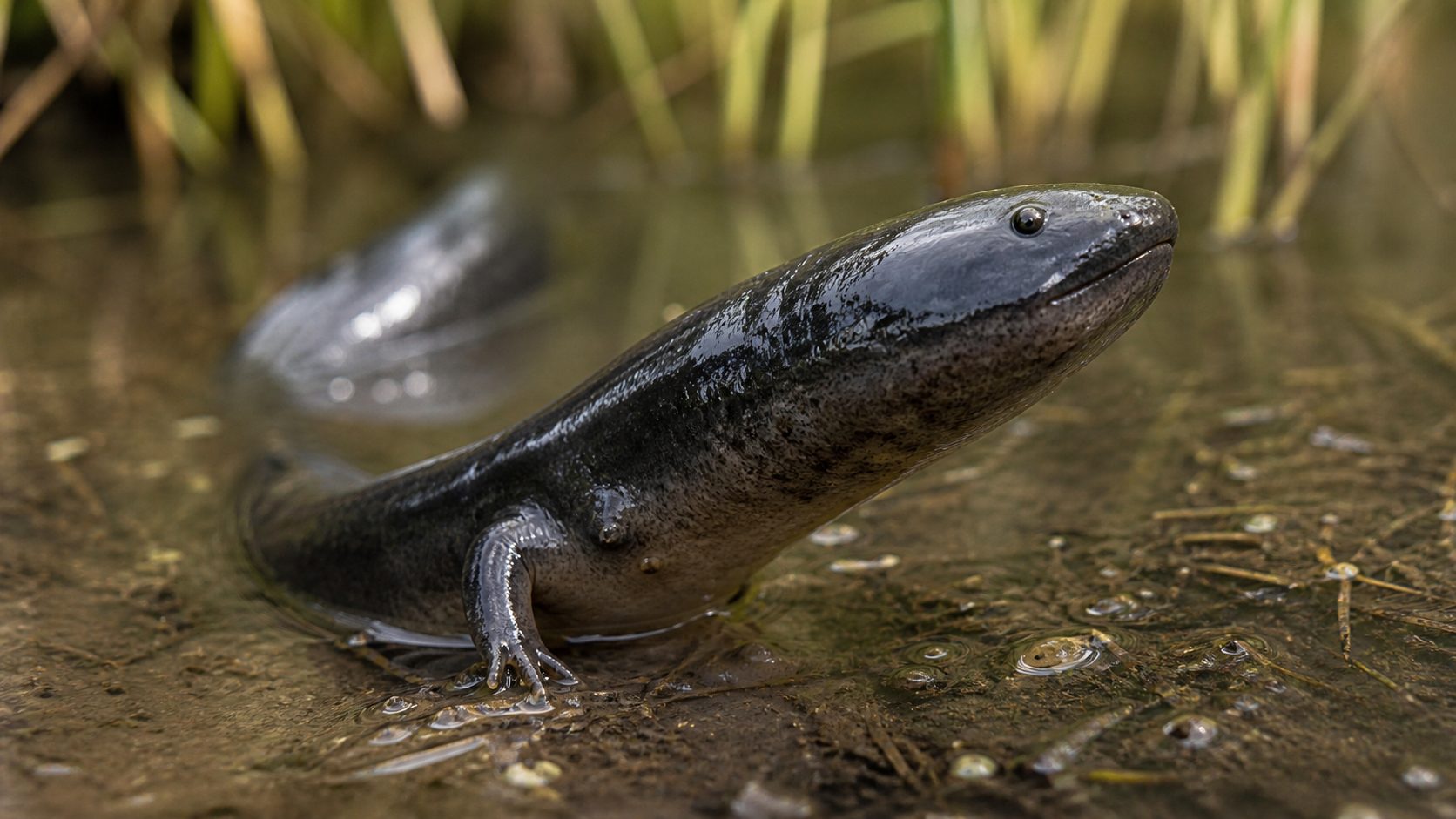
The three-toed amphiuma, scientifically known as Amphiuma tridactylum, is one of North America’s most unusual amphibians. At first glance, it resembles a snake or eel, but closer inspection reveals its true identity as a salamander. This secretive creature inhabits slow-moving waters across the southeastern United States, often remaining hidden beneath mud, vegetation, or submerged debris. Its elongated body and reduced limbs give it an almost prehistoric appearance, sparking curiosity among scientists and nature enthusiasts alike. Despite its elusive nature, the three-toed amphiuma plays a vital role in its ecosystem. It is a predator that helps regulate populations of smaller aquatic animals, contributing to ecological balance. Its ability to survive in oxygen-poor environments and its adaptability to seasonal changes make it a fascinating subject of study. Though rarely seen, it represents a remarkable example of evolutionary specialization within amphibians.
A: Start with body shape and habitat, then use color, markings, size, and behavior as confirmation.
A: Because Three-toed Amphiuma has its own mix of structure, habitat, feeding, and comparison clues.
A: Compare it with the nearest parent, child, or lookalike pages before treating one trait as final.
A: No. Age, season, lighting, region, and posture can all change the first impression.
A: Look for the setting that explains the animal: water, cover, vegetation, substrate, altitude, reef, burrow, branch, or open ground.
A: The exact diet depends on the animal, but mouth shape, movement, and habitat usually reveal the feeding strategy.
A: Many animals change size, color, pattern, diet, risk, or habitat between young and adult stages.
A: Use the photo to check eye position, body outline, limbs or fins, texture, posture, and surrounding habitat.
A: Yes. Every animal affects food webs, habitat structure, competition, nutrient movement, or predator-prey balance in some way.
A: It should connect the animal's visible traits to how it survives, moves, feeds, and fits the taxonomy.
Anatomy That Defies Expectations
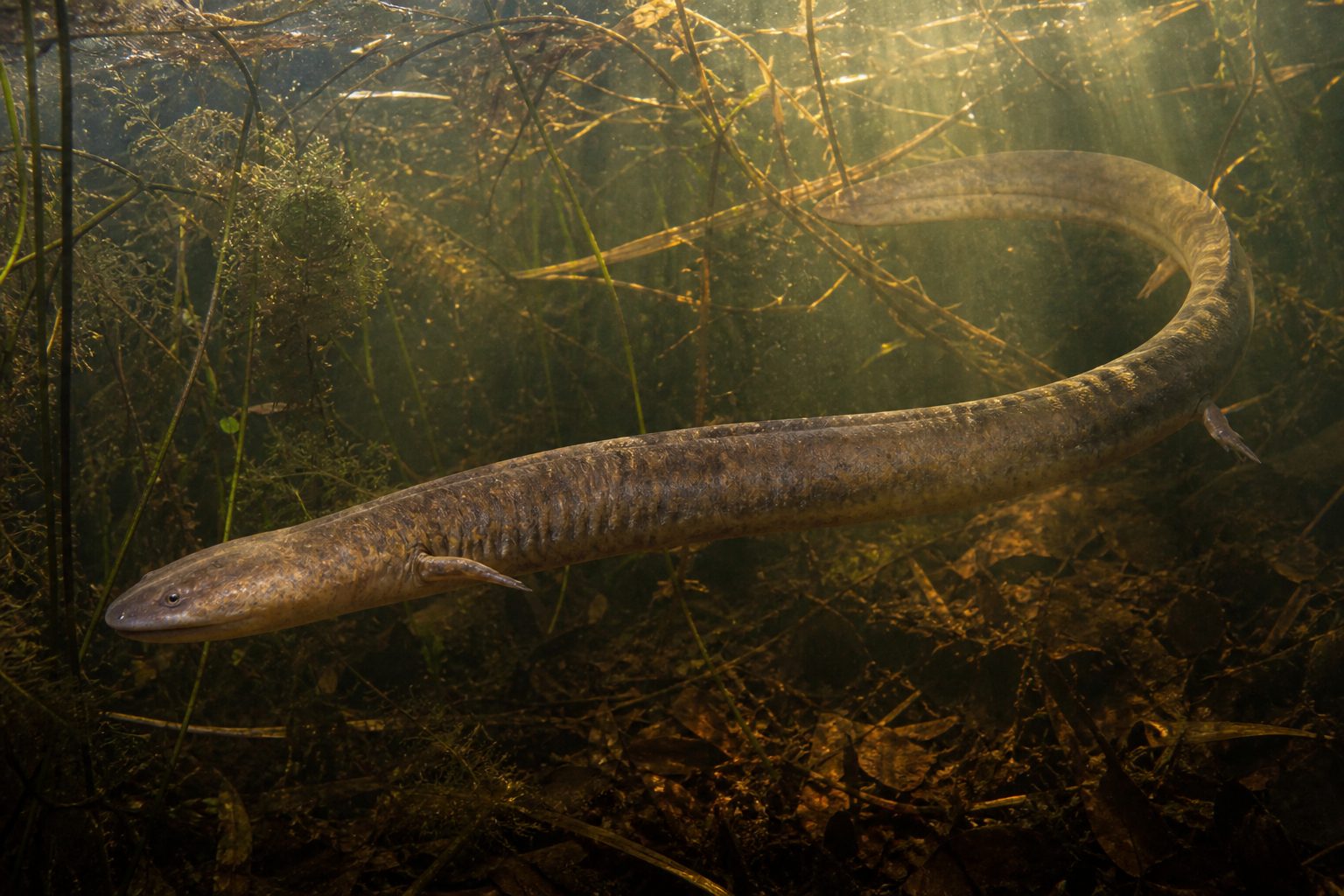
The body of the three-toed amphiuma is long, cylindrical, and muscular, often reaching lengths of up to three feet. Its dark gray or brown skin is smooth and slightly glossy, helping it glide effortlessly through water and mud. Unlike most salamanders, it has extremely small limbs, each ending in three tiny toes, which give the species its name. These limbs are not used for walking in the traditional sense but assist with subtle movements and anchoring.
Internally, the amphiuma is equally fascinating. It possesses both lungs and rudimentary gills, allowing it to survive in environments where oxygen levels fluctuate. Its eyes are small and lack eyelids, reflecting its reliance on other senses such as touch and chemical detection. The mouth is lined with sharp teeth, adapted for gripping slippery prey. This combination of features makes the three-toed amphiuma one of the most specialized amphibians in North America.
Habitat of Shadows and Still Waters
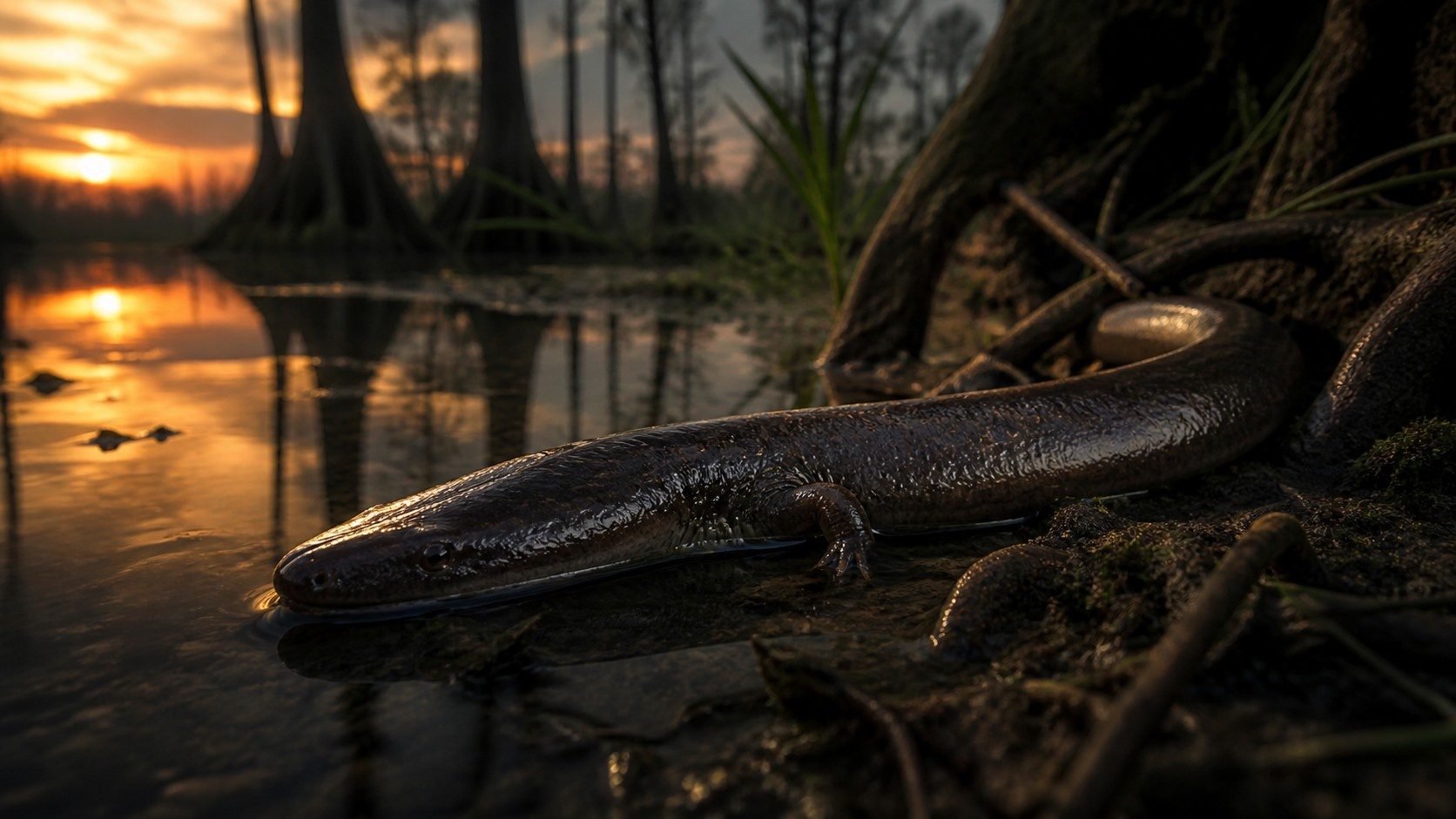
Three-toed amphiumas prefer quiet, freshwater habitats such as swamps, bayous, marshes, and slow-moving streams. These environments are often rich in organic material, creating murky waters where visibility is low. The amphiuma thrives in these conditions, using its elongated body to navigate tight spaces among roots and debris. It often burrows into mud during dry periods, entering a state of dormancy until water levels return. Seasonal changes greatly influence its behavior. During wet periods, it becomes more active, hunting and exploring its surroundings. In contrast, drought conditions may force it underground, where it can survive for extended periods. This resilience allows the species to persist in habitats that might be inhospitable to other amphibians. Its presence is often an indicator of a healthy wetland ecosystem.
Feeding Strategies of a Stealth Predator
The three-toed amphiuma is a carnivorous predator with a diet that includes fish, insects, crustaceans, and other small aquatic animals. It relies on stealth rather than speed, often lying in wait for unsuspecting prey. When an opportunity arises, it strikes quickly, using its strong jaws and sharp teeth to secure its meal. This ambush strategy is highly effective in the murky environments it inhabits.
Its feeding behavior is closely tied to its sensory adaptations. The amphiuma detects vibrations and chemical cues in the water, allowing it to locate prey even in complete darkness. This makes it an efficient hunter in environments where visibility is limited. By controlling populations of smaller organisms, it plays a crucial role in maintaining ecological balance within its habitat.
Breathing Between Two Worlds
One of the most remarkable features of the three-toed amphiuma is its ability to breathe both in water and air. It primarily uses lungs to breathe atmospheric oxygen but can also absorb oxygen through its skin. This dual capability allows it to survive in oxygen-depleted waters where other species might struggle. It frequently surfaces to gulp air, especially in stagnant environments. This adaptability is a key factor in its survival. In drought conditions, when water bodies shrink and oxygen levels drop, the amphiuma can retreat into burrows and rely more heavily on its lung-based respiration. This flexibility highlights the evolutionary advantages of amphibians, which bridge the gap between aquatic and terrestrial life. It also underscores the resilience of the species in the face of environmental challenges.
Reproduction in Hidden Realms
Reproduction in the three-toed amphiuma is a secretive process that typically occurs in aquatic environments. Females lay eggs in protected areas such as burrows or beneath submerged debris. Unlike many amphibians, the female often guards the eggs, wrapping her body around them to provide protection and maintain moisture. This level of parental care is relatively rare among amphibians.
The eggs hatch into larvae that resemble miniature versions of the adults, gradually developing into fully formed amphiumas. Growth is slow, and individuals may take several years to reach maturity. This extended development period reflects the stable but challenging environments in which they live. By investing in fewer, well-protected offspring, the species increases the chances of survival for the next generation.
Behavior Beneath the Mud
The three-toed amphiuma is primarily nocturnal, emerging from its hiding places under the cover of darkness. During the day, it remains concealed in mud, vegetation, or submerged structures. This behavior helps it avoid predators and conserve energy. Its movements are slow and deliberate, reflecting its reliance on stealth rather than speed. When threatened, the amphiuma can deliver a powerful bite, despite its generally passive nature. It is not aggressive toward humans but will defend itself if handled. Its secretive lifestyle means that encounters with people are rare. This elusive behavior adds to its mystique and makes it a fascinating subject for researchers and naturalists.
Evolutionary Roots and Relatives
The three-toed amphiuma belongs to a group of amphibians that have evolved highly specialized adaptations for aquatic life. Its closest relatives include other amphiuma species, such as the Amphiuma means and Amphiuma pholeter. These species share similar body plans but differ in limb structure and habitat preferences.
The evolutionary history of amphiumas is not fully understood, but they are believed to have diverged from other salamanders millions of years ago. Their elongated bodies and reduced limbs are examples of convergent evolution, resembling features seen in unrelated animals like eels and snakes. This unique evolutionary path highlights the diversity and adaptability of amphibians as a group.
Ecological Importance in Wetland Systems
Within their ecosystems, three-toed amphiumas serve as both predators and prey. They help control populations of smaller aquatic organisms, contributing to the balance of food webs. At the same time, they are prey for larger animals such as birds, mammals, and reptiles. This dual role underscores their importance in maintaining ecological stability. Wetlands, the primary habitat of amphiumas, are among the most productive ecosystems on Earth. They provide essential services such as water filtration, flood control, and habitat for diverse species. The presence of amphiumas can indicate the health of these environments. Protecting wetlands not only benefits this unique salamander but also supports a wide range of other life forms.
Conservation Without Alarm
While the three-toed amphiuma is not currently considered highly endangered, it faces challenges related to habitat loss and environmental changes. Wetland drainage, pollution, and development can impact its populations by reducing suitable habitats. However, the species’ adaptability provides some resilience against these threats.
Conservation efforts focused on preserving wetlands and maintaining water quality are crucial for its continued survival. Public awareness and appreciation of such lesser-known species can also play a role in their protection. By understanding and valuing the three-toed amphiuma, we contribute to the broader goal of preserving biodiversity.
A Creature of Mystery and Wonder
The three-toed amphiuma remains one of the most enigmatic amphibians in North America. Its secretive lifestyle, unusual appearance, and remarkable adaptations make it a subject of ongoing fascination. Despite its obscurity, it represents a vital piece of the ecological puzzle, demonstrating the complexity and diversity of life in wetland environments. For those who take the time to learn about it, the amphiuma offers a glimpse into a hidden world beneath the water’s surface. It reminds us that even the most overlooked creatures have stories worth telling. In the quiet depths of southern swamps, this elusive salamander continues to thrive, embodying the resilience and wonder of the natural world.
Animal Product Reviews
Dive into Animal Streets’ Animal Product Reviews — your guide to the best gear, gifts, books, and gadgets inspired by the animal kingdom. From land-roaming lions to ocean-gliding whales, from household pets to prehistoric giants, we explore top-rated products for enthusiasts, educators, and animal lovers alike. Whether you’re shopping for toys, decor, field gear, or fun collectibles, we’ve sniffed out the best so you can discover it all in one wild place!