
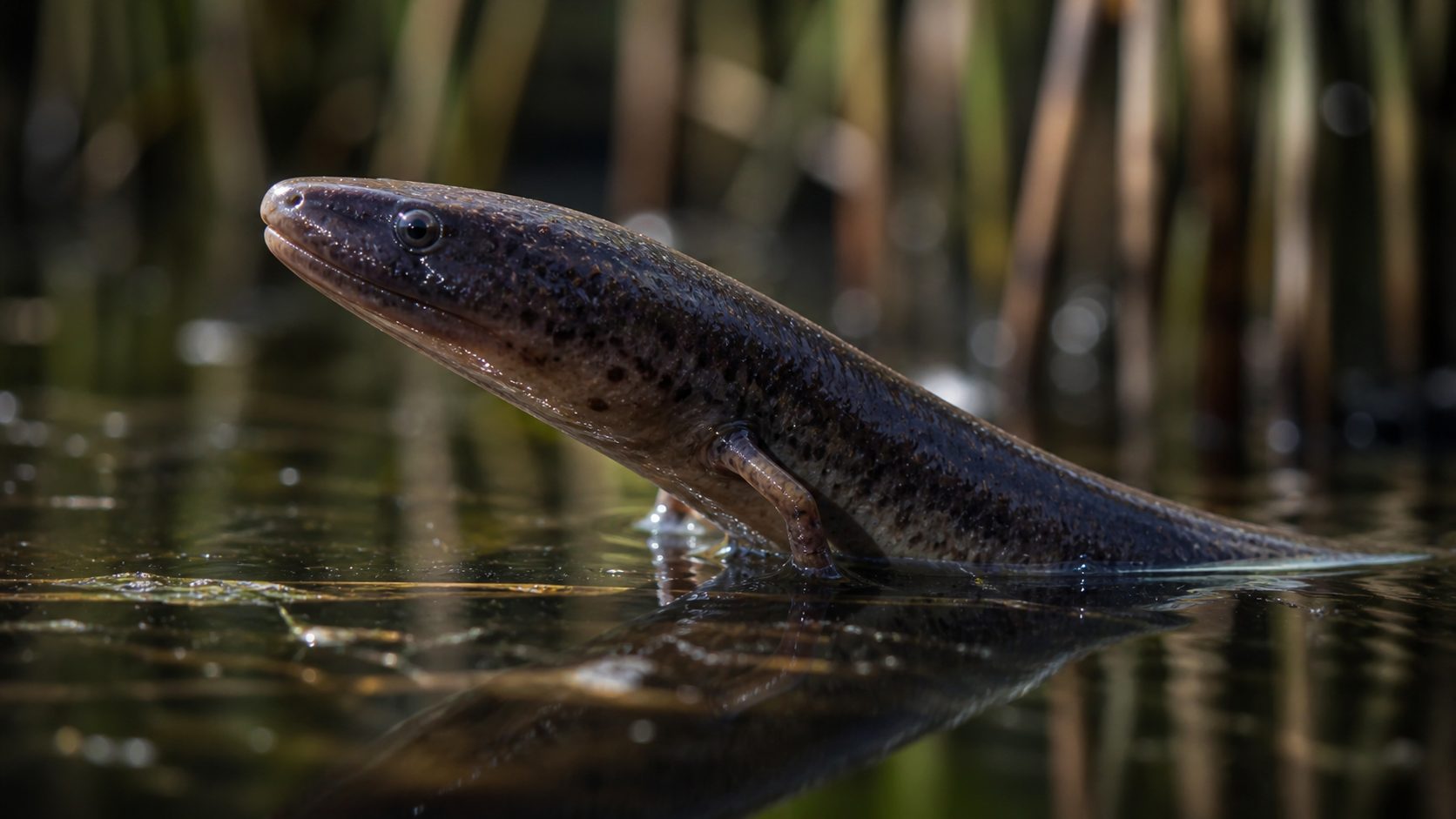
The two-toed amphiuma, scientifically known as Amphiuma means, is one of the most unusual and often misunderstood amphibians in North America. With its long, eel-like body and tiny, almost vestigial limbs, it appears more like a snake than a salamander. Yet beneath that strange appearance lies a fascinating creature perfectly adapted to life in slow-moving waters and swampy environments. This species is part of a small but remarkable group of aquatic salamanders known for their elongated bodies and reduced limbs. Native primarily to the southeastern United States, the two-toed amphiuma inhabits wetlands, ditches, bayous, and floodplains where water conditions can fluctuate dramatically. Its ability to survive in low-oxygen environments and even endure temporary drought conditions makes it an exceptional example of evolutionary adaptation. For general readers, it offers a window into the diversity of amphibian life that often goes unnoticed. Despite its somewhat eerie look, it plays a valuable role in freshwater ecosystems.
A: Start with body shape and habitat, then use color, markings, size, and behavior as confirmation.
A: Because Two-toed Amphiuma has its own mix of structure, habitat, feeding, and comparison clues.
A: Compare it with the nearest parent, child, or lookalike pages before treating one trait as final.
A: No. Age, season, lighting, region, and posture can all change the first impression.
A: Look for the setting that explains the animal: water, cover, vegetation, substrate, altitude, reef, burrow, branch, or open ground.
A: The exact diet depends on the animal, but mouth shape, movement, and habitat usually reveal the feeding strategy.
A: Many animals change size, color, pattern, diet, risk, or habitat between young and adult stages.
A: Use the photo to check eye position, body outline, limbs or fins, texture, posture, and surrounding habitat.
A: Yes. Every animal affects food webs, habitat structure, competition, nutrient movement, or predator-prey balance in some way.
A: It should connect the animal's visible traits to how it survives, moves, feeds, and fits the taxonomy.
A Body Built for Water and Survival
The most striking feature of the two-toed amphiuma is its elongated, cylindrical body, which can reach lengths of up to three feet. Its skin is smooth, slimy, and typically dark gray to black, helping it blend seamlessly into muddy aquatic habitats. Unlike most salamanders, it has extremely small limbs, each with only two tiny toes, which give the species its common name. These limbs are not used for walking in the traditional sense but instead assist slightly in maneuvering through vegetation and substrate.
Its body design is ideal for burrowing into mud and navigating dense aquatic environments. The streamlined shape allows it to move efficiently through water and sediment, avoiding predators and searching for prey. Despite its reduced limbs, the amphiuma is a strong swimmer, relying on undulating movements similar to those of an eel. This combination of traits makes it a highly specialized and effective aquatic predator.
Habitat and Geographic Range
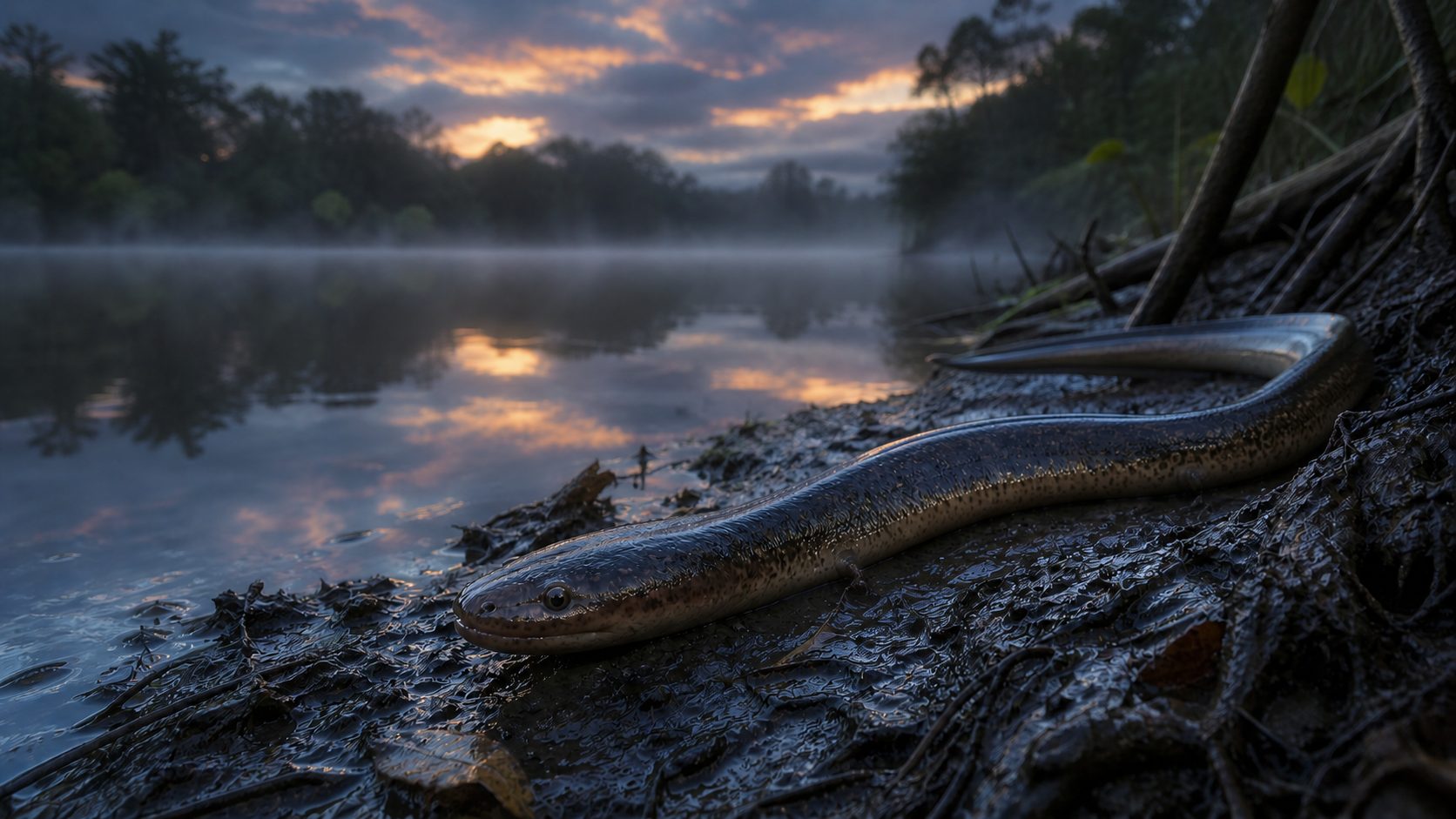
The two-toed amphiuma is found primarily in the southeastern United States, particularly in states like Louisiana, Florida, Georgia, and Mississippi. It thrives in freshwater habitats such as swamps, marshes, slow-moving streams, and drainage ditches. These environments are typically warm, murky, and rich in organic matter, providing ideal conditions for both shelter and feeding. One of the most fascinating aspects of its habitat preference is its tolerance for low oxygen levels. Many of the waters it inhabits are stagnant or poorly oxygenated, yet the amphiuma manages to survive where other species might struggle. During periods of drought, it can burrow into moist mud and enter a state of reduced activity, allowing it to endure until water returns. This resilience makes it well-suited to dynamic wetland ecosystems.
Feeding Behavior and Diet
The two-toed amphiuma is a carnivorous predator with a diverse and opportunistic diet. It primarily feeds on small aquatic animals, including insects, crustaceans, worms, and fish. Its feeding strategy relies heavily on stealth and sudden bursts of movement, allowing it to capture prey efficiently in murky waters where visibility is limited.
Equipped with sharp teeth, the amphiuma can grasp and hold onto slippery prey with ease. It often hunts at night, using its keen sense of touch and chemical detection to locate food. Because it lives in environments where resources can vary, its ability to consume a wide range of prey is a significant advantage. This adaptability helps maintain balance within its ecosystem by controlling populations of smaller aquatic organisms.
Sensory Adaptations in a Murky World
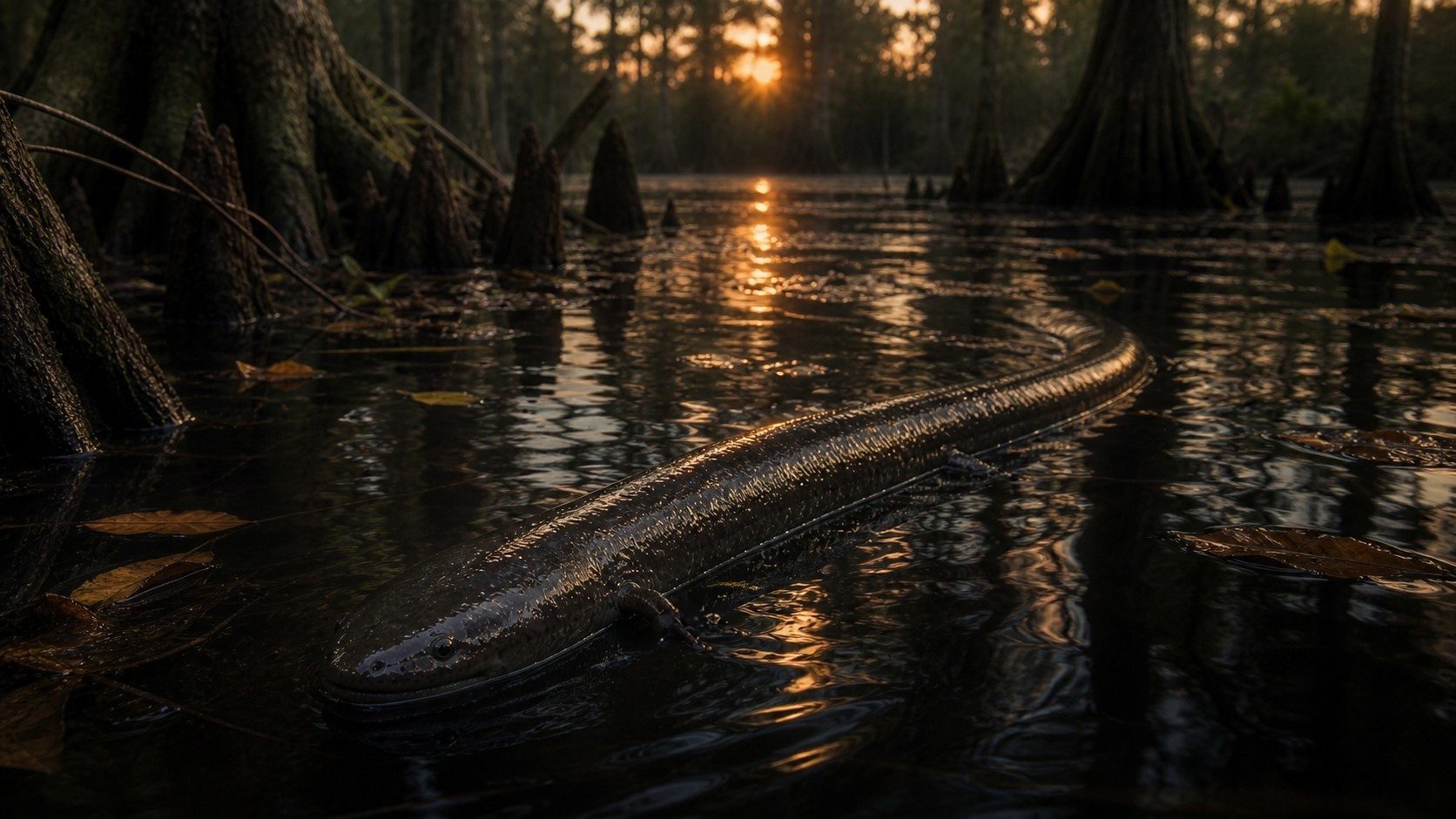
Living in dark, sediment-filled waters presents unique challenges, especially when it comes to sensing the environment. The two-toed amphiuma has relatively small eyes and does not rely heavily on vision. Instead, it depends on other sensory systems to navigate and hunt effectively. Its skin and specialized receptors allow it to detect vibrations and chemical signals in the water. This means it can sense movement nearby and identify potential prey or threats even in complete darkness. These adaptations are similar to those found in other aquatic animals that live in low-visibility conditions. By relying on non-visual cues, the amphiuma thrives in environments where many predators would struggle.
Reproduction and Life Cycle
Reproduction in the two-toed amphiuma is a relatively secretive process, reflecting its elusive nature. Mating typically occurs in aquatic environments, and females lay eggs in moist, hidden locations such as burrows or beneath debris. Unlike many amphibians, the eggs are often guarded by the female, which provides some level of protection from predators.
The eggs hatch into larvae that resemble miniature versions of the adults, though they may possess external gills during early development. As they mature, these features are reduced, and they transition fully into their adult form. The life cycle is closely tied to water availability, making stable wetland habitats crucial for successful reproduction. This reliance underscores the importance of preserving these ecosystems.
Behavior and Daily Activity
The two-toed amphiuma is primarily nocturnal, spending much of the day hidden beneath mud, vegetation, or submerged debris. At night, it becomes more active, emerging to hunt and explore its surroundings. This behavior helps it avoid predators and reduces competition with other species that are active during daylight hours. It is generally solitary and does not form social groups. When threatened, it may attempt to escape by burrowing or swimming away, but it can also exhibit defensive behavior, including biting if handled. Despite its somewhat intimidating appearance, it is not aggressive toward humans unless provoked. Observing its natural behavior in the wild can be challenging due to its secretive lifestyle.
Role in the Ecosystem
The two-toed amphiuma plays an important role in maintaining the balance of freshwater ecosystems. As a predator, it helps regulate populations of insects, small fish, and other invertebrates. This contributes to overall ecosystem health and stability, preventing any single species from becoming overly dominant.
Additionally, it serves as prey for larger animals, including birds and some mammals. This places it within a complex food web where it both influences and is influenced by other species. Its presence is often an indicator of a healthy wetland environment, as it requires specific conditions to thrive. Understanding its ecological role highlights the interconnectedness of aquatic life.
Subtle Conservation Considerations
While the two-toed amphiuma is not currently considered highly endangered, its habitat faces ongoing pressures. Wetland drainage, pollution, and land development can reduce the availability of suitable environments. Because the species depends on specific water conditions, changes in water quality or flow can have noticeable impacts. Conservation efforts that protect wetlands and maintain natural water systems indirectly benefit the amphiuma and many other species. Even small actions, such as preserving local wetlands or reducing pollution, can contribute to healthier ecosystems. While it may not receive as much attention as more charismatic wildlife, it remains an important part of biodiversity.
Myths, Misunderstandings, and Fascination
The unusual appearance of the two-toed amphiuma has led to various myths and misconceptions. Some people mistake it for a snake or believe it to be dangerous, but it is simply a unique type of salamander. Its small limbs and elongated body can seem strange at first glance, yet they are perfectly suited to its environment.
For those who take the time to learn about it, the amphiuma becomes a fascinating example of evolutionary adaptation. Its ability to thrive in challenging conditions, combined with its distinctive look, makes it a memorable species. As awareness grows, so does appreciation for the diversity of life found in freshwater ecosystems.
Animal Product Reviews
Dive into Animal Streets’ Animal Product Reviews — your guide to the best gear, gifts, books, and gadgets inspired by the animal kingdom. From land-roaming lions to ocean-gliding whales, from household pets to prehistoric giants, we explore top-rated products for enthusiasts, educators, and animal lovers alike. Whether you’re shopping for toys, decor, field gear, or fun collectibles, we’ve sniffed out the best so you can discover it all in one wild place!