
The Hidden Eel-Like Salamanders of America’s Wetlands
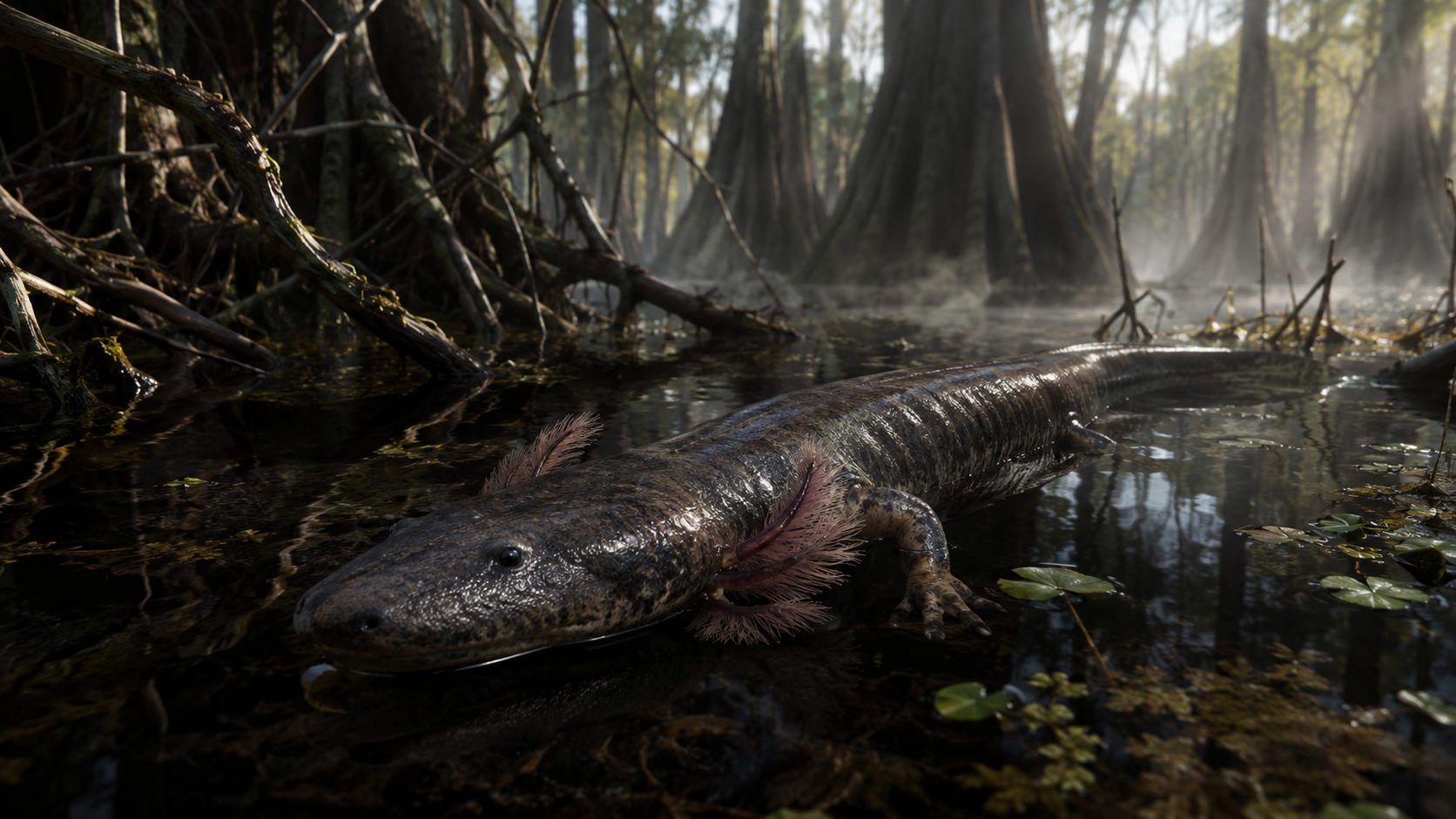
Deep beneath quiet swamp water, among tangled roots, floating plants, and soft mud, lives one of North America’s strangest amphibian families. Sirens, members of the family Sirenidae, look like creatures from an ancient world. Their long eel-like bodies, tiny front limbs, and feathery external gills make them unlike the frogs, toads, and salamanders most people recognize. These mysterious animals spend nearly their entire lives underwater, moving silently through marshes, ponds, ditches, and slow streams. They are secretive, resilient, and beautifully adapted to wetland life, reminding us that some of the most fascinating wildlife is hidden just beneath the surface.
A: Sirens are amphibians and belong to the salamander group.
A: They retain larval traits throughout life and use the gills to breathe underwater.
A: No, they are fully aquatic and rarely leave the water.
A: No, sirens are harmless and usually avoid contact with people.
A: They feed on insects, worms, crustaceans, snails, and small aquatic animals.
A: Most species live in wetlands across the southeastern United States.
A: Their elongated bodies evolved for moving efficiently through aquatic vegetation.
A: Yes, they burrow into mud and enter dormancy until water returns.
A: Some species can produce clicking or yelping noises when disturbed.
A: They help maintain ecological balance by controlling aquatic prey populations.

Lesser Siren
Hidden beneath the still waters of marshes and swamps across the southeastern United States lives one of North America’s strangest amphibians. The Lesser Siren, scientifically known as Siren intermedia, is an eel-like aquatic salamander that spends nearly its entire life underwater among thick vegetation, muddy bottoms, and dark freshwater habitats. With its feathery external gills, elongated body, and mysterious nocturnal behavior, the Lesser Siren looks more like a prehistoric creature
What Makes Sirens So Unique
Sirens are fully aquatic salamanders with bodies built for life in shallow freshwater habitats. They have long, flexible forms that help them weave through vegetation and mud, and unlike most salamanders, they lack hind legs entirely. Their small front limbs are useful for bracing, crawling, and maneuvering along the bottom.
Their most striking feature is their external gills, which remain visible throughout life. These feathery gills allow sirens to absorb oxygen from the water, while their lungs let them gulp air at the surface when needed. This combination makes them remarkably adaptable in warm, muddy, oxygen-poor wetlands.
A Family Built for Wetlands
Sirens are closely tied to marshes, swamps, ponds, floodplains, and slow-moving streams. These habitats provide the cover, food, moisture, and soft sediments they need to survive. Dense aquatic plants help hide them from predators, while muddy bottoms give them places to burrow during dry periods. Because sirens depend so heavily on wetlands, they are also connected to the health of these ecosystems. Wetlands filter water, reduce flooding, store carbon, and shelter countless species. When sirens thrive, it often means the surrounding habitat still has the richness and complexity needed to support a diverse aquatic community.
Greater Sirens
Greater sirens are among the largest and most impressive members of the family. These long-bodied salamanders can grow to striking sizes, sometimes reaching more than two feet in length. Their dark bodies blend perfectly into swamp water, where they glide through submerged plants like living shadows.
Greater sirens feed on worms, insects, snails, crustaceans, small fish, and other aquatic animals. They are important wetland predators that help control smaller organisms while also serving as prey for larger animals such as wading birds, snakes, alligators, and fish.
Lesser Sirens
Lesser sirens are smaller relatives of the greater sirens but share many of the same remarkable traits. They live in marshes, ponds, ditches, and slow streams where vegetation is thick and the water is shallow. Their smaller size allows them to slip easily through grasses, roots, and underwater debris. These sirens are mostly active at night, when they search for insects, larvae, worms, and small aquatic invertebrates. Though they are easy to overlook, lesser sirens play an important role in freshwater food webs by moving energy between tiny prey species and larger predators.
Dwarf Sirens and Rare Species
Dwarf sirens are some of the most secretive members of the Sirenidae family. Their small size, hidden habits, and specialized habitats make them difficult to study in the wild. Many live in dense wetlands where dark water, mud, and vegetation create the perfect cover.
Because some dwarf sirens have limited ranges, they can be especially vulnerable to habitat loss and water-quality changes. These rare species remind us how much remains unknown about wetland life and how important it is to protect even small, overlooked habitats.
Survival in Mud, Drought, and Darkness
Sirens are masters of survival. During dry periods, they can burrow into mud and enter a dormant state called estivation. Wrapped in a protective layer of mucus, they slow their bodies down and wait for rain to return. This ability helps sirens survive in wetlands that may shrink, dry, flood, and change throughout the year. Their talent for enduring harsh conditions has made them one of the most resilient amphibian groups in their environment.
How Sirens Hunt and Move
Sirens are usually nocturnal hunters, using darkness as cover while they search for food. In murky water, sight is not always reliable, so they depend on touch, smell, and vibration to detect prey. Their movements are slow, smooth, and deliberate, helping them remain hidden while exploring the wetland floor.
Their eel-like swimming style allows them to glide through narrow spaces where many animals cannot follow. This graceful movement, combined with their camouflage, makes them highly effective hunters in dense aquatic habitats.
The Evolutionary Wonder of Sirenidae
Sirens are fascinating because they retain juvenile traits into adulthood, a condition called neoteny. Most salamanders lose their external gills as they mature, but sirens keep theirs for life. This gives them a permanently aquatic form that is perfectly suited to wetland survival. Their body plan tells a remarkable evolutionary story. Over time, sirens became specialized for water, reducing their limbs, keeping their gills, and developing the ability to survive in habitats that challenge many other amphibians.
Why Sirens Matter
Sirens may not be famous animals, but they are valuable members of freshwater ecosystems. As predators, they help manage populations of insects, worms, snails, and small aquatic creatures. As prey, they support larger wetland animals.
They also help draw attention to the importance of wetlands themselves. Protecting sirens means protecting marshes, swamps, ponds, and slow streams filled with life. These habitats are essential not only for amphibians but also for birds, reptiles, fish, mammals, and people.
Threats Facing Sirens
The greatest threats to sirens come from habitat loss, wetland drainage, pollution, and changes in water quality. When marshes are filled, ponds are contaminated, or streams are altered, sirens lose the places they need to feed, breed, hide, and survive. Climate change may also affect sirens by altering rainfall patterns and increasing drought pressure in some regions. Because these animals rely so strongly on freshwater habitats, protecting clean and connected wetlands is one of the most important steps for their future.
The Mystery Beneath the Surface
Sirens are a reminder that nature still holds strange and beautiful secrets. They are not loud, colorful, or easy to find, but their hidden lives are filled with evolutionary wonder. Every feathery gill, muddy burrow, and silent nighttime hunt tells a story of survival in one of Earth’s richest habitats.
Exploring the world of sirens opens the door to a deeper appreciation of amphibians, wetlands, and the overlooked creatures that keep ecosystems alive. The more we learn about these mysterious salamanders, the more we discover that the quietest corners of nature are often the most extraordinary.
Animal Product Reviews
Dive into Animal Streets’ Animal Product Reviews — your guide to the best gear, gifts, books, and gadgets inspired by the animal kingdom. From land-roaming lions to ocean-gliding whales, from household pets to prehistoric giants, we explore top-rated products for enthusiasts, educators, and animal lovers alike. Whether you’re shopping for toys, decor, field gear, or fun collectibles, we’ve sniffed out the best so you can discover it all in one wild place!