
A Miniature Marvel: Physical Appearance
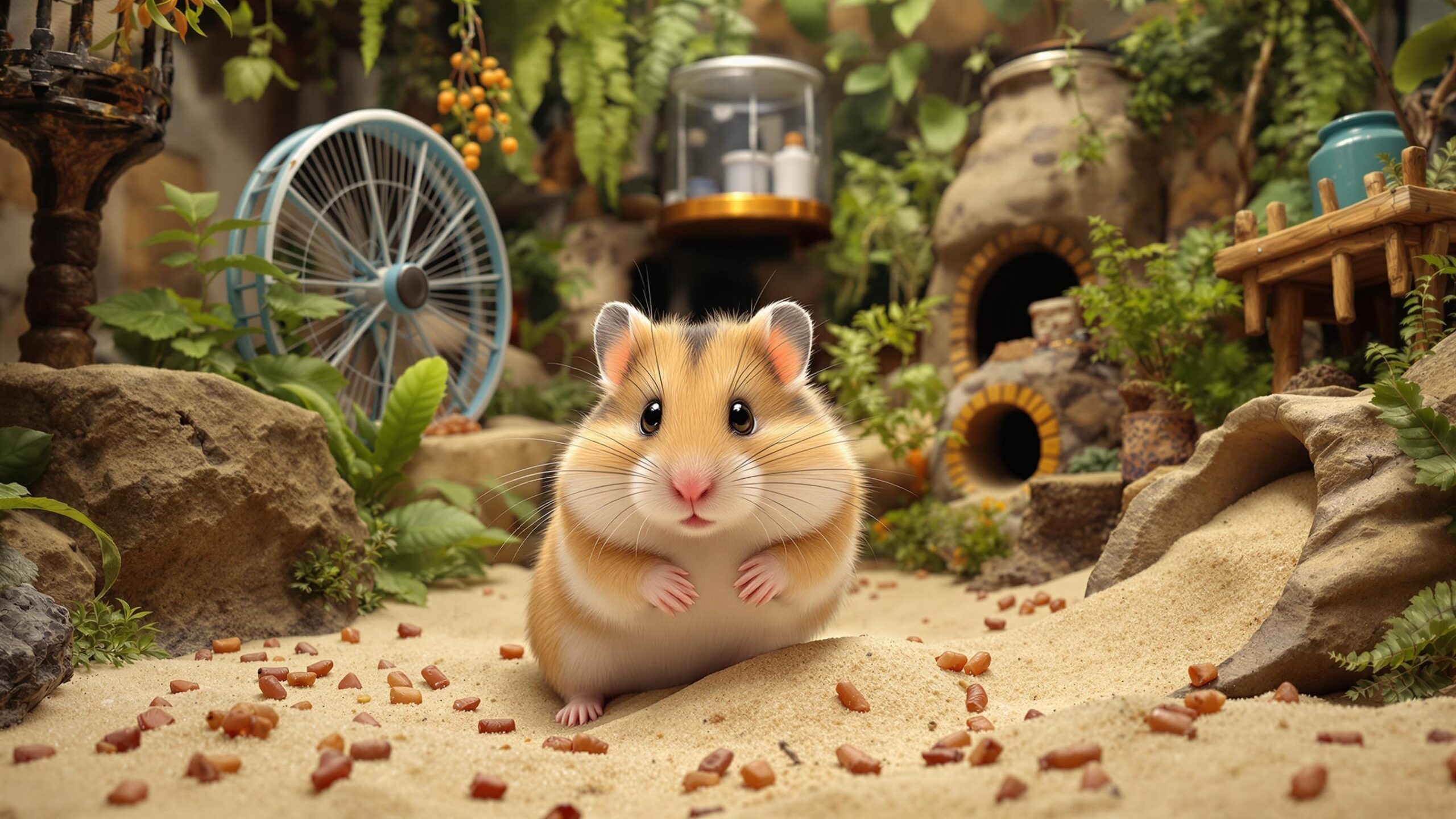
The Roborovski Dwarf Hamster is the smallest species of hamster in the world. Adults typically measure just 1.75 to 2 inches in length and weigh around 20 to 25 grams. Despite their tiny size, they are incredibly sturdy, with compact, rounded bodies that help retain warmth during cold desert nights.
Their fur is soft and thick, typically sandy or buff-colored to match the surrounding terrain. The underbelly is pale or white, while their most distinctive feature is the pair of white eyebrow-like markings above their eyes. Unlike some other dwarf hamsters, Roborovskis do not have a dorsal stripe. Their ears are small and rounded, and their tails are so short they’re barely visible beneath their fur.
These hamsters are built for speed. With powerful hind legs and a low center of gravity, they can dash across sand and stone with impressive agility, quickly disappearing into the crevices of their underground homes.
Life Beneath the Sands: Natural Habitat and Survival
Roborovski Dwarf Hamsters are native to desert and semi-desert ecosystems, especially the Gobi Desert and dry grasslands of Central Asia. These regions are defined by sparse vegetation, dry soil, and extreme temperature fluctuations—far from ideal for most creatures. Yet the Roborovski not only survives here, it flourishes.
To avoid the midday heat and night-time predators, they spend much of their lives underground in complex burrow systems. These burrows can extend more than three feet in depth and contain multiple chambers for nesting, food storage, and even waste. They often plug the entrances with sand to insulate their shelters and keep predators at bay.
In the wild, they feed primarily on small seeds, dry grasses, grains, and occasionally insects. Their cheek pouches allow them to gather food quickly and hoard it deep underground for future use—a critical strategy for surviving in a land where food is never guaranteed.
The Energizer Hamster: Behavior and Temperament
If you’ve ever tried to watch a Roborovski Dwarf Hamster for more than a few seconds, you’ve probably realized just how fast and elusive they are. These hamsters are famously energetic, zipping from one corner of their enclosure to the other with barely a moment’s pause. In the wild, this rapid movement is a critical survival mechanism, allowing them to escape from predators like owls, foxes, and snakes.
Unlike Syrian or even Campbell’s Dwarf Hamsters, Roborovskis are not typically fond of being handled. Their small size and incredible speed make them challenging to hold, and they often become stressed with too much human contact. However, that doesn’t mean they lack personality. When observed in a well-designed habitat, they display a remarkable range of behaviors—digging, climbing, wheel-running, and exploring every nook and cranny of their space.
While they are less inclined toward bonding with humans, Roborovskis are social with their own kind. In the wild and in captivity, they can live in same-sex pairs or small, well-matched groups, especially if introduced at a young age. However, careful monitoring is essential, as even social Roborovskis can become territorial if conditions aren’t ideal.
A Quick and Curious Diet
In their native habitat, Roborovski Hamsters are opportunistic feeders. Their diet consists largely of desert grasses, dry seeds, and the occasional insect for protein. Their ability to extract moisture from dry foods means they can survive in environments where water is scarce, although they still drink when liquid is available.
In captivity, they thrive on high-quality hamster food blends that include millet, oats, wheat, flax, and a small amount of dried vegetables. Fresh produce like cucumber or carrot can be offered sparingly, and insects like mealworms can serve as a protein boost. Because they’re prone to diabetes and obesity, sugary fruits and treats should be avoided.
These hamsters are meticulous hoarders, stuffing their cheek pouches full of food to bring back to storage areas within their habitat. This behavior is completely natural and should be respected, as it reflects their deep-rooted survival instincts.
Tiny Tunnels: Enclosure and Habitat Needs
Keeping a Roborovski Dwarf Hamster happy and healthy requires more than a small cage and a food bowl. These are active, intelligent animals that need space, stimulation, and a carefully designed habitat that encourages natural behaviors.
A large horizontal enclosure—such as a 40-gallon tank or bin cage—is ideal. It should include several inches of soft bedding for burrowing, a solid-surface exercise wheel (6 inches or larger), tunnels, hideouts, and climbing structures. Because Roborovskis are expert escape artists, all housing should be securely enclosed and well-ventilated. These hamsters are known to be extremely clean. They often choose specific corners of their cage for toileting and keep nesting areas separate from food storage. Providing sand baths (not water baths) allows them to clean their fur and regulate oil levels, another trait borrowed from their desert ancestry. Due to their small size and high activity level, Roborovskis also benefit from daily enrichment. Swapping out toys, rearranging tunnels, and adding new textures or foraging opportunities can keep them mentally and physically engaged.
Breeding and the Cycle of Life
Roborovski Hamsters reach sexual maturity at around five weeks of age, though responsible breeders wait until at least three to four months to allow the animals to fully develop. Breeding typically occurs in the warmer months in the wild, though in captivity, reproduction can happen year-round. After a gestation period of approximately 20 to 22 days, females give birth to litters of four to eight pups. The babies are born hairless, blind, and dependent on maternal care for their first few weeks. They grow quickly and are usually weaned by three weeks of age. Due to their small size and delicate constitution, breeding Roborovskis should only be attempted by experienced and knowledgeable caretakers. Inexperienced pairings can lead to aggression, injury, or stress-related health problems. The average lifespan of a Roborovski Dwarf Hamster is 2.5 to 3 years, though some individuals live longer with proper care. Their fast-paced, high-energy life means each day is packed with activity, exploration, and instinctual rituals.
Personality in Motion: Robo Hamsters as Pets
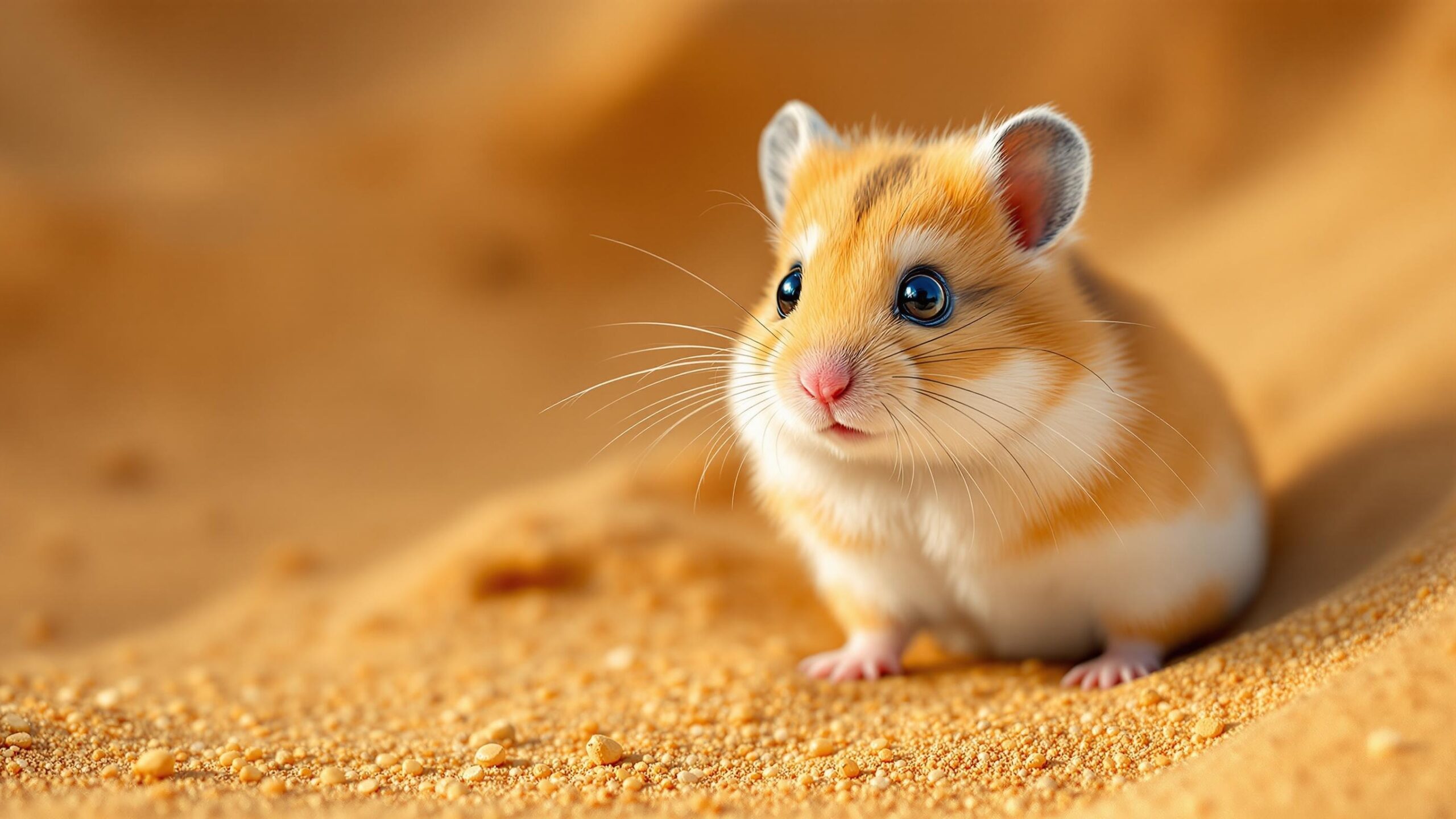
For many pet owners, the Roborovski Dwarf Hamster is love at first sight. Their expressive faces, lightning-fast movements, and comical curiosity make them incredibly entertaining to watch. However, they are not ideal for everyone. Due to their speed and size, they are not recommended for young children or those looking for a cuddly pet. Instead, Roborovskis are best appreciated as observational animals. With patience and respect, they can become accustomed to their human caregivers, recognizing their voice or scent and responding with alertness and interest. Some individuals may even take treats from fingers, though handling should always be gentle and done close to the ground to prevent injury if they jump or squirm. Providing them with a consistent daily routine, clean environment, and opportunities to exhibit natural behaviors results in a content and thriving hamster. Their minimal odor and low maintenance needs make them well-suited for apartments or homes with limited space, provided their habitat is stimulating and secure.
Medical and Health Concerns
Roborovski Hamsters are generally hardy animals, but they can be vulnerable to a few common health issues. These include overgrown teeth, fur mites, respiratory infections, and digestive problems. Because they are so small, symptoms can be subtle and escalate quickly, so regular observation is key. One unique challenge is identifying signs of stress or illness. Since Roborovskis naturally spend a lot of time in hiding or running rapidly, it can be difficult to spot behavioral changes. Loss of appetite, weight loss, lethargy, or unusual discharge from the eyes or nose should be taken seriously and warrant a visit to an exotic pet veterinarian. Diabetes is a concern in dwarf hamsters in general, though Roborovskis are less prone to it than Campbell’s Dwarf Hamsters. Still, a proper diet low in sugar and regular monitoring can go a long way toward preventing this condition.
Conservation Status and Environmental Impact
The Roborovski Dwarf Hamster is currently listed as a species of Least Concern on the IUCN Red List. Its wide distribution and adaptability to arid environments have helped it maintain stable populations in the wild. While habitat degradation and climate shifts pose future risks in some areas, the species is not presently endangered. That said, responsible pet ownership and ethical breeding practices are important. Overbreeding in pet mills, misidentification, and hybridization with other dwarf species have raised concerns within the hamster-keeping community. Ensuring that pet Roborovskis are sourced from reputable breeders who maintain genetic health and species purity is a vital step in supporting their long-term wellbeing. Captive populations also play a small role in education and research, helping scientists understand social dynamics, navigation, and desert survival strategies. Their gentle presence in homes and classrooms reminds us of the delicate balance between wildlife appreciation and ethical stewardship.
The Spirit of the Steppe in Your Home
The Roborovski Dwarf Hamster may be tiny, but its story is vast. From the windswept sands of Mongolia to carefully constructed habitats in homes around the world, this agile and endearing rodent continues to surprise, delight, and inspire. Its evolutionary adaptations, charming quirks, and tireless energy make it more than just a pet—it’s a window into the wonders of the natural world on a miniature scale. Whether you’re watching one sprint through a maze of tunnels or marveling at its nightly routine on a hamster wheel, the Roborovski brings joy and fascination with every tiny pawstep. It reminds us that even in the smallest of creatures, there exists a boundless zest for life.