
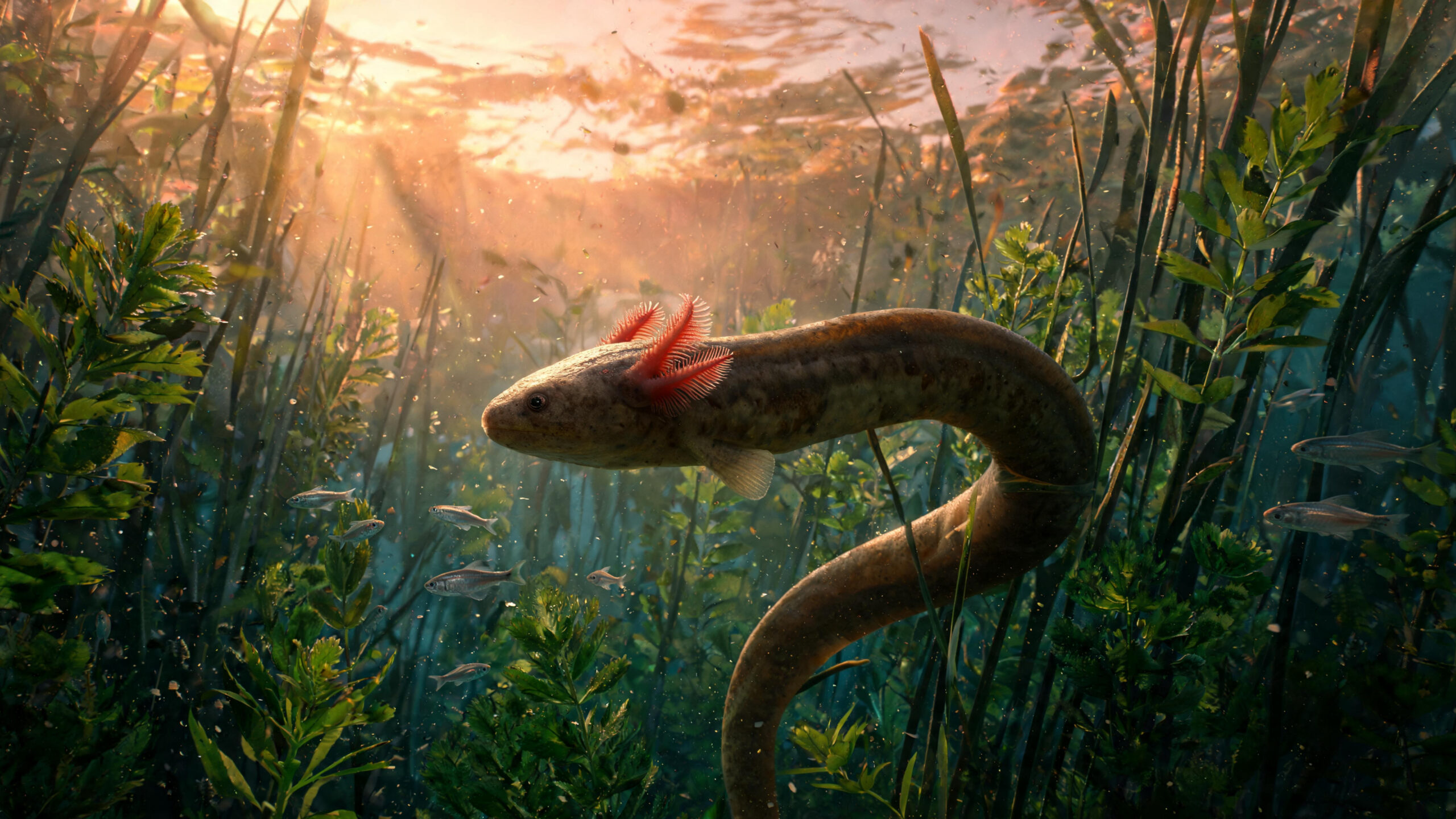
The Greater Siren, scientifically known as Siren lacertina, is one of the strangest and most fascinating amphibians in North America. Long, dark, and almost prehistoric in appearance, this aquatic creature often surprises people who encounter it for the first time. With an eel-like body, feathery external gills, and tiny front limbs, the Greater Siren looks like something caught between a salamander and a forgotten relic from an ancient swamp. Despite its unusual appearance, it is a highly specialized amphibian perfectly adapted to life in warm wetlands across the southeastern United States. Many people never realize these elusive animals exist because they spend most of their lives hidden beneath murky water, tangled vegetation, and soft mud. Unlike frogs and toads that call loudly from ponds and marshes, Greater Sirens move quietly through the dark shallows at night. They are mysterious even to scientists, and many aspects of their behavior remain difficult to observe in the wild. This secretive lifestyle has helped the species survive for millions of years in wetlands that constantly change with flooding, drought, storms, and seasonal shifts.
A: No, it is an amphibian and a type of salamander.
A: Rarely. It spends nearly its entire life underwater.
A: It inhabits freshwater wetlands across the southeastern United States.
A: No, it is shy and generally harmless.
A: The gills help it absorb oxygen directly from the water.
A: It feeds on insects, worms, fish, snails, and small aquatic animals.
A: Yes, they burrow into mud and enter dormancy until water returns.
A: The name comes from ancient mythology and its unusual appearance.
A: Some individuals grow longer than three feet.
A: They are secretive and difficult to spot, but still widespread in parts of their range.
An Amphibian That Looks Like a Creature From Another Era
The first thing most people notice about the Greater Siren is its remarkable body shape. Adults can grow more than three feet long, making them among the largest salamander species in North America. Their bodies are long and cylindrical, resembling eels more than traditional salamanders. They possess only tiny front legs while lacking hind limbs entirely, giving them a smooth and serpentine way of moving through water.
Combined with their dark gray, olive, or black coloration, they often appear ghostlike as they glide through swamps and marshes. Another striking feature is the presence of large external gills that extend from the sides of the head like delicate red or feathery branches. These gills allow the Greater Siren to breathe underwater, although the animal also possesses lungs and can surface for air when necessary. This dual breathing ability gives the species incredible flexibility in environments where oxygen levels fluctuate.
Their small eyes suggest that vision is less important than touch and vibration detection in the muddy wetlands they inhabit. Altogether, the Greater Siren appears almost prehistoric, reminding many observers of ancient amphibians that once thrived during Earth’s distant past.
Wetland Kingdoms of the Southeastern United States
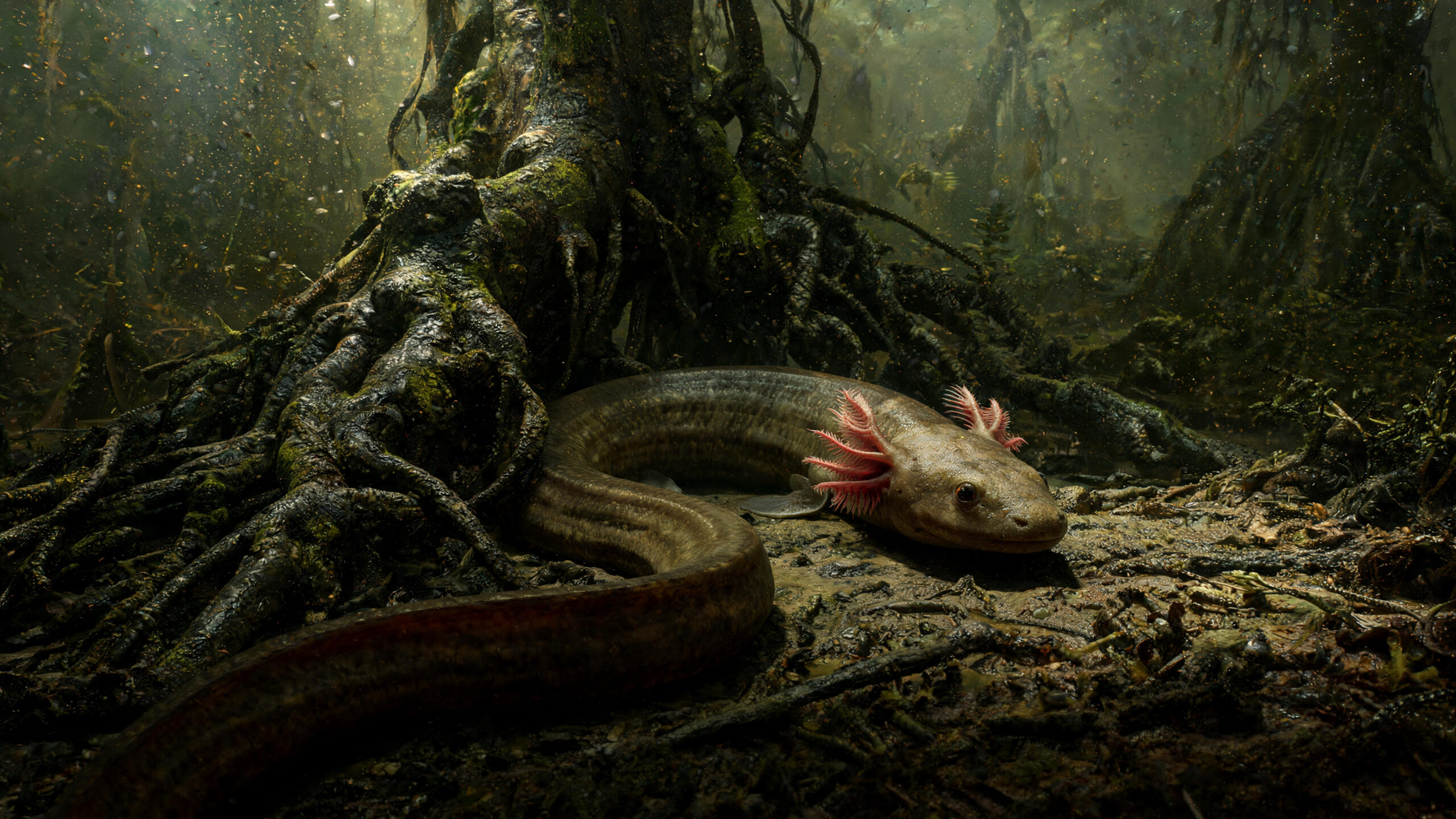
Greater Sirens are native to the southeastern United States, where they inhabit freshwater wetlands, marshes, ditches, ponds, swamps, and slow-moving waterways. Their range stretches from parts of Virginia down through Florida and westward toward Texas. They thrive particularly well in shallow waters filled with aquatic vegetation and muddy bottoms where they can hide from predators and hunt prey.
Warm climates and abundant wetlands create ideal conditions for these secretive amphibians to flourish. These environments are constantly changing throughout the year, especially in regions prone to drought or seasonal flooding. During wet periods, Greater Sirens may move between connected waterways and expand into temporary ponds. When drought arrives, they display one of the most remarkable survival strategies among amphibians. They burrow into mud and enter a dormant state called estivation, surrounding themselves with a protective mucus cocoon that helps prevent dehydration. Some individuals can survive months in dried wetlands until water returns, demonstrating extraordinary resilience in unpredictable habitats.
Night Hunters Beneath the Surface
The Greater Siren is primarily nocturnal, spending much of the daytime hidden beneath vegetation, logs, or muddy sediment. At night, it becomes an active predator that patrols shallow waters in search of food. Its diet includes insects, worms, crustaceans, snails, tadpoles, small fish, and even other amphibians.
Rather than relying heavily on sight, the Greater Siren uses chemical cues, water vibrations, and touch-sensitive systems to locate prey in dark or cloudy water. Its feeding style is opportunistic and efficient. The animal quickly lunges at prey with a sudden snap of its jaws, swallowing smaller creatures whole.
Because wetland environments can fluctuate dramatically, the Greater Siren benefits from being flexible about what it eats. In some areas it behaves as a major predator within the ecosystem, helping regulate populations of aquatic invertebrates and small animals. Scientists believe its role in wetland food webs is more important than many people realize because these salamanders occupy a middle ground between top predators and prey species.
The Remarkable Biology of an Aquatic Specialist
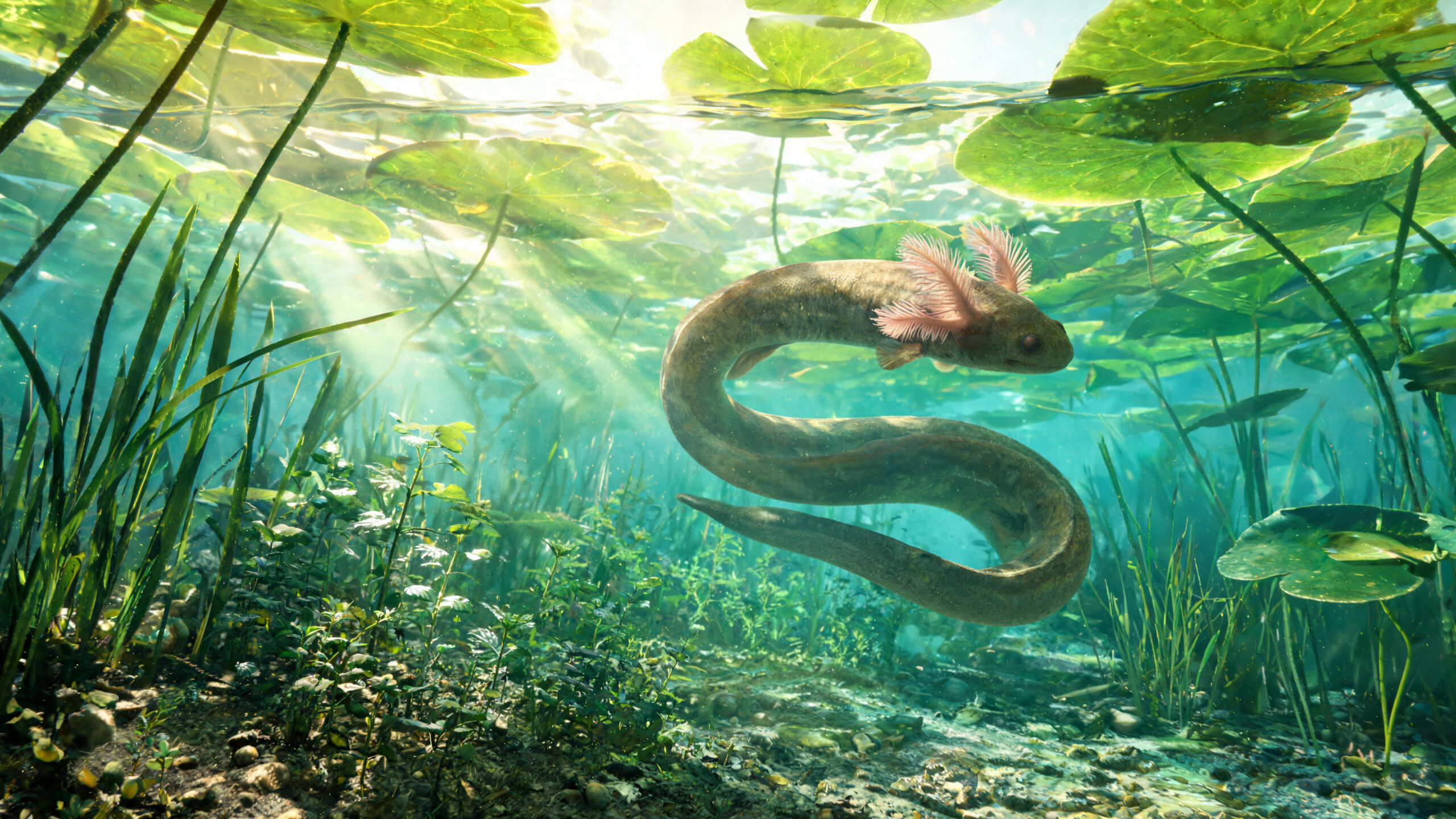
Unlike many amphibians that transition from water to land during adulthood, the Greater Siren remains aquatic throughout its entire life. This trait is known as neoteny, meaning the animal retains juvenile characteristics even after reaching reproductive maturity. External gills, aquatic behavior, and certain body structures that would normally disappear during metamorphosis remain permanent in the adult Greater Siren. This adaptation allows the species to remain fully specialized for life in water-rich environments.
Its body is built for stealth and efficiency rather than speed. The long muscular tail provides most of the propulsion during swimming, while the tiny front limbs help maneuver through dense aquatic plants. The skin remains moist and plays an important role in respiration alongside the lungs and gills. Researchers have also discovered that Greater Sirens can produce vocalizations, including clicking or yelping sounds, which is relatively unusual among salamanders. These sounds may help with communication, territorial interactions, or defensive behavior, though scientists are still studying their exact purpose.
Ancient Lineages and Evolutionary Mysteries
The evolutionary history of the Greater Siren reaches far back into the ancient past of amphibians. Sirens belong to a unique family called Sirenidae, which differs significantly from most salamander groups alive today. Fossil evidence suggests that their ancestors have existed for millions of years, surviving enormous climatic and environmental changes.
Their primitive appearance and specialized anatomy provide scientists with valuable insight into amphibian evolution and adaptation. One of the biggest mysteries surrounding sirens is how they evolved such extreme aquatic specialization. Their loss of hind limbs and permanent retention of larval features make them very different from many amphibians familiar to the public.
Researchers continue studying their genetics, physiology, and evolutionary relationships to better understand how these creatures adapted so successfully to wetland ecosystems. Because sirens are difficult to observe in the wild, every new discovery adds important information about an animal group that remains surprisingly mysterious.
Life Cycles Hidden in Muddy Water
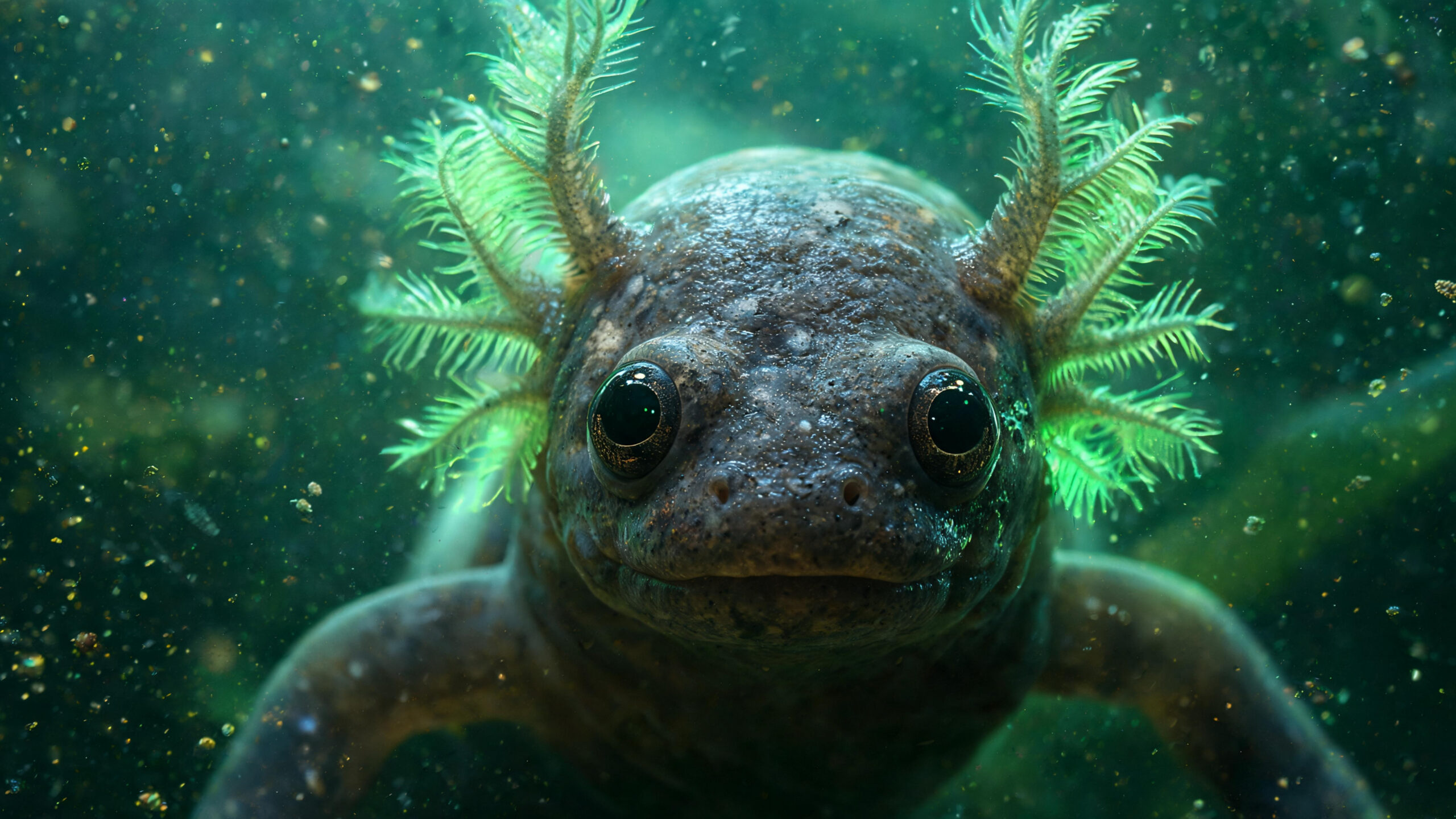
The reproductive habits of the Greater Siren are still not fully understood because the animals are so secretive. Scientists believe breeding typically occurs during cooler seasons when wetlands contain abundant water and food. Females lay eggs in hidden aquatic locations, often attaching them to vegetation or debris beneath the surface. Males may guard nesting areas in some cases, though researchers continue investigating many details about courtship and parental behavior. Young Greater Sirens hatch already adapted for aquatic life, possessing gills and elongated bodies from the beginning.
Because they never undergo full metamorphosis into a terrestrial form, their growth is mainly a gradual increase in size and maturity rather than a dramatic transformation like that seen in frogs. Juveniles face threats from fish, birds, turtles, and larger predators, so staying concealed among vegetation is essential for survival. Over time, successful individuals grow into large and powerful wetland predators capable of surviving in challenging environments for many years.
Swamp Legends and Public Misunderstandings
Throughout history, unusual aquatic animals have inspired folklore and exaggerated stories, and the Greater Siren is no exception. People unfamiliar with the species sometimes mistake it for a snake, eel, or even a mythical swamp monster when glimpsing its long body moving through dark water.
In some rural areas, local legends have described mysterious creatures lurking beneath southern wetlands, and sirens may have contributed to some of those stories. Their eerie appearance and hidden lifestyle naturally fuel curiosity and speculation. Despite these myths, Greater Sirens are harmless to humans and generally avoid confrontation. They are not aggressive animals and prefer retreating into vegetation or mud when disturbed. Occasionally, people accidentally encounter them while fishing, exploring wetlands, or draining ponds.
Because the species is relatively unknown outside scientific circles, many individuals are surprised to learn such unusual amphibians live in North America. Increased public awareness can help reduce fear and encourage appreciation for the remarkable biodiversity hidden within freshwater ecosystems.
Masters of Survival During Drought
One of the most extraordinary abilities of the Greater Siren is its capacity to survive drought conditions that would kill many aquatic species. When wetlands dry out, these salamanders burrow deep into mud and enter estivation, a dormant state similar to hibernation but triggered by heat and dryness rather than cold. Their metabolism slows dramatically, conserving energy until favorable conditions return. A thick mucus coating helps reduce water loss and protects the body while buried underground.
This adaptation allows Greater Sirens to persist in habitats that experience dramatic seasonal fluctuations. Temporary wetlands can disappear for months at a time, yet sirens often reappear once rain restores the water. Such resilience demonstrates how strongly the species has adapted to the unpredictable nature of southeastern wetland ecosystems. Scientists view estivation as one of the key evolutionary advantages that helped sirens survive across geological timescales marked by changing climates and shifting environments.
Predators, Threats, and Wetland Challenges
Although adult Greater Sirens are sizable amphibians, they still face numerous threats in the wild. Large fish, wading birds, snakes, turtles, alligators, and mammals may prey on juveniles or smaller adults. Their dark coloration and nocturnal habits help reduce visibility, while muddy hiding spots provide protection during vulnerable periods.
The species depends heavily on camouflage and concealment rather than direct defense against predators. Human-driven habitat loss presents a more significant long-term concern than natural predators. Wetland drainage, pollution, urban expansion, and water contamination can reduce the quality of the habitats these amphibians require.
Roads and altered waterways may also fragment populations, making movement between wetlands more difficult. Still, the Greater Siren remains widespread across parts of its range and is considered relatively stable compared to many amphibians facing severe global declines. Scientists continue monitoring wetland health because protecting freshwater ecosystems benefits countless species beyond the siren itself.
Why the Greater Siren Fascinates Scientists
Researchers are increasingly interested in the Greater Siren because it represents such an unusual branch of amphibian evolution. Its ability to breathe through lungs and gills, survive prolonged drought, remain permanently aquatic, and regenerate tissues makes it an intriguing subject for biological studies. Scientists also study sirens to better understand wetland ecology, evolutionary adaptation, and environmental resilience. Because amphibians are often sensitive to environmental changes, sirens may provide clues about the health of freshwater ecosystems. Their secretive nature makes scientific research especially challenging. Many individuals spend much of their lives hidden beneath dense vegetation or buried in mud, making field observations difficult. Advances in environmental DNA sampling, underwater monitoring, and wetland surveys are helping researchers gather more information than ever before. Even today, however, the Greater Siren retains an air of mystery that continues captivating biologists and wildlife enthusiasts alike.
A Living Reminder of Hidden Biodiversity
The Greater Siren demonstrates that some of the world’s most extraordinary creatures remain largely unseen by the general public. Hidden beneath the still waters of southeastern wetlands lives an amphibian unlike almost anything else in North America. Its strange anatomy, ancient evolutionary lineage, and remarkable survival abilities reveal how adaptable and diverse life can become when shaped by millions of years of environmental pressure. Even in familiar landscapes such as swamps and marshes, nature still contains species that feel almost mythical.
For general readers, the Greater Siren offers a reminder that wetlands are far more complex and important than they may first appear. These ecosystems support countless interconnected organisms, from microscopic invertebrates to large reptiles and elusive amphibians like Siren lacertina. Protecting such habitats does not only preserve a single species but also maintains entire ecological networks that have evolved over vast spans of time. The Greater Siren survives as both a biological marvel and a symbol of the hidden wilderness that still exists within quiet southern waters.
Animal Product Reviews
Dive into Animal Streets’ Animal Product Reviews — your guide to the best gear, gifts, books, and gadgets inspired by the animal kingdom. From land-roaming lions to ocean-gliding whales, from household pets to prehistoric giants, we explore top-rated products for enthusiasts, educators, and animal lovers alike. Whether you’re shopping for toys, decor, field gear, or fun collectibles, we’ve sniffed out the best so you can discover it all in one wild place!