Solenodons are rare Caribbean insectivorous mammals known for long flexible snouts, grooved venom-delivering teeth, shuffling nocturnal movement, and deep evolutionary history. A complete profile explains identification, range, habitat, feeding, movement, behavior, conservation pressure, and comparison with shrews, tenrecs, and other small mammals.
A: To identify solenodons, look for Caribbean insectivores with long flexible snouts, coarse fur, small eyes, scaly tails, clawed feet, and forest-floor nighttime behavior.
A: They use forests, scrub, caves, rocky ground, leaf litter, hollow logs, plantations, and sheltered island habitats where invertebrate prey and daytime refuge are available.
A: Solenodons eat insects, worms, larvae, spiders, small vertebrates, fruit, and other foods, using smell, digging, and venomous saliva to subdue some prey.
A: The long flexible snout, small eyes, coarse fur, sturdy body, scaly tail, clawed feet, and venom-associated lower teeth create a distinctive profile unlike rodents.
A: No. Habitat, movement, behavior, life stage, and adult size explain the animal more fully.
A: Solenodons are compared with shrews, tenrecs, hedgehogs, opossums, rodents, and other small insectivorous mammals.
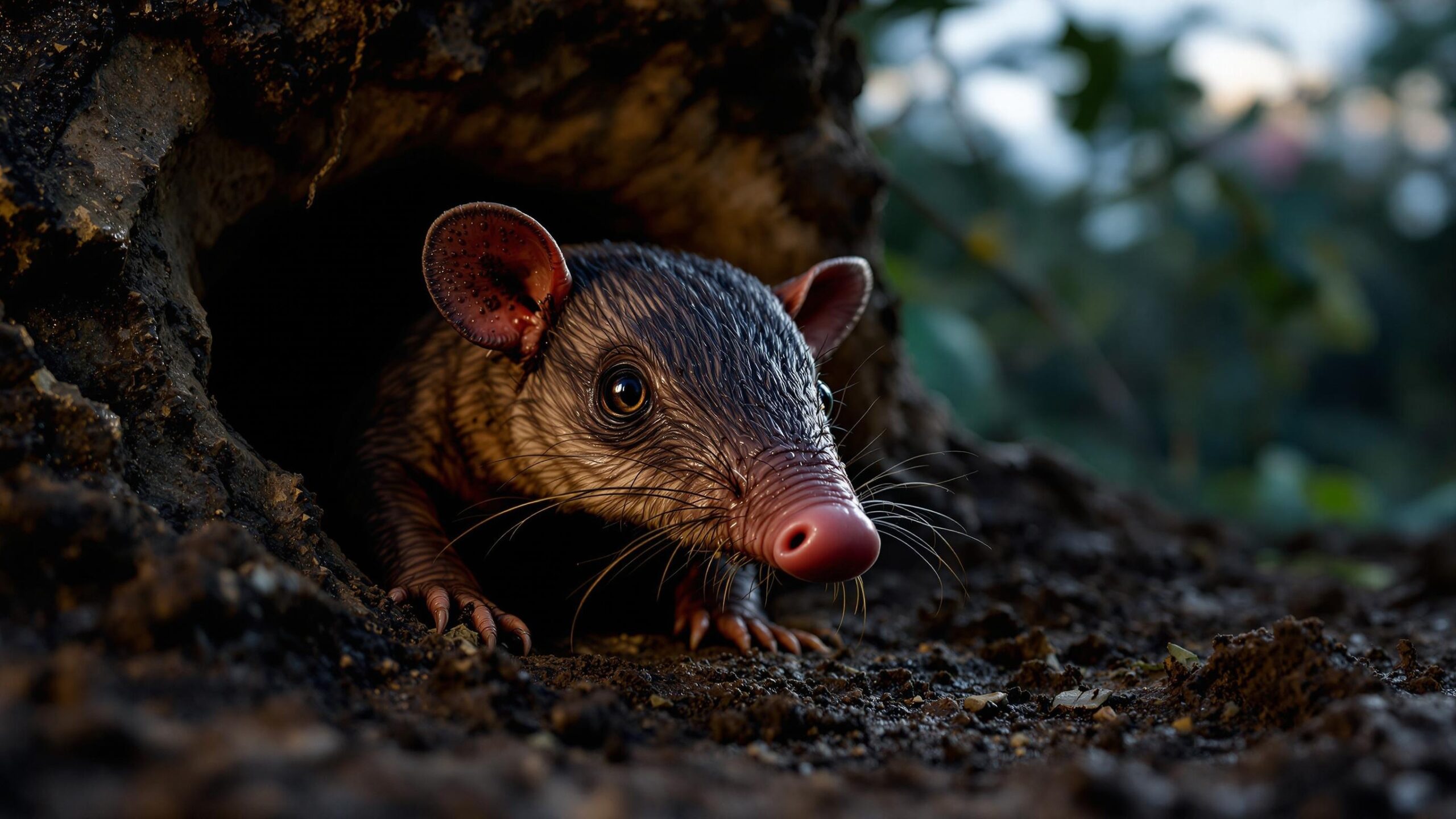
A: A solenodon image should be read for long snout, coarse fur, clawed feet, island forest floor context, low body posture, and nocturnal probing behavior.
A: Habitat loss, dogs, cats, mongooses, rats, hunting, road danger, slow reproduction, and limited island ranges shape the solenodon story.
A: Solenodons belong in this group because body structure, habitat use, and behavior help readers compare related animals without blending them together.
A: Solenodons are rare island insectivores whose future depends on forest protection, invasive predator control, public awareness, road-risk reduction, and careful island conservation.
Solenodons are best understood as real wild animals rather than just names in a broad animal category. Familiarity can make them seem simpler than they are, so this profile keeps the biology visible.
The focus here is recognition, habitat background, behavior, feeding, adult expectations, comparison with nearby pages, and responsible interpretation. Solenodons should be read as living animals, not as novelties, hazards, mascots, or quick labels.
What Are Solenodons?
Solenodons are primitive insectivorous mammals commonly associated with the family Solenodontidae. A useful profile connects the common name to body structure, habitat, movement, feeding, and the animal’s place inside the larger Small Mammals story.
Solenodons can be flattened by one famous trait, one conservation label, or one cropped photo. This profile keeps the animal tied to range, behavior, adult form, and real habitat.
How To Recognize Them
To identify solenodons, look for Caribbean insectivores with long flexible snouts, coarse fur, small eyes, scaly tails, clawed feet, and forest-floor nighttime behavior. That pattern is stronger than color alone because light, water, snow, wet fur, age, stress, and camera angle can all shift the first impression.
A solenodon image should be read for long snout, coarse fur, clawed feet, island forest floor context, low body posture, and nocturnal probing behavior. The best reading habit is to connect the animal and the setting rather than treating the background as decoration.
Native Range And Habitat
Solenodons survive on Caribbean islands, especially Hispaniola and Cuba depending on species, with populations shaped by forest cover, limestone terrain, introduced predators, and human pressure. Range matters because animals are tied closely to climate, shelter, food, breeding sites, movement corridors, and seasonal limits.
They use forests, scrub, caves, rocky ground, leaf litter, hollow logs, plantations, and sheltered island habitats where invertebrate prey and daytime refuge are available. Habitat explains why the animal moves, hides, feeds, rests, dens, dives, or migrates in a particular way.
Body Design And Movement
The long flexible snout, small eyes, coarse fur, sturdy body, scaly tail, clawed feet, and venom-associated lower teeth create a distinctive profile unlike rodents. Body design affects feeding, swimming, walking, insulation, defense, prey capture, resting, and how the animal uses space.
Solenodons shuffle and probe at night through leaf litter, logs, and soil, using the snout to investigate prey while moving carefully through cover. Movement is often one of the most honest clues because it shows the daily life behind the label.
Feeding Style
Solenodons eat insects, worms, larvae, spiders, small vertebrates, fruit, and other foods, using smell, digging, and venomous saliva to subdue some prey. Diet is strongest when explained as a pattern rather than a short food list.
Feeding connects head shape, teeth or paws, senses, prey availability, season, habitat, and body size. That is why the food story should stay connected to the whole animal.
Behavior And Daily Rhythm
They are nocturnal island mammals shaped by burrow or den shelter, slow reproduction, scent, snout probing, low predator defenses, and vulnerability to introduced animals. Those behaviors change with age, weather, water conditions, prey movement, breeding timing, disturbance, and seasonal pressure.
A careful profile explains what the animal is trying to accomplish instead of flattening it into one word such as cute, dangerous, rare, common, or strange.
Small Mammals Context
Solenodons belong on this page because their body plan and daily life help readers compare nearby animals without blending them together.
They differ through venomous bite adaptations, long flexible snout, Caribbean island range, ancient lineage, and a body plan that is not a rodent or marsupial. That comparison is useful because many related animals share surface similarities while living different lives.
Responsible Interpretation
Responsible interpretation means giving the animal space, respecting habitat, avoiding feeding, following local wildlife rules, and treating defensive or resting behavior as meaningful.
This page is informational rather than a handling or care guide. A reader should understand the wild animal before thinking about any close encounter.
Life Cycle And Growth
Young animals can differ from adults in size, color, diet, shelter use, predator risk, and behavior. That makes life stage an important part of identification.
A strong profile connects young, adults, breeding behavior, and seasonal survival instead of treating the animal as one frozen image.
Ecological Role
Solenodons connect prey, predators, shelter, shorelines, ice, kelp, wetlands, coasts, and seasonal movement in ways that are easy to miss from a simple portrait.
Their ecological role may include predation, grazing effects, prey regulation, nutrient movement, shelter use, or influence on food webs.
Human Relationship
People encounter these animals through coasts, rivers, protected areas, tourism, fisheries, roads, climate stories, restoration projects, and field guides.
A strong public page keeps curiosity and caution in the same frame. It helps readers appreciate the animal without forcing a close interaction or repeating myths.
Conservation And Habitat Pressure
Habitat loss, dogs, cats, mongooses, rats, hunting, road danger, slow reproduction, and limited island ranges shape the solenodon story. The exact conservation picture changes by species, region, and habitat condition.
Useful conservation writing avoids vague alarm. It explains which pressures actually affect the animal and why habitat quality matters as much as the animal’s name.
Common Misunderstandings
The main misunderstanding is that one trait or reputation explains the whole animal.
Solenodons need comparison through body shape, movement, habitat, diet, adult size, and real-world behavior. That approach makes the page more accurate and more useful.
Similar Small Mammals
Solenodons are compared with shrews, tenrecs, hedgehogs, opossums, rodents, and other small insectivorous mammals. Comparisons help because many animals share posture, body shape, water use, fur, flippers, paws, or habitat edges.
They differ through venomous bite adaptations, long flexible snout, Caribbean island range, ancient lineage, and a body plan that is not a rodent or marsupial. A useful comparison starts with structure and behavior before it talks about color.
How To Read Images
A solenodon image should be read for long snout, coarse fur, clawed feet, island forest floor context, low body posture, and nocturnal probing behavior. A photo can hide scale, movement, and behavior, so readers need to know what to notice.
The best image habit is to ask what the head, eyes, body outline, posture, waterline, fur, paws, or surrounding habitat are saying about the animal.
Why Solenodons Matter
Solenodons matter because they turn habitats into visible natural history. They show how form, behavior, and place fit together.
Solenodons are rare island insectivores whose future depends on forest protection, invasive predator control, public awareness, road-risk reduction, and careful island conservation. That takeaway works only when backed by habitat, feeding, movement, life stage, conservation pressure, and comparison.
Texture, Head Shape, And Posture
The useful clues are not just color. Head shape, eye position, fur or scale texture, body width, tail position, paw or flipper shape, and resting posture all work together.
For solenodons, those clues keep the page specific and prevent nearby animals from blurring together.
Habitat And Daily Choices
Habitat shapes daily choices: where to move, when to rest, what to eat, where to breed, how to avoid danger, and where to retreat.
For solenodons, surrounding water, ice, shorelines, rocks, kelp, banks, dens, wetlands, or human edges are part of the identification story.
Safety And Observation
Observation should be calm and distant. Feeding, crowding, blocking movement, or forcing a reaction can distort behavior and create needless risk.
For solenodons, a careful observer watches movement, resting, feeding, shelter use, social spacing, and retreat behavior instead of staging a closer look.
Adult Size And Scale
Public images often show convenient angles or young individuals, and that can distort the reader’s sense of the animal.
Adult size changes the meaning of feeding, predators, shelter, human interaction, breeding, territory, and comparison with nearby pages.
Color, Pattern, And Identification
Color is useful, but it is rarely enough. Light, water, snow, wet fur, age, stress, sex, and camera settings can change the first impression.
That is why solenodons need structure-based identification: body shape, head, surface texture, movement, adult size, and habitat.
Seasonal Or Environmental Rhythm
Wild animals live inside rhythms that photographs rarely explain: heat, cold, rain, drought, sea ice, tides, breeding seasons, prey movement, and water-level changes.
Those rhythms matter for solenodons because the animal’s body and behavior evolved around changing conditions rather than around a static portrait.
Reader Comparison Checklist
A useful comparison starts with five checks: body outline, head shape, surface texture, movement style, and habitat.
For solenodons, the checklist shows why one animal belongs here while a similar-looking neighbor may belong on a different parent page or use a different daily routine.
Habitat Clues In Practice
Habitat clues should be practical rather than decorative. A reader should ask whether the animal is using ice, open water, rocky coast, kelp, riverbank, den, beach, wetland, or human edge.
For solenodons, that habit turns a photograph into evidence and explains why the body moves, hides, hunts, dives, floats, or rests in a particular way.
Small Details Worth Slowing Down For
Small details often carry the best identification value. A paw, whisker pad, ear size, snout edge, tail shape, fur texture, posture, or shoreline position can say more than the first broad impression.
For solenodons, slowing down protects accuracy because the most obvious common-name clue is not always the most reliable clue.
What Good Photos Should Show
A strong photo of solenodons shows the full body, head shape, surface texture, posture, and enough surrounding habitat to explain the animal’s choices.
A useful image pair gives both recognition detail and a sense of behavior, habitat, or movement level. Missing body images are better left empty than filled with unrelated category media.
The Practical Reading Habit
The practical habit is to ask three questions: what is the animal, where does it normally live, and what does its body help it do?
For solenodons, that turns a familiar or intimidating animal into usable natural history.
Identification Summary
To identify solenodons, look for Caribbean insectivores with long flexible snouts, coarse fur, small eyes, scaly tails, clawed feet, and forest-floor nighttime behavior.
The quick pattern is body plus behavior. Once readers can name body shape, feeding style, shelter use, habitat needs, and adult expectations, the animal becomes easier to understand and compare.
Simple Takeaway
Solenodons are rare island insectivores whose future depends on forest protection, invasive predator control, public awareness, road-risk reduction, and careful island conservation.
The useful profile does not stop at the name. It connects the animal to habitat, movement, food, life stage, conservation pressure, and comparison with nearby pages.
Animal Product Reviews
Dive into Animal Streets’ Animal Product Reviews — your guide to the best gear, gifts, books, and gadgets inspired by the animal kingdom. From land-roaming lions to ocean-gliding whales, from household pets to prehistoric giants, we explore top-rated products for enthusiasts, educators, and animal lovers alike. Whether you’re shopping for toys, decor, field gear, or fun collectibles, we’ve sniffed out the best so you can discover it all in one wild place!