

A Look at the Golden Coat
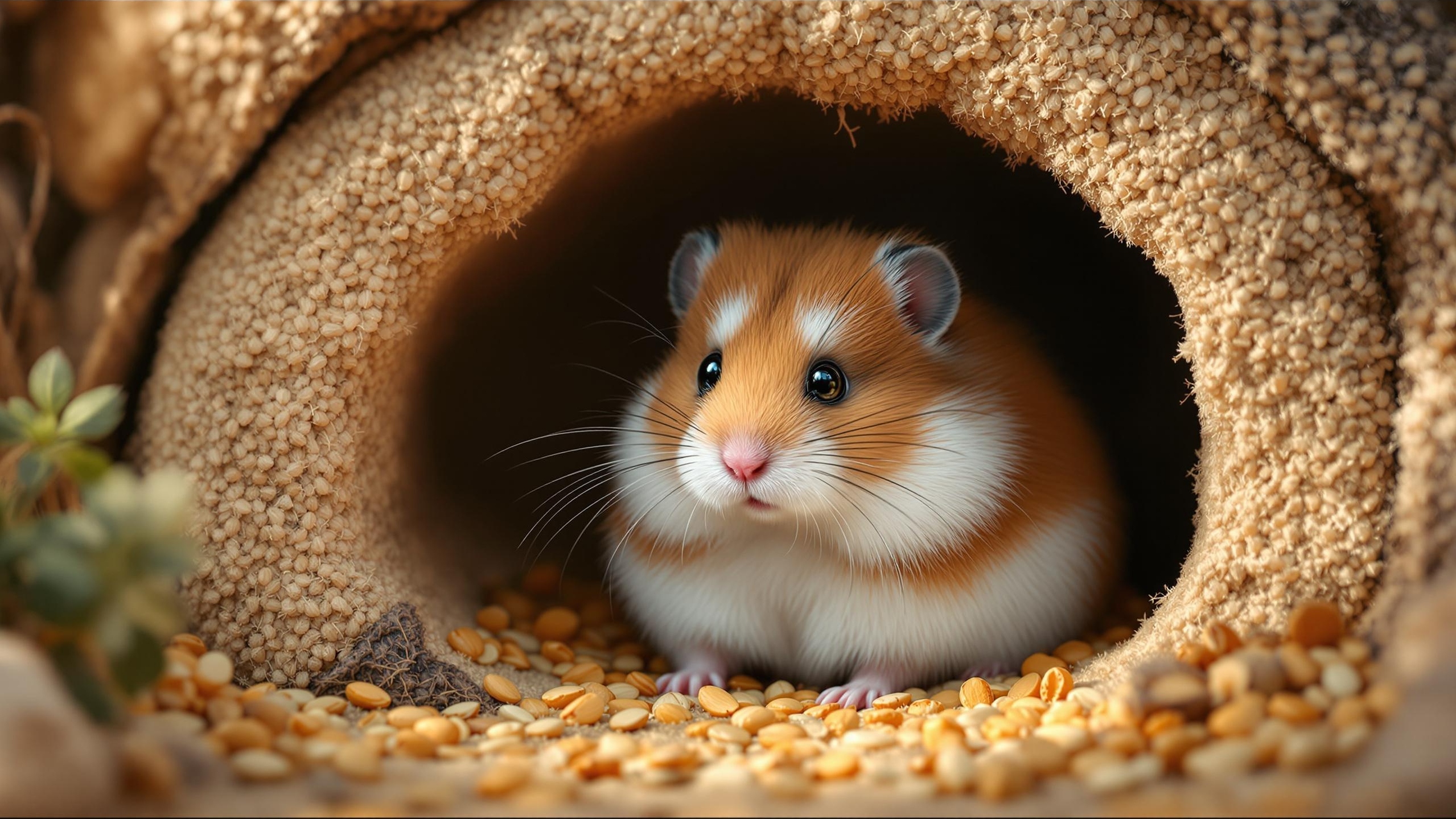
The Syrian Hamster is easily recognized by its plump, rounded body, large black eyes, and adorably twitching whiskers. Wild individuals are typically golden-brown with white underbellies, a coloration that blends well with sandy soil and scrub vegetation. This natural coat has earned them the nickname “Golden Hamster.” However, domestication has led to a dazzling variety of coat colors, fur lengths, and patterns. From cinnamon and sable to cream, black, and even tortoiseshell, the domestic Syrian Hamster can be found in an impressive array of hues. Long-haired varieties are often called “Teddy Bear Hamsters” due to their plush, fluffy appearance. Adults typically measure 5 to 7 inches in length and weigh between 100 and 200 grams. Females tend to be slightly larger than males, and both sexes display impressive cheek pouches, which they use to store food and bedding material for transport.
Solitary by Nature
Despite their cuddly reputation, Syrian Hamsters are fiercely solitary creatures. In the wild, each hamster occupies a territory and defends it vigorously against intruders—including others of its own kind. This natural behavior persists in captivity, making it essential that Syrian Hamsters be housed individually once they are weaned. Attempts to cohabitate adult Syrian Hamsters often lead to stress, aggression, and sometimes lethal conflict. This solitary disposition is not a sign of antisocial behavior but an evolutionary adaptation. In an environment where resources like food and water are scarce, territoriality ensures that each hamster has access to what it needs without competition. This trait has been preserved through generations, even in domestic settings where food is abundant.
Nightlife and Behavior
As nocturnal animals, Syrian Hamsters are most active during the night. In the wild, they emerge from their burrows shortly after sunset to forage for seeds, grains, fruits, and occasionally insects. Their cheek pouches—stretchable pockets that extend from the corners of their mouths to their shoulders—allow them to gather and carry food back to their burrows for later consumption. In captivity, this nighttime activity often results in a flurry of wheel running, tunnel digging, and cage rearranging while their human caretakers sleep. Syrian Hamsters are curious and surprisingly intelligent, frequently engaging with toys, exploring new environments, and learning routines. They also possess a keen sense of smell and hearing, though their vision is relatively poor. Communication is primarily nonverbal and includes squeaks, body language, and scent marking. They may also exhibit unique behaviors such as “freezing” in response to sudden noise or movement—a defensive mechanism that mimics playing dead.

Reproduction and the Short Life Cycle
The Syrian Hamster has a rapid reproductive cycle, which has contributed to its success both in the wild and in captivity. Females come into estrus every four days and can produce litters of 6 to 12 pups after a gestation period of just 16 days—one of the shortest among mammals. Newborn pups are born hairless, blind, and utterly dependent on their mother. Within a week, they begin to develop fur, and by two weeks, their eyes open. By four weeks, they are weaned and ready to explore the world independently. Because of their fast maturity and prolific breeding, Syrian Hamsters became valuable research animals in the mid-20th century, particularly in genetics and disease modeling. However, their fast-paced life comes at a cost. The average lifespan of a Syrian Hamster ranges from 2 to 3 years, with some individuals reaching four years under exceptional care. Their short lifespan makes every moment of hamster ownership a fleeting, precious experience.
A Global Pet Sensation
Since their introduction into the pet trade in the mid-20th century, Syrian Hamsters have become one of the most popular small mammals kept as pets around the world. Their compact size, low maintenance, and endearing behaviors make them especially appealing to children and first-time pet owners. Yet, owning a Syrian Hamster is not without its responsibilities. They require a spacious, well-ventilated enclosure with room to burrow, exercise, and explore. A solid-surface exercise wheel is essential for physical health, as is a diet rich in grains, seeds, and occasional fresh produce. Clean water, hiding places, and chew toys for dental health also play a vital role in their well-being. Despite their solitary nature, Syrian Hamsters often form bonds with their human caregivers. When handled gently and consistently from a young age, they can become tame and even affectionate, climbing onto hands and responding to familiar voices.
The Science of Syrian Hamsters
Beyond their role as pets, Syrian Hamsters have also served science in remarkable ways. Their manageable size, docile temperament, and genetic uniformity made them ideal subjects in biomedical research. In particular, they have been used in studies related to infectious diseases, cancer, circadian rhythms, and even cholesterol metabolism. Perhaps most notably, Syrian Hamsters were used extensively in COVID-19 research. Due to similarities in how the virus affects their respiratory systems, they helped researchers understand transmission and test potential treatments and vaccines. While not without controversy, their contributions to medical science have been significant.
Conservation Status and Wild Populations
The wild Syrian Hamster population, while lesser-known than its domestic counterpart, faces challenges. Urban expansion, intensive agriculture, and habitat degradation in Syria and Turkey have reduced their natural range. Moreover, due to the species’ elusive, burrow-dwelling habits, monitoring wild populations has proven difficult. The International Union for Conservation of Nature (IUCN) currently lists the Syrian Hamster as “Vulnerable” in the wild. While not on the brink of extinction, their numbers are declining, and conservationists are beginning to advocate for habitat protection and population surveys. However, it’s important to note that the domestic population of Syrian Hamsters is thriving. Bred widely around the world, they are in no danger of disappearing from the pet landscape. The conservation concern lies primarily with the preservation of genetic diversity and the survival of wild populations in their native range.
Cultural Impact and Enduring Popularity
The Syrian Hamster’s appeal goes beyond biology and into the realm of culture. They have been featured in children’s books, cartoons, advertisements, and internet memes. Their plump bodies, expressive faces, and busy antics have made them a symbol of cuteness and charm. In schools, they are often a child’s first introduction to animal care, responsibility, and the concept of life cycles. In therapy settings, their calm and predictable behavior provides comfort and companionship. Social media has only amplified their popularity, with countless videos of hamsters eating tiny meals or navigating intricate obstacle courses delighting millions of viewers. What sets the Syrian Hamster apart is not just its looks or its manageable size, but its combination of intelligence, independence, and personality. They are both mysterious and familiar, wild and tame, ancient and modern.
Caring for a Syrian Hamster: A Lasting Bond
For those considering a Syrian Hamster as a pet, understanding their needs and behavior is crucial to creating a fulfilling relationship. Despite their small stature, they thrive on stimulation and structure. Enclosures should mimic their natural instincts—encouraging digging, nesting, and climbing. Regular cleaning, healthy diets, and nightly play sessions outside the cage all contribute to their physical and emotional health. While they may not demand the attention of a dog or cat, Syrian Hamsters are deeply observant and capable of recognizing their caregivers. The ritual of evening feedings, the gentle scoop of a trusted hand, and the familiar sounds of home all become part of their world.
Small But Mighty
The Syrian Hamster is far more than just a child’s pet or a lab specimen. It is a master of survival, an ambassador of the desert, and a companion full of heart. From the burrows of Syria to the bedrooms of families worldwide, this tiny mammal has traveled a long road—carrying with it stories of adaptation, resilience, and quiet joy. To know a Syrian Hamster is to appreciate the delicate balance of nature and nurture, of instinct and domestication. Their lives may be short, but the lessons they offer—about independence, caretaking, and life’s fleeting sweetness—last far longer.